


In 2026, the cost of loyalty to a declining manufacturer is often higher than the risk of moving your production. With US tariffs on Chinese imports hitting a blended rate of 33% and new environmental codes adding complexity to the factory floor, you can't afford the quality fade or hidden middleman markups that erode your margins. Knowing exactly when to switch suppliers in China is no longer just an operational choice; it's a defensive necessity for your brand's financial health.
You've likely felt the frustration of dwindling communication or the anxiety of your IP being vulnerable during a transition. It's a common fear that keeps many businesses tethered to suboptimal partners who no longer serve their growth. This guide provides a professional framework to help you outgrow your current manufacturer without sacrificing your tooling assets or production timeline. We'll examine the critical indicators that signal it's time for a change and the strategic steps required to secure a lower unit cost while regaining total control over your supply chain.
• Identify the specific performance thresholds and financial triggers that dictate exactly when to switch suppliers in China to protect your brand's margins.
• Recognize the "hostage" risks associated with unmanaged exits and learn how to prevent retaliatory tactics like trademark squatting or tooling theft.
• Compare the strategic advantages of a phased transition versus a clean break to maintain production continuity and quality standards during the handover.
• Implement a professional audit of your physical tooling and IP assets to ensure a secure, risk-free transfer to your new manufacturing partner.
• Move beyond transactional middleman models by adopting a factory-direct partnership that leverages on-the-ground oversight for maximum financial optimization.
Deciding when to switch suppliers in China often starts with a subtle intuition that your partner is no longer aligned with your growth. In the 2026 manufacturing landscape, where US blended tariffs have reached approximately 33%, the margin for error has vanished. Loyalty to a factory that fails to adapt to these pressures isn't a virtue; it's a financial liability. You need to recognize the specific triggers that signal your current manufacturer is hindering your ability to compete.
Quality fade is rarely a sudden collapse of standards. It's usually a "silent" cost-cutting exercise where a factory replaces specified materials with cheaper alternatives to offset their own rising costs. With China's monthly minimum wage in Shanghai hitting RMB 2,740 as of June 2026, many factories are under intense pressure to maintain profitability. If you've noticed a persistent drift in tolerances or finish despite repeated corrective action plans, the factory has likely prioritized their bottom line over your brand's reputation.
A refusal to host on-site inspections is a non-negotiable red flag. Transparency is the bedrock of modern supply chain management principles, and any manufacturer obscuring their floor operations is likely hiding unauthorized sub-contracting. This lack of oversight becomes dangerous with the new Ecological and Environmental Code taking effect on August 15, 2026. If your supplier isn't compliant with these unified standards, your brand faces significant regulatory and ethical risks that can lead to shipment seizures or public relations crises.
The "Middleman Markup" is perhaps the most common reason to reconsider your procurement strategy. Many businesses discover they're paying 20% to 30% above factory-direct rates because they're insulated from the source by layers of unvetted intermediaries. These obscured commissions drain your capital without adding a single cent of value to the product. You can benchmark your current expenditures against these savings examples to see the measurable impact of moving to a factory-direct model.
Stagnation is another critical indicator. If your supplier refuses to optimize tooling or resists your product development requests, they've become a bottleneck. A partner who won't invest in the efficiency of your production is essentially telling you they aren't interested in your long-term scaling. Calculating the "Cost of Inaction" is vital here; the money lost to inefficient production and high unit costs often far exceeds the one-time expense of a strategic transition. When your current manufacturer stops being a partner and starts being a hurdle, it's time to secure your assets and move forward.
This principle of proactive management and professional advisory extends beyond production; for instance, in the recruitment sector, firms often turn to Staffing Brokerage when they need to navigate the complexities of buying or selling staffing firms to ensure a smooth and profitable corporate transition.
Identifying when to switch suppliers in China is only half the battle. The actual execution of that exit carries significant operational risks that can jeopardize your entire product line. Many businesses treat a supplier transition like a standard contract termination, but in the Chinese manufacturing ecosystem, an unmanaged exit often triggers retaliatory behavior. If a supplier feels their revenue stream is threatened, they may resort to holding your assets hostage or becoming your direct competitor. Tipping your hand before a replacement is fully vetted and ready to produce is a strategic error that leaves your supply chain vulnerable to sabotage.
A common mistake is assuming that a Western-style contract or a basic NNN agreement provides total protection. Without on-the-ground enforcement, these documents are often ignored during a contentious split. Trademark squatting is a particularly effective retaliatory tactic. If you haven't registered your brand within China's "first-to-file" system, an ex-supplier can register it themselves and legally block your goods from leaving Chinese ports. Registering your trademark in China is a defensive shield that prevents disgruntled manufacturers from seizing your brand identity to block your future exports. You must secure these rights months before you even hint at a move. Failing to do so allows a disgruntled partner to hold your brand's international growth for ransom.
The distinction between paying for tooling and legally owning it is a frequent point of failure. In many cases, factories claim that the "setup fee" you paid didn't cover the full cost of the mold, or that the design belongs to them because they "optimized" it. This leads to the "hostage" scenario where your production dies because the factory refuses to release the physical molds. You can't audit your tooling status effectively from a desk in the US or Europe. It requires a physical presence to verify the condition and location of the assets. Beyond the physical theft of molds, there's the risk of unauthorized production. An ex-supplier who already has your designs, molds, and material sources can easily launch a "ghost" version of your product under a different name. Understanding the strategic indicators for moving production involves more than just looking at costs; it requires a comprehensive risk assessment of your current IP exposure. If you're concerned about your current asset security, it's prudent to discuss a protective audit before taking any visible steps toward a transition.
Once you've secured your IP and audited your tooling, the next strategic decision is the architecture of the move itself. Determining when to switch suppliers in China requires a choice between a "Clean Break" and a "Phased Shift." A clean break is most effective for non-critical components or simple SKUs where the risk of production delay is minimal. It allows you to pivot quickly, cutting ties and moving all production to a new partner in one cycle. However, for high-volume or complex manufacturing, the phased shift is the professional standard. This model utilizes a period of dual-supply where both your outgoing and incoming manufacturers produce goods simultaneously, ensuring that any unforeseen issues at the new facility don't cause a stock-out or market absence.
The goal is to ensure your new partner offers factory-direct pricing from day one. This is essential to offset the macro-economic pressures of 2026, such as the 33% blended US tariff and rising labor costs in industrial hubs. By eliminating the middleman layers that likely plagued your previous relationship, you regain control over your margins and production transparency. This transition isn't just a change of address; it's a financial optimization of your entire supply chain.
In 2026, relying on Alibaba reviews or trade show brochures is insufficient for high-volume enterprise sourcing. You need a 5-step vetting process that includes a financial audit, capacity verification, and a strict ESG compliance check against the new Ecological and Environmental Code. A professional supplier vetting framework ensures the factory has the technical capability to handle your specific tooling and the financial stability to survive market volatility. We verify the factory's actual ownership and sub-supplier network to ensure you aren't simply moving from one middleman to another.
Before you initiate the switch, you must build a "safety stock" of finished goods. This buffer protects your brand if the outgoing supplier attempts to sabotage the final orders or if the new factory faces a longer-than-expected learning curve. We recommend a "shadow production" run where the new factory produces a small batch using your verified molds. This allows you to set clear KPIs for the first 90 days, focusing on:
• Dimensional accuracy and material consistency.
• Lead time reliability compared to the previous partner.
• Communication responsiveness and transparency regarding material origins.
By validating performance during this overlap, you eliminate the "guesswork" that often leads to quality fade during a transition.
Execution is the point where strategy meets reality. Once you've determined when to switch suppliers in China, the transition must be managed with surgical precision to prevent production sabotage or asset seizure. A successful exit isn't a loud confrontation; it's a series of calculated moves designed to protect your interests while you migrate to a more viable partner. This process requires a strict sequence of actions that prioritize physical security and legal clarity over speed.
Your brand must be registered in China before you initiate any move. This prevents the factory from legally blocking your exports as a retaliatory measure.
We conduct a physical audit to verify the location and condition of your molds. This ensures the assets you're moving are functional and complete before they leave the premises.
Your agreement with the new factory must ensure 100% transparency. We negotiate factory-direct pricing to eliminate the obscured costs typical of unmanaged procurement models.
Timing the extraction during scheduled downtime minimizes the risk of interference. For example, the period leading up to Chinese New Year on February 17, 2026, provides a natural window for asset relocation.
The first batch from the new facility requires intensive, on-site inspection to validate that the quality standards match your specifications exactly.
Remote management is the primary reason supplier transitions fail. Managing a physical handover of heavy tooling and raw materials cannot be done effectively via email or video calls. You need a team that's physically present on the factory floor to oversee the packing and transport of your assets. Our Hong Kong-based office functions as a strategic bridge. It allows Western leadership to maintain high-level control while our local experts handle the granular complexities of the China factory environment. This proximity ensures a level of accountability that digital platforms simply cannot provide.
Transferring production involves more than just moving molds. You must coordinate the transfer of existing raw material stocks and components to the new entity. This requires meticulous documentation and the updating of export licenses to ensure your goods aren't flagged at customs during the move. We manage this logistical handover to mitigate shipping delays, ensuring that your transition doesn't result in empty shelves. If you're ready to secure your assets and optimize your production, contact our procurement team for a confidential transition audit.
Scaling a brand in 2026 requires more than just better pricing; it requires a fundamental shift from transactional buying to a strategic partnership model. Determining when to switch suppliers in China is often the first step toward reclaiming your margins from the hidden fees of traditional intermediaries. When you move to a factory-direct model, the ROI is immediate and measurable. By eliminating the typical 20% to 30% middleman markup, you create the capital necessary to reinvest in product development and market expansion. This financial optimization is essential in a landscape where US tariffs and rising labor costs have made lean operations a requirement for survival.
Buying Office Asia (BOA) acts as an integrated extension of your European team, providing the regional presence you need to maintain accountability. We don't operate as a third-party service; we function as your own dedicated procurement office on the ground. This relationship ensures 100% transparency throughout your supply chain, from material origins to final assembly. In an era of increased regulatory scrutiny and stricter environmental codes, having a partner who prioritizes your financial health and brand security is a significant competitive advantage.
A successful switch is merely the foundation of a long-term manufacturing strategy. Supplier management doesn't end once the first container leaves the port. It requires continuous development and on-site quality control to ensure that standards don't erode over time. Our team provides rigorous mass production oversight, catching potential defects before they become costly liabilities. This level of hands-on management prevents the quality fade that often occurs when a factory feels unmonitored. By maintaining a constant presence, we ensure your manufacturer remains a high-performing asset rather than a growing risk.
The synergy between our Helsinki leadership and Hong Kong operations provides a seamless communication channel for European businesses. You gain the steady confidence of an established expert who understands your quality expectations and the regional expertise needed to enforce them. We've documented cases where high-volume brands transformed their profitability by moving away from unmanaged sourcing and into our strategic framework. This shift allows you to focus on your brand's vision while we manage the technical complexities of the China market. If you're questioning when to switch suppliers in China, don't wait for a crisis to force your hand. Consult with our Asia Procurement Team today to plan a transition that secures your IP and optimizes your long-term production costs.
Navigating the complexities of the 2026 trade landscape requires a transition from reactive buying to proactive supply chain management. Identifying exactly when to switch suppliers in China is the first step toward reclaiming your margins and protecting your brand's integrity. By recognizing the early signs of quality fade and eliminating the obscured costs of intermediaries, you position your business for sustainable growth. A successful transition is built on the physical security of your assets and the rigorous vetting of new partners who offer total transparency. Don't let your brand's potential be limited by a manufacturer that has stopped evolving with you. Furthermore, as you optimize your business operations, applying similar strategic foresight to your personal investments is key, such as consulting annaoneill.com.au when evaluating property markets for 2026.
Our team provides a unique bridge between European leadership in Helsinki and hands-on execution in Hong Kong and Mainland China. We ensure you benefit from 100% transparency and factory-direct pricing while maintaining the elite oversight your brand deserves. This protective approach transforms your supply chain from a source of anxiety into a stable foundation for expansion. Secure your supply chain with a Dedicated Asia Procurement Team and move your production with the steady confidence of a seasoned insider. It's time to regain control of your manufacturing journey.
A full transition typically requires three to six months to execute safely. This timeline accounts for the initial vetting of alternatives and the production of gold samples. It also includes the critical period of building safety stock to prevent market absence during the handover. Rushing this process increases the risk of quality errors in the first batch from your new partner.
The most significant risk is supply chain sabotage or the seizure of your physical assets. Disgruntled manufacturers may hold molds hostage or register your trademarks in bad faith to block exports. Knowing exactly when to switch suppliers in China involves preparing for these contingencies well before the contract is terminated. A managed exit preserves your ability to fulfill orders without interruption.
They cannot legally keep your tooling if your contract specifies your ownership, but physical possession often dictates reality in China. Factories sometimes claim ownership of "optimized" designs or unpaid maintenance fees to justify retention. You must verify ownership terms and conduct a physical audit before announcing your departure to ensure your assets are movable and functional.
You should utilize an independent procurement team to conduct anonymous market research and factory audits. This allows you to vet potential partners without disclosing your brand identity to the broader market. Maintaining confidentiality is a key part of the strategy for when to switch suppliers in China, as it prevents your current manufacturer from discovering your intent and potentially slowing down your production.
An NNN agreement stands for Non-use, Non-disclosure, and Non-circumvention, and it is a fundamental requirement for protecting your IP. Unlike a standard Western NDA, a China-specific NNN is enforceable in local courts and prevents factories from using your designs to compete against you. You must sign this document before sharing any technical specifications with potential new manufacturers.
A dedicated procurement team is superior for transitions because they function as an integrated extension of your own business. Sourcing agents often operate on commissions from factories, which creates a conflict of interest. A professional team provides the on-the-ground oversight and transparency needed to manage a complex handover while prioritizing your long-term financial health.
Verification requires a physical on-site audit and a thorough review of the factory's Chinese business license. You should check the "Business Scope" section of the license to confirm they're authorized for manufacturing rather than just "Trading" or "Consulting." Real manufacturers will have their own production lines, specialized machinery, and a consistent workforce visible during a surprise inspection.
The primary costs include tooling relocation or duplication, sampling fees, and the capital required to build a safety stock buffer. You might also encounter one-time logistics expenses for moving raw materials between facilities. While these upfront costs exist, they're usually offset within the first year through factory-direct pricing and the elimination of middleman markups.

A supplier listing can open a door, but it can’t show whether a factory is right for your order. Choosing a ningbo sourcing agent means looking beyond access to local suppliers: you need clear oversight of supplier vetting, production follow-up, and quality checks. Without defined responsibilities,...

What if the supplier with the strongest online profile isn’t the factory best suited to your shoes? In footwear manufacturing in China, a directory listing can start your search, but it can’t confirm who will make your product, whether the factory can handle its construction and materials, or how cl...
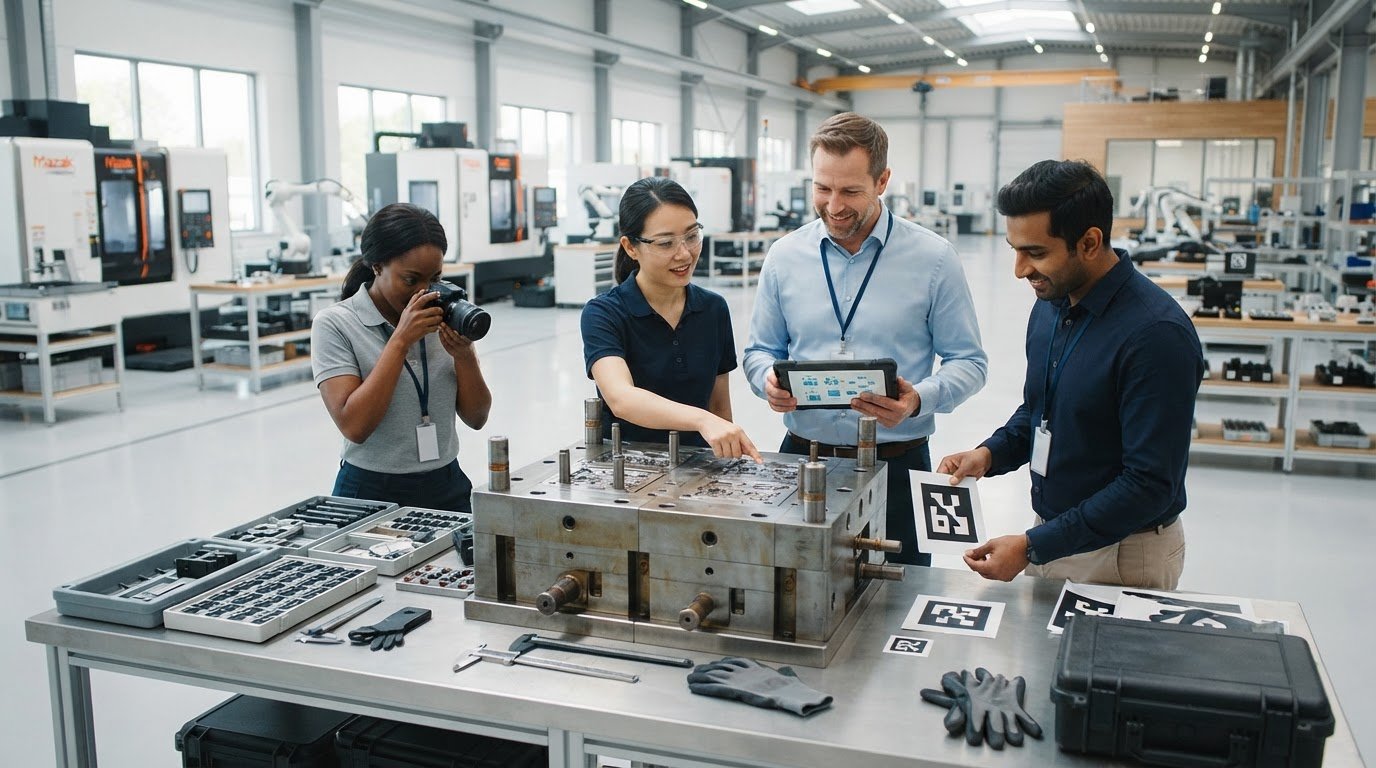
What if the mold you paid to develop couldn’t be released when you needed to change suppliers? Managing tooling and molds with a foreign factory means more than tracking where production equipment is stored. Payment alone may not establish clear ownership, access, or transfer rights. Without visibil...