

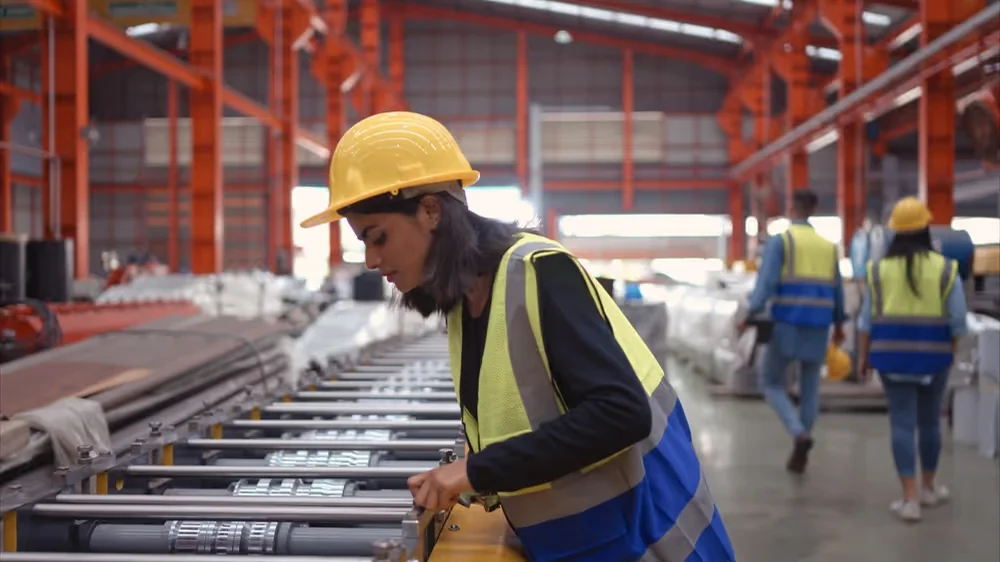
A supplier listing is a lead, not proof that a factory can deliver. If you’re wondering how to find suppliers not on Alibaba, the answer isn’t simply to switch platforms. You need a repeatable process to identify manufacturers, distinguish factories from trading companies, and check whether each supplier fits your requirements.
Looking beyond one marketplace can broaden your options and help you compare suppliers with different capabilities. Digital profiles rarely show the full picture of a supplier’s production processes, quality controls, or communication practices. Reduce that uncertainty by comparing candidates against the same requirements and verifying key details before committing to an order.
This guide covers practical discovery channels, from regional B2B directories and trade fairs to professional networks and local searches. You’ll learn how to assess and compare potential suppliers, use samples, audits, and inspections to build confidence, and connect supplier discovery with production follow-through. The goal is broader visibility without losing control of your sourcing decisions.
• To learn how to find suppliers not on Alibaba, broaden your search across trade fairs, industry associations, referrals, specialist directories, and regional networks.
• Match your search to the product’s specifications and manufacturing processes to find suppliers with relevant capabilities.
• Compare direct sourcing with local support by considering research workload, factory follow-up, visibility, and who owns each step.
• Use consistent criteria to assess company details, facilities, production processes, capacity, quality controls, and samples.
• Document sourcing decisions, specification revisions, responsibilities, and inspection findings as suppliers move toward production.
Expanding your search beyond Alibaba isn’t a verdict on the suppliers listed there. It’s a way to widen your options, reach manufacturers with specialized capabilities, and avoid relying on a single marketplace for your supplier pipeline. A broader search can help you compare regions and production approaches before committing to a manufacturing relationship.
Off-platform supplier discovery means finding and assessing manufacturers through channels beyond online marketplaces. A listing, wherever you find it, is a lead to investigate, not proof of factory ownership or production capability. Marketplace profiles make initial searches convenient, but comparable information may be harder to find elsewhere. Gather the same details from each candidate and establish whether their facilities, processes, and experience fit your requirements.
Instead of browsing standardized profiles, you build a prospect list through referrals, trade events, industry associations, business networks, and regional research. These routes can surface manufacturers with limited online presence, but they often require more groundwork. Before outreach, prepare a clear product brief that covers specifications, materials, expected order volumes, customization needs, and quality requirements. Without that baseline, supplier responses are difficult to compare.
A clear brief also keeps the search focused on the capabilities your product needs, rather than broad product categories. A product involving custom tooling, a specific process, or several components may require a different type of manufacturer than a standard item. Set your requirements first, then use them to guide conversations and assess whether a supplier can support the work.
A wider supplier pool is especially useful when your product is specialized, requires custom development, or involves high-volume manufacturing. It can also help if you want to compare production options across regions or identify a backup source. If you’re considering how to find suppliers not on Alibaba, start by defining the capability you need, not simply the product name. Specific requirements make referrals and regional searches more productive.
Look for relevant design, tooling, and sampling capabilities. Clarify how revisions will be handled and approved.
Evaluate whether the supplier’s stated capacity, quality processes, and communication can support ongoing orders.
Compare potential suppliers against the same specifications so differences in capability and fit are visible.
These decisions are part of broader supply chain management, where supplier selection connects to production planning, quality, and ongoing coordination. For sourcing in Asia, local research and factory-level follow-up can add visibility beyond digital discovery. Buying Office Asia’s Asia supplier network reflects that regional approach. The goal isn’t simply to find more names. It’s to build a shortlist of manufacturers whose capabilities and communication align with your production needs.
Build a discovery pipeline from several sources rather than relying on one directory. Trade fairs, industry associations, referrals, specialist directories, and regional business networks each provide a different route to potential manufacturers. Search by the work a supplier performs, not just the finished product category. A directory can help you identify leads, a trade event gives you a chance to discuss production requirements, and a referral may point you toward a manufacturer with relevant experience.
Industry associations can help you locate businesses active in a particular sector, while trade fairs let you meet suppliers and see products or materials firsthand. Ask professional contacts for introductions when they know a manufacturer’s work directly. A warm introduction offers useful context, but it doesn’t replace your own assessment of the company, facility, processes, and fit for your order.
Record the source of each lead so you can assess how it entered your pipeline and follow up consistently. For each referral, note:
• The introducer and their relationship to the supplier
• The relevant product category or manufacturing process
• The reason for the recommendation and any firsthand experience cited
• Your next action, its owner, and the follow-up status
Start with a concise technical brief. Specify materials, processes, product complexity, expected capacity, quality requirements, and any certifications relevant to the product or market. Use those criteria to search directories and regional networks. For example, if a design requires custom tooling or multiple production steps, search for those capabilities instead of relying on a broad category label. This helps distinguish a plausible manufacturing match from a business that only handles a related product.
Geography should narrow the search, not replace a capability assessment. First define what the product requires, including production processes, access to needed materials, and practical communication or follow-up needs. Asia-wide sourcing means researching suitable locations across the region, not assuming one country is right for every product. A location that suits one process may not be the best match for another.
For regional discovery in Asia, Buying Office Asia’s supplier network provides a starting point for understanding the company’s sourcing presence. Local research can connect initial supplier leads with factory-level follow-up as your search progresses.
Keep one supplier tracker from the first search onward. For each lead, record its source, location, claimed capabilities, evidence received, fit against your requirements, contact history, and next follow-up. Use the same fields for every prospect. This makes differences easier to see and prevents an impressive introduction or polished profile from outweighing evidence of capability. Buying Office Asia’s sourcing and procurement support connects regional discovery with supplier assessment.
Both approaches can lead to a manufacturing relationship, but they place different demands on your team. Direct outreach gives you control over whom you contact and how decisions are made. Your staff also take responsibility for research, communication, verification, and consistent follow-through. Sourcing support adds local capacity to parts of that workflow, but it doesn’t remove the need for clear requirements, evidence, and documented decisions.
Access: Direct research draws on your own networks and search efforts. Sourcing support can add regional supplier research and local connections.
Research workload: You manage lead generation and comparisons yourself. A sourcing team can coordinate research and procurement activities.
Local follow-up: You handle supplier communication and factory-side follow-through. On-the-ground support can help maintain communication and factory-level contact.
Visibility: You control information gathered directly, but need to organize it consistently. With support, agree how findings, negotiations, and decisions will be shared and recorded.
Process ownership: Direct sourcing keeps each task with your internal team. A sourcing partner can support connected steps while you retain decision-making authority over requirements and supplier selection.
Direct research can work well if your team has relevant language capability, local knowledge, and enough time to maintain regular supplier communication. It also suits buyers who want to own each interaction and have staff ready to compare evidence and coordinate decisions. Be clear about the work involved: discovering a supplier is only the first step. Your team remains responsible for validating claims and deciding how audits, sampling, quality checks, and production changes will be handled.
Keep each stage distinct. A promising introduction doesn’t establish factory capability, and an initial conversation isn’t a production plan. Before moving from a lead to an order, decide who will verify facilities, approve samples, confirm specifications, and monitor progress.
Local presence can help with supplier research, communication, and factory-level follow-up, particularly when distance or language creates friction. A dedicated team can connect supplier identification and vetting with factory audits, sampling support, and production oversight, reducing the burden of coordinating separate steps internally. Buying Office Asia’s sourcing and procurement services bring these activities into a coordinated process.
Choose the model based on your team’s actual capacity, not convenience alone. If internal ownership is strong, direct research may fit. If supplier follow-up and production oversight will stretch your team, local support can add continuity while keeping sourcing visibility central. Share your project needs with Buying Office Asia to discuss your sourcing requirements and the level of support they call for.
A credible supplier shortlist is built on evidence, not polished profiles or confident promises. Decide what your product requires, request information in a consistent format, and resolve important gaps before advancing a candidate. This gives you a fair basis for comparison and helps prevent assumptions from becoming production problems.
Check supplier claims against relevant records and factory-level evidence before relying on them. Ask each candidate for information that matches your product and order, rather than sending a generic checklist that may miss critical requirements.
Compare the supplier’s stated experience and production processes with your specifications. A manufacturer may make similar products but lack a process, material capability, or quality control relevant to your design. Request company and facility details, production-flow information, capacity relevant to your order, quality procedures, and compliance documents applicable to the product and target market. Check that names, addresses, and descriptions are consistent across the information provided.
Use this sequence to move from an initial lead to a shortlist:
Document specifications, materials, order needs, quality criteria, and relevant compliance requirements.
Gather consistent company, facility, process, capacity, quality, and compliance information from each candidate.
Compare the evidence against your requirements and note any mismatch or unanswered question.
Review a representative sample against agreed specifications before deciding on mass production.
Record the evidence reviewed, open issues, sample findings, and reasons for advancing or excluding a supplier.
Keep the same evaluation criteria across candidates. If an answer is unclear, record the gap and request clarification before proceeding. A missing document may be less important than a mismatch in a critical process, so prioritize issues by their impact on product requirements, quality, and production feasibility.
A sample lets you assess whether the proposed materials, construction, finish, and other agreed product details meet your requirements before moving to mass production. Document feedback and revisions so both sides work from the same approved reference. A sample is a checkpoint, not a substitute for monitoring production against the approved specifications.
A factory audit can give you a closer view of relevant operations, equipment, production processes, and quality controls. Set its scope around the product and the supplier claims you need to verify. Define inspection criteria before quality checks begin too, so findings can be assessed against clear acceptance requirements rather than subjective expectations.
Buying Office Asia’s supplier vetting and factory audit process connects supplier research with factory audits and sourcing follow-through. Use the evidence collected at each stage to make a documented shortlist decision, then carry approved requirements into sampling and production planning.
A supplier shortlist becomes valuable when you can carry its evidence into production. Treat the transition as a sequence of documented decisions: approve the sample, confirm final specifications, align responsibilities and production expectations, then monitor progress against that shared reference. This creates continuity between what you evaluated during sourcing and what the factory is asked to make.
Production schedules, sample approvals, and specification changes need coordinated follow-up. Keep one current record of approved drawings or specifications, sample feedback, revision dates, responsible contacts, and key decisions. If a detail changes, make the revision visible to everyone working from the production instructions. This reduces the risk of teams relying on different versions or treating an informal message as final approval.
On-site quality inspections can serve as production checkpoints, but they can assess performance only against clear requirements. Define the inspection scope and acceptance criteria in advance, then record findings and agreed corrective actions. Documented production checks give you clearer visibility into supplier performance and make follow-up decisions easier to trace.
Link records across checkpoints. For example, connect an inspection finding to the relevant specification, sample approval, production stage, and assigned follow-up. This helps you distinguish a one-time issue from a recurring gap and decide what action is appropriate. Keep responsibility clear: who reviews findings, who approves changes, and who confirms that agreed actions are complete?
Supplier management, procurement, production oversight, and logistics coordination are connected responsibilities. When they’re treated as isolated tasks, information can get lost between supplier selection and order execution. A coordinated team can carry requirements through supplier vetting, factory-direct negotiations, sampling, production monitoring, and quality checks, while keeping decisions and updates visible to your business.
Buying Office Asia’s sourcing and procurement operations are based in Asia, with a Hong Kong headquarters and a European leadership office in Helsinki. A dedicated team can provide regional supplier research and factory-level follow-through, linking early discovery with audits and production oversight. This support helps international buyers coordinate sourcing work while keeping requirements and decisions clear.
If you’re considering how to find suppliers not on Alibaba, plan beyond discovery. Decide how supplier evidence, approvals, production updates, and quality findings will move through your organization. That discipline helps preserve visibility as a candidate becomes a production partner. Discuss your sourcing project with Buying Office Asia to explore an approach built around your product requirements.
The next step isn’t to send more inquiries. It’s to make each conversation more useful. Before approaching manufacturers, turn your product requirements into a brief that separates non-negotiables from preferences. Include decisions that affect production, such as acceptable materials, key quality criteria, order expectations, and how proposed changes will be approved.
This gives potential suppliers a clear basis for responding and helps your team compare proposals on more than price or presentation. It also makes gaps easier to spot while there’s still time to refine the search. A thoughtful brief can turn how to find suppliers not on Alibaba from an open-ended hunt into a practical sourcing decision.
To connect supplier discovery with procurement and production follow-through, discuss your supplier search with Buying Office Asia. Bring your product requirements and priorities to start a sourcing conversation grounded in informed decisions. A stronger supplier relationship starts with a clear brief and a well-managed process.
Yes. You can find manufacturers through trade fairs, industry associations, referrals, regional business networks, and specialist directories. To learn how to find suppliers not on Alibaba, search using both your product category and the production processes it requires. A manufacturer may have limited online visibility, so direct introductions and targeted research can uncover leads that broad marketplace searches miss. Assess each candidate before treating it as a factory-direct option.
Compare the supplier’s registered company details with the facility and production information it provides. Ask which processes it performs itself, which are subcontracted, and what company name appears on quotations and commercial documents. A live video walkthrough focused on relevant work areas can help clarify the setup, though it isn’t a substitute for independent verification. Trading companies can still be useful, but you should know who will control production and quality.
Give the manufacturer enough detail to judge whether the project fits its capabilities. Include product drawings or reference images, materials, key dimensions, required processes, target quality criteria, expected order volume, and whether customization or tooling is involved. State which details are fixed and which are open to discussion. A clear inquiry helps suppliers respond to the same brief, making their capabilities, questions, and proposed approaches easier to compare.
Yes, trade fairs can help you meet manufacturers, inspect product examples, and discuss production requirements face to face. Make the visit more productive by identifying relevant exhibitors in advance and preparing a short technical brief. Take notes on each conversation, including the representative’s role, processes discussed, and promised follow-up. A booth conversation is an introduction, not verification, so carry useful leads into your normal assessment process after the event.
For a product with defined specifications, a sample is a practical way to evaluate materials, construction, finish, and functionality before mass production. Compare it against written requirements, not memory or a general impression. Record requested changes and approve a final reference sample before production instructions are finalized. A sample helps assess a specific version of the product, but it doesn’t establish how every unit in a production run will perform.
Match evidence to the processes your product actually needs. Review facility details, equipment or process information, relevant quality procedures, and records that support stated capacity. Ask the supplier to explain how the product would move through production and where work is subcontracted. A factory audit can provide an on-site view of relevant operations, while appropriately scoped inspections can check product quality at defined production stages.
Consider sourcing support if your team lacks the time, language capability, or regional presence to manage supplier research and follow-up consistently. Buying Office Asia works as an on-the-ground sourcing and procurement partner for international companies manufacturing in Asia, connecting supplier vetting with factory audits, negotiations, and production oversight. Your business still sets requirements and makes key decisions, while local support can help coordinate work across supplier and factory interactions.
A supplier update that isn’t tied to an owner, a decision, and a next action can create more uncertainty than it removes. If you’re figuring out how to improve communication with your supplier, the answer isn’t simply to send more messages. It’s to make each exchange clear, accountable, and useful f...

What can a showroom tell you about a supplier that a walk through the production floor cannot? Knowing how to prepare for a factory visit in Asia helps you look beyond polished presentations and assess whether the factory’s people, processes, and quality controls support the claims made during suppl...
The final cost of an import is shaped long before it reaches customs. If you wait until shipment to calculate duties and taxes, a budget based on the supplier’s price alone can quickly fall short. Managing import duties and taxes from Asia starts with decisions made during product planning, not at t...