

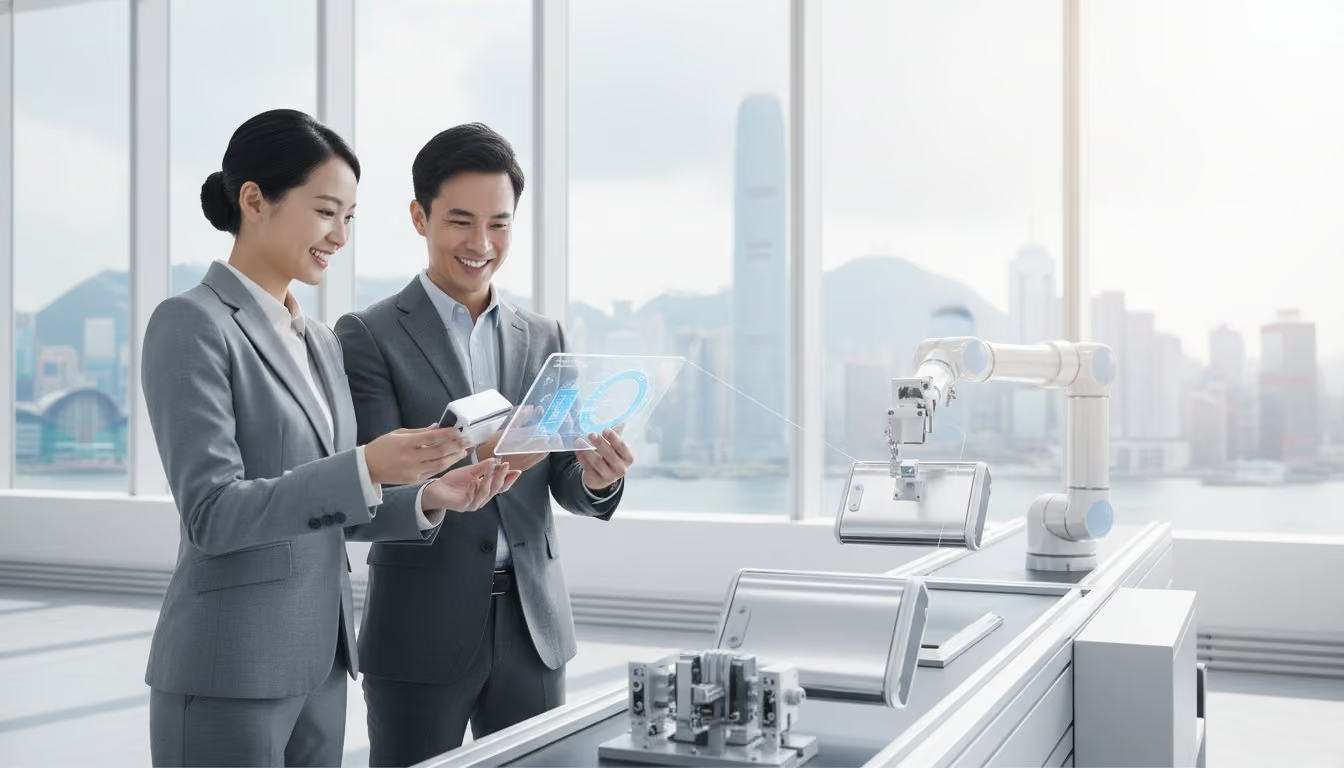
Choosing a ready-made product from an overseas supplier is often the fastest way to lose your intellectual property before you've even made your first sale. While the speed of Original Design Manufacturing is attractive, many wholesalers realize too late that they don't actually own the "unique" product they're selling. Understanding the true odm meaning goes beyond just buying a finished item; it's about navigating a strategic partnership where the factory holds the R&D cards. In 2024, industry reports indicated that 35% of sourcing delays originated from a lack of on-site oversight during the initial design handover. You're likely looking at the ODM model because you need to hit the market by Q1 2026 without the 18-month lead time required for custom engineering.
It's a valid strategy, but the anxiety surrounding hidden margins from opaque middlemen and inconsistent quality is a legitimate barrier to growth. You shouldn't have to leave money on the table just to get a product moving. This guide will show you how to master these complexities to accelerate your launch while protecting your profit margins and brand integrity. We'll break down the cost-benefit ratio, show you how to vet factories effectively through local presence, and secure a route to market that keeps your business simple, safe, and profitable.
• Grasp the fundamental odm meaning to leverage turnkey manufacturing solutions that allow you to scale your brand without the burden of internal R&D or IP ownership.
• Discover how to accelerate your speed-to-market by bypassing lengthy design phases and utilizing pre-vetted manufacturer catalogues for immediate production.
• Learn to distinguish between ODM and OEM models to optimize your capital allocation between high upfront R&D costs and long-term unit margins.
• Protect your bottom line by identifying "The Middleman Trap" and implementing on-site oversight to prevent quality fade in subsequent production runs.
• Gain the "Seasoned Insider" advantage with a strategic framework for transparent pricing and factory audits that keep your supply chain simple, safe, and profitable.
Understanding the odm meaning is the first step toward reclaiming your profit margins and securing a competitive edge. An Original Design Manufacturer (ODM) acts as a turnkey partner that handles everything from initial R&D to final assembly. The core distinction here is ownership. The manufacturer owns the designs and the Intellectual Property (IP), while you focus on marketing and distribution. This model eliminates opaque middlemen and allows you to source products that are already tested and certified for global markets.
By 2026, the odm meaning has expanded to include smart design capabilities. Modern factories now use AI-driven CAD tools to optimize material usage, which reduced waste by 22% in 2025 across major Southeast Asian hubs. This isn't just about convenience; it's about cost-efficiency and ESG compliance. When you partner with an ODM, you're tapping into a pre-existing infrastructure that has already solved the technical hurdles. You aren't just buying a product. You're buying speed, safety, and a proven path to profitability without the $100,000 investment often required for ground-up development.
Brands choose the ODM route for three primary reasons:
You can launch a product in weeks rather than the 12 to 18 months required for new designs.
You're selling a product that has already passed stress tests and regulatory hurdles.
You don't leave money on the table by funding expensive engineering teams.
Original Equipment Manufacturing (OEM) requires you to provide the technical specs, which often leads to production delays if your designs aren't factory-ready. Original Brand Manufacturing (OBM) occurs when the factory becomes your competitor by selling its own brand. An ODM is a "ready-to-rebrand" manufacturing partnership. For many wholesalers, choosing between OEM and ODM models is the most critical decision in their procurement lifecycle.
White labeling involves selling a generic product with zero modifications. It's a simple and safe choice for rapid entry into a new category. Private labeling allows for brand-specific tweaks to an existing factory design. A 2025 industry report indicated that 62% of mid-market brands now prefer private labeling to create a unique value proposition while keeping R&D costs low. Your decision depends on whether you need immediate market presence or long-term brand differentiation.
Understanding the odm meaning in a practical sense requires looking at the factory floor rather than a dictionary. The process begins when you select a base product from a manufacturer's existing catalogue. This "off-the-shelf" approach eliminates the 6 to 12 month development cycle required for new inventions. Instead of building a prototype from scratch, you're selecting a platform that's already survived the rigors of mass production. This shift moves your focus from engineering to market positioning and brand aesthetics.
The Design for Manufacturing (DFM) phase is significantly shorter in this model. In a traditional setup, DFM can take months as engineers adjust designs to suit factory machinery. With an ODM, the product is already optimized for the facility's specific assembly lines. This efficiency allows brands to move from selection to shipment in as little as 45 days, compared to the 180-day average for bespoke projects. To ensure the final product meets your brand standards, robust sampling support acts as the final gatekeeper, verifying that factory "golden samples" translate perfectly into bulk orders.
You must also recognize how the factory’s R&D investment impacts your bottom line. ODMs typically absorb the initial costs of tooling and engineering. You won't see a massive "Non-Recurring Engineering" (NRE) fee on your first invoice, but the factory recovers these costs through a slightly higher unit price. It's a strategic trade-off: you trade a higher per-unit margin for a lower barrier to entry and reduced capital risk. For many growing brands, this is the safest path to profitability.
Specialized ODMs in hubs like Shenzhen or Binh Duong lead their niches because they invest up to 15% of annual revenue back into product refinement. By using these "field-tested" designs, you avoid the 20% failure rate common in first-generation custom hardware. These engineering teams have already solved the thermal issues, material weaknesses, and assembly bottlenecks that plague new designs. You gain the benefit of an elite engineering department without the overhead of a full-time staff.
There is a specific tipping point where the odm meaning changes from a benefit to a limitation. This usually occurs when your order volume exceeds 50,000 units or when your brand identity requires unique features that a shared catalogue cannot provide. At this stage, many firms transition to a custom model. You can find a detailed breakdown of these differences in this guide to OEM vs ODM Manufacturing. Moving from a white-label startup to a bespoke brand requires careful negotiation regarding the transfer of modified IP. If you've added custom firmware or unique casing to an ODM base, ensure your contract defines who owns those specific modifications before you scale. If you are unsure how to structure these agreements, our team can help you secure your supply chain and protect your intellectual property.

Choosing between production models defines your capital risk and speed to market. While the odm meaning centers on utilizing existing designs, OEM focuses on ground-up creation. This distinction dictates your entire launch timeline. In 2024, data from global supply chain audits showed that ODM projects reached mass production in an average of 120 days. In contrast, OEM projects required 14 to 18 months of development. If you need to capture a seasonal trend, ODM wins the sprint every time.
The financial architecture of these models offers a clear trade-off. OEM demands high upfront R&D and tooling costs, often exceeding $50,000 for complex plastic injections. ODM shifts this burden to the manufacturer. You'll likely face unit costs that are 15% to 20% higher than OEM, but you preserve your cash flow for marketing and distribution. Flexibility also favors the ODM path. Minimum Order Quantities (MOQs) for original designs often start at 500 units, whereas custom OEM builds frequently require 5,000 units to justify the dedicated production line. For a comprehensive look at the alternative, read our guide on OEM manufacturing.
You must navigate the tooling ownership trap carefully. In most ODM agreements, the factory owns the physical moulds and the underlying blueprints. If you decide to move production, you can't take the "tools" with you. In ODM, you're essentially leasing a design rather than owning a patent. To protect your interests, ensure your contract explicitly secures your ownership of the brand name, logo, and any unique firmware you provide. We recommend registering your trademarks in the manufacturing country before signing any oem-odm contract manufacturing agreement.
The me-too risk is the primary threat to your margins. If you don't differentiate, your competitors can source the exact same product from the same catalog. While you can't change functional internals without significant costs, you can modify aesthetics. Successful brands use custom Pantone colors, high-grade finishes, and unique UI overlays to stand out. In 2025, 72% of top-performing Amazon brands using ODM models focused their budget on premium packaging and localized user manuals to create a "custom" feel. This strategy transforms a generic product into a proprietary brand experience without the multi-million dollar R&D price tag. Understanding the odm meaning in a strategic context allows you to scale fast while keeping your brand identity intact.
While the odm meaning suggests a streamlined path to market, the reality on the ground is often clouded by opacity. You aren't just buying a product; you're buying into a complex supply chain. If that chain lacks transparency, your margins will evaporate. Understanding the true odm meaning in 2026 involves recognizing that you're leveraging a factory's existing R&D, but that leverage comes with specific vulnerabilities. Many brand owners fall into the "Middleman Trap" where traditional sourcing agents hide 20% to 30% markups within the unit price. This practice stops you from seeing the true factory cost and prevents you from negotiating effectively when raw material prices fluctuate.
Quality fade is another persistent threat. It's a systemic risk where a factory slowly substitutes cheaper components after the first two successful batches. Common signs of this decline include:
• Substitution of high-grade plastics with recycled materials to cut costs.
• Reduction in the thickness of protective coatings or metal plating.
• Use of unbranded internal electronic components instead of specified parts.
By the third production run, the product quality often declines significantly. Without on-site oversight, you won't notice these changes until defective units reach your customers and trigger expensive returns. This often happens because of "factory-hopping," where a supplier moves your production to an unauthorized sub-contractor to increase their own profit without your knowledge.
Is it safe to source ODM products via Alibaba? It's a common question with a nuanced answer. Alibaba functions as a marketing directory, not a quality control department. Relying solely on platform ratings in 2026 is a gamble that leaves you exposed. Without a physical presence to verify the factory's claims, you're at the mercy of digital storefronts that may not even own the equipment they show in photos.
ODM contracts often contain dangerous loopholes. If you don't explicitly secure the rights to the modifications made to a base design, the factory can legally sell your "unique" version to your direct competitors. You must conduct thorough supplier vetting before signing any agreement. Remote sourcing frequently leads to unauthorized sub-contracting, leaving your intellectual property exposed in facilities you've never visited and cannot control.
The initial quote is rarely the final cost. You must calculate the Total Cost of Ownership (TCO), which includes the price of delays, shipping errors, and potential reputational damage. In 2026, ignoring compliance and ESG standards is a major business risk. A cheap ODM deal that bypasses environmental regulations can lead to customs seizures or long-term brand damage. True profitability requires a partner who acts as a shield against these hidden expenses.
Understanding the technical odm meaning is just the first step toward a successful product launch in 2026. The real challenge lies in the execution. Most brands lose 15% to 25% of their potential profit to opaque middlemen who add zero value to the design process. Buying Office Asia functions as your Seasoned Insider, providing the boots-on-the-ground oversight necessary to navigate the complexities of Asian manufacturing. By leveraging a dedicated Asia procurement team, you gain direct access to factory floors without the typical communication barriers or hidden markups. We don't just act as a bridge; we serve as a shield for your brand reputation.
Our process eliminates the traditional agent model, which often thrives on keeping you in the dark. Instead, we foster factory-direct relationships that are vital for long-term ODM profitability. This ensures that every dollar you invest goes toward product quality rather than unnecessary commissions. We manage the entire lifecycle of your project, from the initial design brief to the final container loading, ensuring your interests are protected at every stage.
Digital storefronts are often deceptive. Our Hong Kong-based team performs physical inspections of ODM production lines to ensure the factory you see online actually exists. We verify R&D capabilities in person, checking that the engineering team has the specific expertise to handle your 2026 product roadmap. This process unmasks trading companies that pose as manufacturers, a common risk that leads to a 30% increase in lead times. We validate ISO certifications and ESG compliance standards on-site, ensuring your partner meets global regulatory requirements before you sign a single contract. We look at the actual machinery, the worker conditions, and the quality control stations to ensure they match the high standards your brand demands.
Profitability in ODM depends on cost transparency. We negotiate "Open Book" pricing for our clients, exposing the raw material costs and labor components that traditional agents usually hide. This approach ensures you stop leaving money on the table. The BOA shield protects your brand from the 12% average defect rate often seen in unmanaged supply chains. We manage every communication touchpoint, preventing the production delays that can derail a seasonal launch. Our goal is to make your manufacturing journey simple, safe, and profitable. By removing the guesswork from the odm meaning, we allow you to focus on scaling your business while we handle the technical rigors of production.
Ready to secure your supply chain? Explore our OEM/ODM contract manufacturing solutions to see how we can optimize your 2026 production strategy.
Success in the 2026 manufacturing landscape requires more than just a basic grasp of odm meaning; it demands a shift from passive procurement to active, on-site management. You've seen how the ODM model accelerates market entry while presenting unique challenges like intellectual property risks and the hidden margin trap common with traditional agents. Protecting your brand's profitability means moving beyond remote emails and into a model of 100% transparency. Our European-managed team, based in our Hong Kong HQ, provides the physical presence necessary to conduct factory-direct negotiations and rigorous on-site quality control.
We've designed our services to act as a shield for brand owners. By eliminating opaque middlemen, we ensure your supply chain is simple, safe, and profitable. You don't have to navigate these complexities alone. Partner with a dedicated sourcing team that prioritizes your bottom line and provides the same level of oversight usually reserved for global corporations. Stop leaving money on the table; partner with a dedicated sourcing team for your ODM production. Your path to a more efficient and secure production cycle starts today.
The primary difference lies in who designs the product; in OEM you provide the blueprints, while in ODM the factory provides the pre-developed design. This distinction is central to the odm meaning because it determines your level of R&D investment. According to 2024 industry benchmarks, OEM projects require 40% more upfront capital for tooling and engineering compared to the ready-to-go ODM alternatives.
The factory typically retains the Intellectual Property (IP) rights for the core design and engineering in an ODM agreement. You own your brand, logo, and packaging, but the underlying technical specifications remain the factory's asset. To secure full ownership, you must negotiate a formal IP transfer, a step often overlooked by 65% of new importers who mistakenly rely on opaque middlemen.
ODM is generally 20% to 30% more cost-efficient than OEM because you eliminate the need for custom mold creation and extensive prototyping phases. You save on the high costs of initial R&D by leveraging the factory's existing technical stack and validated supply chains. This approach ensures your project remains profitable by reducing the hidden margins and high entry costs typically found in ground-up manufacturing.
You can typically launch an ODM product within 90 to 120 days, whereas OEM projects often exceed 12 months from concept to delivery. Since the factory has already validated the design and sourcing chain, you bypass the lengthy testing and certification phases. This speed to market allows you to capture trends before they fade, ensuring you don't leave money on the table during peak seasons.
You can customize ODM products with your logo, packaging, and specific colorways, though core structural changes are usually limited. Most Tier 1 factories in Asia allow for these white label adjustments to help you differentiate your brand in a crowded market. Understanding the odm meaning helps you realize that while you don't build the engine, you certainly choose the paint and the aesthetics.
The primary risks include quality fade during mass production and the unauthorized use of your branding by the factory for other clients. Data from 2023 supply chain audits shows that unmanaged factories may substitute components to save 5% on material costs without notice. You need on-site, local oversight to act as a shield against these production delays and the resulting reputational damage to your brand.
ODM and private labeling are two sides of the same coin; ODM describes the manufacturing model while private labeling is the retail branding strategy. You select a factory's existing design and apply your unique brand identity to the finished goods. This model is used by 78% of top-performing Amazon sellers to scale their catalogs rapidly without investing in heavy, in-house engineering teams or expensive design software.
You find a reliable partner by conducting rigorous on-site factory audits and verifying their ISO 9001 compliance and ESG certifications. Don't rely on digital directories that offer a false sense of security through unverified ratings. Our team provides the local expertise and networks required to verify a factory's true capacity, making your procurement process simple, safe, and profitable while avoiding the traps of traditional agents.
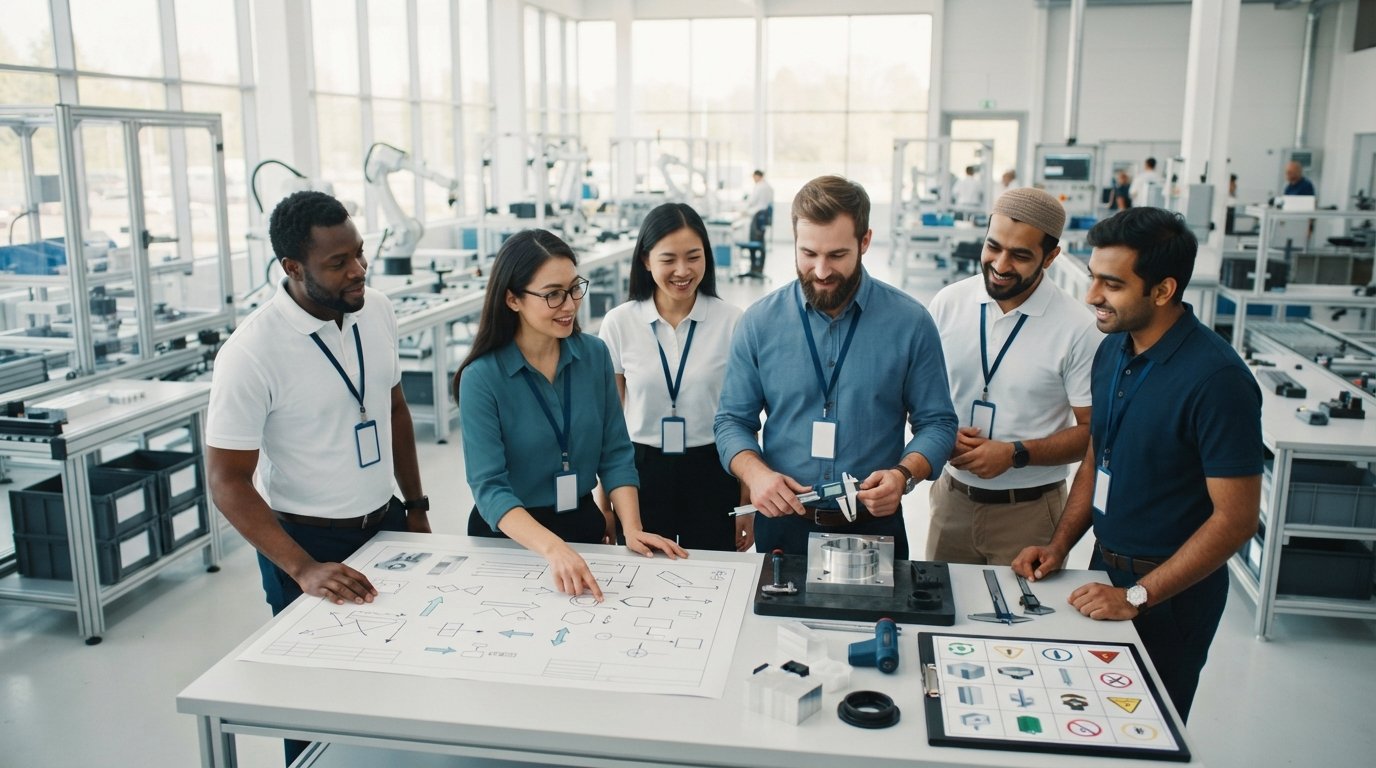
A technical drawing isn't just an engineering reference; it's your primary legal baseline against cost-driven supplier compromises. When sourcing abroad, vague manufacturing product specification sheets inevitably invite unauthorized material substitutions, delayed timelines, and sudden quotation in...
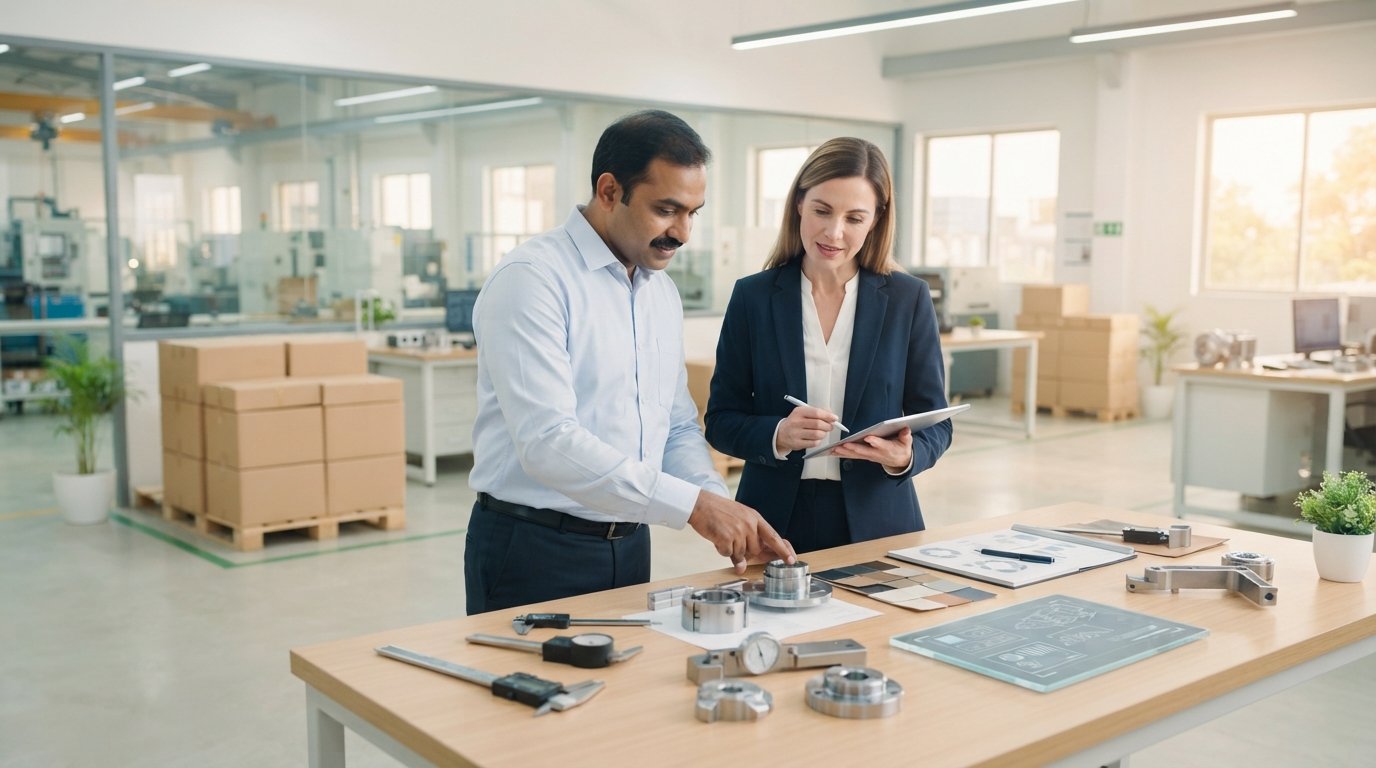
The traditional commission-based sourcing agent in India is no longer an asset; they're often your greatest financial risk in a market rapidly scaling toward a $2 trillion export target. You likely recognize the inherent conflict when an agent's income rises alongside your factory costs, or the anxi...

If your current sourcing agent claims their services are free, you're likely paying a hidden tax of 10% to 30% through inflated unit prices and factory kickbacks. This lack of transparency doesn't just erode your margins; it creates a dangerous barrier between you and the factory floor. Finding a re...