


The "perfect" prototype sitting on your desk is often the most dangerous liability in your supply chain. While it looks right, it rarely accounts for the harsh realities of high-volume manufacturing lines. You've likely experienced the exhaustion of endless sampling loops where every iteration brings fresh errors and another $200 invoice for international shipping. These delays don't just cost money; they can push your market entry back by 90 days or more. Professional sampling support acts as your protective shield, ensuring that your vision isn't lost in translation between the design studio and the factory floor.
We'll show you how to navigate the complexities of prototype development to secure a "Golden Sample" that serves as a definitive legal quality benchmark. You'll learn how to eliminate the opaque markups of traditional agents and implement on-site oversight that keeps your project simple, safe, and profitable. This briefing outlines the exact steps to reduce your time-to-market and guarantee that your mass-produced goods are an exact replica of your approved prototype.
• Transition your manufacturing project from a design concept to high-volume reality by mastering the critical pre-production approval phase.
• Follow a structured 5-step lifecycle to ensure your technical files and supplier selection are perfectly aligned before mass production begins.
• Avoid the "opaque middleman" trap by learning how to maintain full transparency and direct control over your factory relationships.
• Evaluate potential partners using a strategic framework that prioritizes technical engineering expertise and localized sampling support to prevent costly delays.
• Discover how a dedicated on-site sourcing team acts as your protective shield in Asia, making global procurement simple, safe, and profitable.
Sampling support is the professional oversight of prototype development and pre-production approval. Many brand owners treat this as a mere formality, but that is a dangerous mistake. This stage represents the most critical juncture in the sourcing and procurement lifecycle. It's the point where your theoretical design meets the hard realities of factory capabilities. If you don't get the sample right, you won't get the production right. Errors caught during sampling cost hundreds of dollars; errors caught after mass production cost hundreds of thousands.
Effective sampling support requires a clear distinction between 'looks-like' prototypes and 'works-like' functional samples. A 'looks-like' sample confirms aesthetics, color matching, and branding. A 'works-like' sample tests mechanical integrity, durability, and fit. Beyond these physical attributes, the sampling process is your first opportunity to verify material compliance and adherence to ESG standards. You can't claim a sustainable supply chain if you don't verify the raw material origins at the prototype stage. We ensure that 100% of your technical specifications are met before you sign off on a single production unit.
Relying on email and high-resolution photos to approve samples is a recipe for disaster. This remote approach often leads to "sampling loops," where misunderstood instructions result in three or four iterations of the same mistake. These cycles can cause 3-month delays before a single saleable product is even made. Having a dedicated team to physically inspect samples in the factory ensures that substandard work never leaves the country. It stops you from wasting money on international air freight for items that belong in the trash. Sampling support is a physical bridge between digital design and factory reality.
Sampling sets the standard, while mass production oversight ensures that standard is maintained across a run of 10,000 or 50,000 units. A common trap for wholesalers is approving a one-off, handmade prototype that the factory cannot actually replicate at scale. We insist on tool-made samples that use the actual molds and machinery intended for the final run. This approach drastically reduces the risk of "quality fade," a phenomenon where factories slowly substitute cheaper components once the contract is signed. By integrating statistical acceptance sampling protocols during the pre-production phase, we establish a non-negotiable baseline. This protects your margins and prevents you from leaving money on the table due to high defect rates or reputational damage.
The transition from a digital design to a physical product is where most procurement projects succeed or fail. Professional sampling support isn't just about getting a prototype; it's about validating a repeatable manufacturing process. This lifecycle ensures your specifications aren't lost in translation when they hit the factory floor.
We review your Bill of Materials (BOM) and CAD drawings to ensure they're factory-ready. If your files lack tolerances or material grades, the factory will guess, and guesses lead to defects.
We match the complexity of your design with a vetted factory's specific machinery. A factory that excels at simple stamping may fail at complex multi-cavity injection moulding.
We review the first unit off the line. Rigorous Quality control procedures for sampling at this stage identify tool misalignments before you commit to a full production run.
We manage the feedback loop. If the T1 sample shows sink marks or color deviations, we coordinate the technical adjustments needed for the T2 or T3 iterations.
This is the final, sealed benchmark. It represents the exact quality level the factory must maintain for every unit in the mass production phase.
Managing custom product and tooling development in Asia requires a physical presence. We oversee the T1 to T3 trial process for plastic injection and metal casting, ensuring that every iteration brings the component closer to 100% tolerance compliance. Intellectual property protection is a priority during this phase. We ensure that you retain full ownership of all custom tools and moulds, preventing suppliers from using your proprietary designs for other clients. This oversight keeps your production simple, safe and profitable.
The Golden Sample, or red-seal sample, serves as the definitive quality benchmark in your manufacturing contract. We use tamper-evident seals and detailed documentation to ensure these samples cannot be swapped or altered. This physical record includes the specific material finishes, colors, and assembly standards you've approved. A Golden Sample is the only objective evidence in a quality dispute. Without it, you've no leverage if a factory delivers sub-standard goods. If you want to protect your margins, you can discuss your project requirements with our team to establish these critical benchmarks early.

Many brand owners believe a standard sourcing agent's basic service is enough to get a product to market. This is a costly misconception that often leads to months of delays. Traditional agents typically act as opaque middlemen. They hide factory identities to protect their own margins, which prevents you from ever verifying the actual production environment. This lack of transparency is the first step toward project failure.
You also face the "Yes-Man" syndrome. In many Asian manufacturing hubs, factory managers will agree to complex specifications they can't actually achieve during mass production just to secure your initial deposit. Without dedicated sampling support, you're left managing the process from thousands of miles away. You end up paying for 8 or 10 rounds of failed prototypes. When air-freight costs for a 5kg sample package from Shenzhen to Chicago average $130 per shipment, these technical failures quickly drain your development budget and kill your speed-to-market advantage.
Vague requirements are the primary cause of production friction. If your Bill of Materials (BOM) doesn't specify exact material grades, factories will substitute cheaper, non-compliant alternatives to pad their profits. You must define tolerances within 0.1mm and use precise Pantone codes to ensure brand consistency across different batches. We've seen how a lack of rigorous oversight leads to reputational damage scenarios where entire shipments are rejected because the final product didn't match the buyer's expectations.
Don't confuse a "sample room" prototype with a production-ready item. Most factories have a dedicated sample room where master craftsmen use manual tools to create a single, perfect unit. This doesn't reflect what the high-speed production line will produce. It's a trap that leads to "quality fade" once the real order begins. You must insist on samples made using the actual mass-production processes and tooling. Our on-site quality control teams physically visit the shop floor to verify that the sampling process mimics the real production environment. This boots-on-the-ground approach ensures your golden sample isn't a one-off miracle, but a repeatable standard. Professional sampling support transforms the process from a guessing game into a controlled, predictable bridge to mass production.
Choosing the right partner for sampling support determines whether your product launches on time or fails during development. Most brand owners start with DIY sourcing, only to find that managing a factory 8,000 kilometers away is a full-time job they didn't sign up for. Others turn to traditional sourcing agents. These agents often operate as opaque middlemen, hiding factory identities to protect their own margins. A dedicated procurement team acts differently. We function as your local office, providing the technical engineering expertise and physical proximity required to verify every specification before mass production begins.
European-managed leadership is the bridge that closes the cultural and professional gap. It ensures accountability and clear communication. When you have boots on the ground in hubs like Hong Kong or Shenzhen, you eliminate the 12-hour communication lag that stalls projects. This local presence allows for real-time problem solving, turning weeks of back-and-forth emails into a single afternoon site visit. It's the difference between a prototype that's "close enough" and one that's market-ready.
Opaque middlemen often survive on hidden kickbacks from factories, which inflates your unit costs without adding any value. You should demand a model where the supplier identity is 100% transparent. This allows for factory-direct price negotiations during the sampling phase. A fixed-fee or retainer model is always safer than commission-based structures. Commission models create a conflict of interest; the agent makes more money when your product costs more. Our approach helps you stop leaving money on the table by securing the lowest possible manufacturing price from the very first sample.
Modern brands can't ignore the reputational risk of unverified supply chains. Your sampling support must include rigorous verification of ESG and sustainability claims. It's not enough to take a factory's word for it. We combine field sampling with third-party laboratory testing for chemical and safety certifications. Having a permanent presence in mainland China means we don't just wait for samples to arrive in the mail. We visit the facility to ensure the materials on the spec sheet match what's actually on the factory floor. This proactive oversight makes your supply chain simple, safe and profitable.
Ready to secure your supply chain with a transparent, on-site partner? Contact our team today to discuss your product development requirements.
Buying Office Asia (BOA) operates as your seasoned insider on the ground. Our physical presence in Hong Kong eliminates the logistical and cultural distance between your brand and the factory floor. We don't act as a middleman; we function as your dedicated sourcing team in Asia. This model replaces the hidden margins of opaque middlemen with a transparent, fee-based partnership. Our Helsinki-based leadership provides a distinct European advantage, ensuring that communication remains seamless and Western quality standards are never lost in translation.
The transition from initial OEM/ODM development to high-volume shipping is where most brands face their greatest risks. We stabilize this process by acting as a protective shield against the pitfalls of remote manufacturing. Our team manages every detail of the supply chain, moving away from the frantic energy of traditional agents toward a steady, results-oriented methodology. We ensure that your intellectual property is protected and your production timelines are met with surgical precision.
The "Simple, Safe, and Profitable" philosophy is the anchor of our product development process. We utilize rigorous First Article Inspection (FAI) to identify discrepancies before they escalate into catastrophic failures. It's this level of sampling support that stops you from leaving money on the table. Industry data from 2023 shows that unmanaged sampling leads to a 12% average increase in production waste. We counter this by optimizing procurement from the very first prototype.
By reviewing our savings examples, you can see how professional sampling directly impacts the bottom line. Our clients often see a 20% reduction in lead times by eliminating the repetitive cycles of unmanaged sourcing. We focus on three core pillars:
• Eliminating defective batches through an on-site presence.
• Securing strict compliance with international safety and ESG standards.
• Reducing the hidden costs associated with unmanaged production delays.
We focus our resources on high-volume wholesalers and brand owners who require a scalable, professional infrastructure in Asia. Onboarding begins with a strategic review of your current product line and quality requirements. We then assign a local team to manage your interests directly at the factory site. This provides the elite oversight your brand needs to grow without the typical anxieties of overseas manufacturing. You can contact our team today to discuss your specific requirements and secure your supply chain.
Success in global manufacturing isn't found in the first prototype. It's built through a rigorous 5-step lifecycle that transforms a CAD drawing into a flawless golden sample. Most projects fail because they lack local oversight, which leads to production delays and unnecessary reputational damage. By eliminating opaque middlemen and hidden margins, you regain control over your quality and your bottom line. This level of oversight ensures that your production run is simple, safe, and profitable from the start.
Our European-managed team brings 15+ years of on-the-ground experience to your project. We provide the sampling support required to reduce your time-to-market while ensuring 100% transparency at every stage. This isn't just about a single product; it's about building a resilient supply chain that supports the growth of high-volume brand owners. Secure your supply chain with Buying Office Asia’s expert sampling support. Your vision deserves a production partner that's as committed to excellence as you are.
A prototype tests the concept's functionality, while a pre-production sample confirms the final manufacturing process. Prototypes often use substitute materials or 3D printing to prove a design works. The pre-production sample uses the exact materials and machinery intended for the 5,000-unit run. You don't start mass production without an approved pre-production sample because it serves as the ultimate quality benchmark for your order.
Professional sampling support costs vary based on complexity, but most factories charge 3x the unit price for a single sample. This fee covers machine setup and material waste during the short run. You'll also face courier fees, which DHL reports average $50 to $150 for small parcels from China to Europe. Investing in expert oversight at this stage prevents the 15% defect rate common in unmanaged first runs.
Delays usually stem from the sample room being a separate entity from the main production floor. Sample makers often wait for material scraps from large orders to avoid buying full rolls of fabric or bulk resin. Industry data shows 70% of delays occur because specifications weren't translated into technical drawings. Local on-site management ensures your sample doesn't sit at the bottom of the priority list for 30 days.
You protect your IP by using NNN agreements drafted under Chinese law. Unlike standard Western NDAs, these are enforceable in Chinese courts and prevent factories from using your designs for other clients. We recommend splitting your product design between two different factories so no single supplier has the full blueprint. This strategic approach reduces the risk of your design appearing on public marketplaces by 90%.
A Golden Sample is the final, approved version of your product that represents the exact standard for mass production. You keep one at your office, and your local team holds the second at the factory. This physical reference eliminates subjective arguments about color or texture. It acts as a shield against quality fade, where a factory might swap 304 stainless steel for a cheaper grade during the second month of production.
You should expect to pay for samples to ensure the factory takes your project seriously. Free samples often receive the least attention, leading to lead times exceeding 45 days. Most suppliers refund the sample fee once you place an order exceeding $5,000. Paying for these prototypes ensures you're a priority client rather than just another inquiry in a crowded inbox. It's about securing a professional commitment.
If mass production deviates from the Golden Sample, you must halt the shipment and issue a formal claim based on your purchase order terms. This is why we conduct on-site inspections before the final balance is paid. Without a local presence to verify the goods, you'll likely receive a container of unsellable inventory. We use the approved sample to force the factory to rework defective units at their own expense.
Two to three rounds of sampling are normal for most consumer goods. The first round identifies structural flaws, while the second refines aesthetic details and packaging. If you reach a fourth round, it's a sign of poor communication or an incapable supplier. Using professional sampling support typically reduces these cycles by 40%, saving you months of back and forth transit time and preventing significant market entry delays.
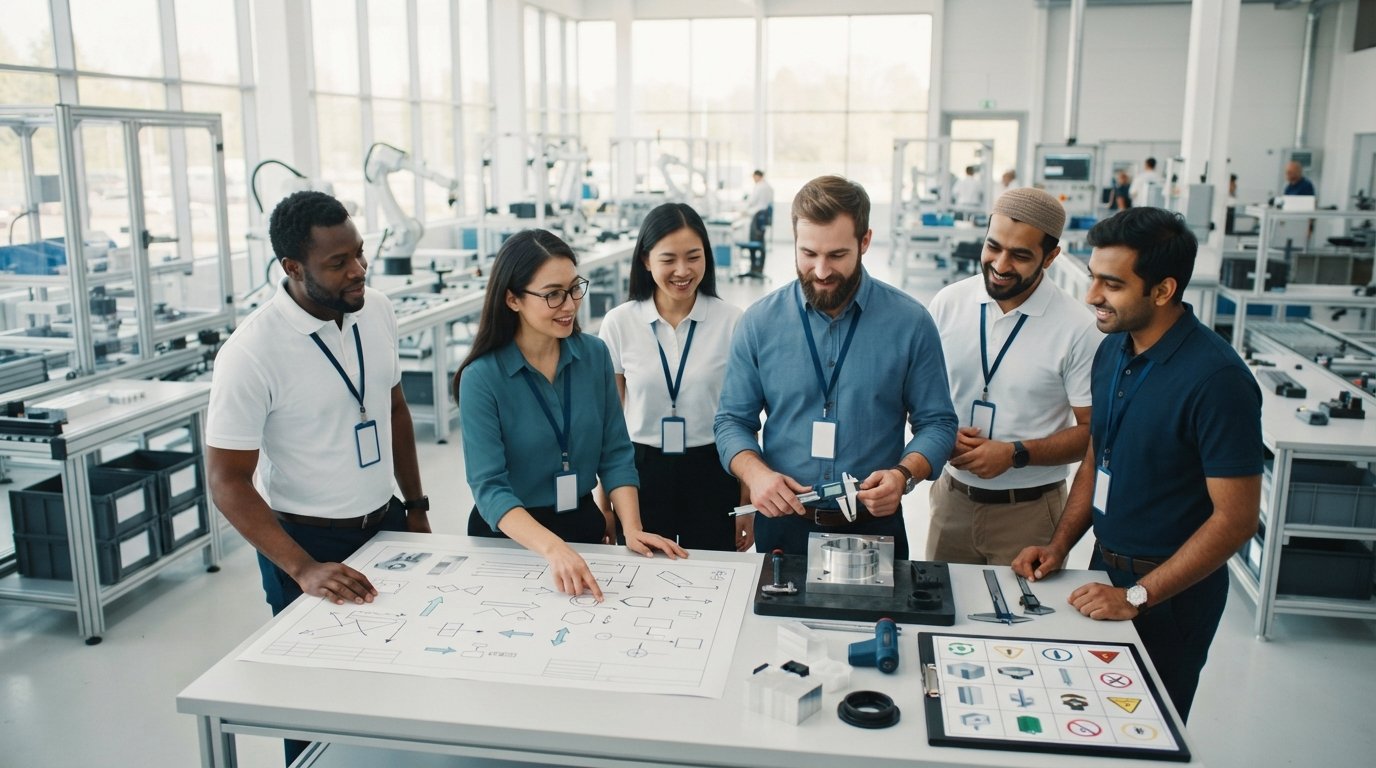
A technical drawing isn't just an engineering reference; it's your primary legal baseline against cost-driven supplier compromises. When sourcing abroad, vague manufacturing product specification sheets inevitably invite unauthorized material substitutions, delayed timelines, and sudden quotation in...
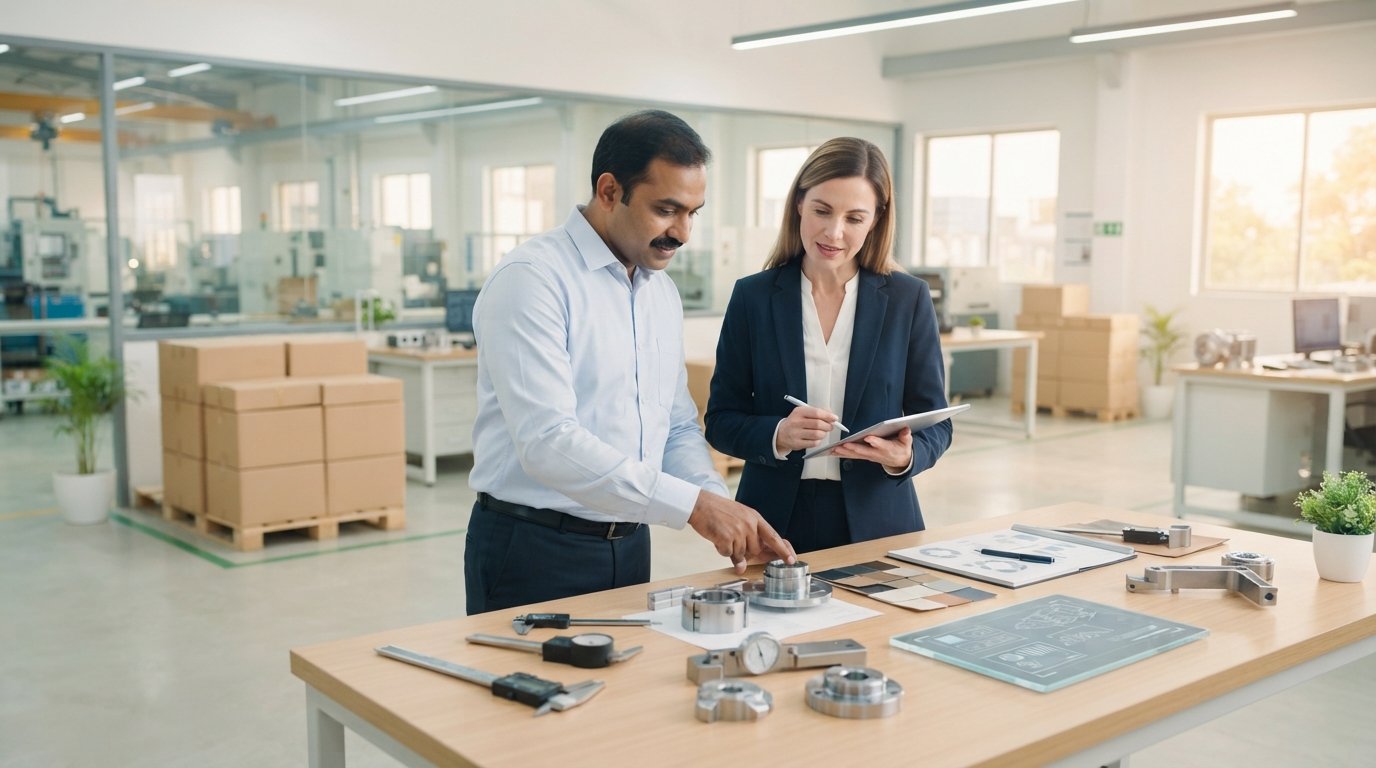
The traditional commission-based sourcing agent in India is no longer an asset; they're often your greatest financial risk in a market rapidly scaling toward a $2 trillion export target. You likely recognize the inherent conflict when an agent's income rises alongside your factory costs, or the anxi...

If your current sourcing agent claims their services are free, you're likely paying a hidden tax of 10% to 30% through inflated unit prices and factory kickbacks. This lack of transparency doesn't just erode your margins; it creates a dangerous barrier between you and the factory floor. Finding a re...