

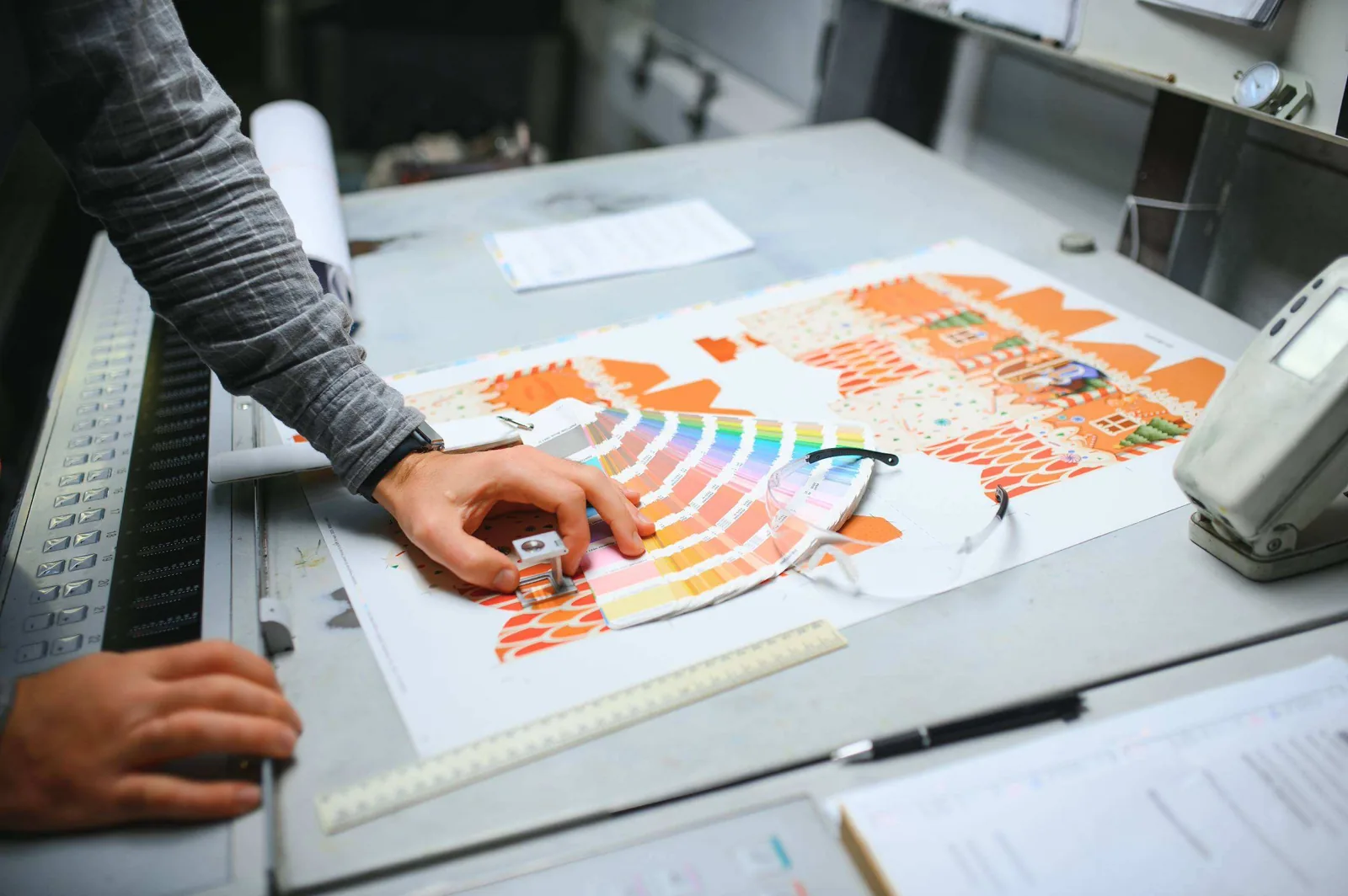
Why would you pay $300 for a single plastic component that will eventually cost three cents in bulk? For many buyers, the cost of product samples from Chinese factories feels like an arbitrary penalty, yet this investment is actually your most critical insurance policy against a failed production run.
It's frustrating to face 2026 shipping surcharges of $0.32 per pound and rising labor costs while receiving a prototype that doesn't even match your technical drawings. You're right to feel concerned about hidden tooling fees and the risk of losing your intellectual property before the first container even ships. These operational setbacks are precisely what we aim to eliminate through rigorous oversight and on-the-ground accountability.
This guide provides a transparent breakdown of 2026 sampling logistics and pricing structures, from the recent VAT rebate eliminations to express courier rate hikes. You'll learn how to secure a Golden Sample that locks in factory accountability and discover proven strategies to negotiate refundable fees that preserve your margins. This is your roadmap to securing a physical product that matches your vision while protecting your long-term financial health.
• Gain a transparent view of the total cost of product samples from Chinese factories by analyzing the interplay between manual labor, custom tooling, and 2026 shipping surcharges.
• Move beyond "off-the-shelf" units to secure a Golden Sample, establishing a definitive quality benchmark that protects your mass production ROI.
• Recognize the "Showroom Sample" trap and implement technical evaluation protocols to verify that your supplier’s production capabilities match their prototype quality.
• Learn how on-site vetting at the factory gate eliminates unnecessary international logistics expenses and ensures only compliant samples reach your desk.
• Leverage professional negotiation strategies to secure refundable sample fees, turning initial development expenses into a credit toward your first bulk order.
Experienced buyers often experience sticker shock when they first review the cost of product samples from Chinese factories. It's common to see a prototype priced at five or ten times the expected mass production unit cost. This disparity isn't a result of price gouging; it's a reflection of the significant operational friction required to produce a single unit in an environment optimized for scale. As the world's factory, China's manufacturing infrastructure is built for high-volume efficiency, which means any deviation from the standard production line creates a disproportionate amount of overhead.
Factories use high sample fees as a psychological filter to identify serious partners. With manufacturing labor costs rising by approximately 10% to 15% annually, suppliers can't afford to waste engineering resources on "tire-kickers" who have no intention of placing a bulk order. By charging a premium for the initial prototype, the factory ensures that your interests are aligned with theirs. They aren't looking for a one-off sale; they're looking for the eventual ROI of a long-term production relationship.
The primary driver of these costs is disruption. To create your sample, a factory must pull a skilled technician off a high-speed production line. This creates a ripple effect of inefficiency. They must halt automated machinery, manually source small quantities of raw materials, and potentially recalibrate equipment just for one piece. When you consider that the average manufacturing worker in China earns approximately $15,700 annually as of 2026, the man-hours lost to these interruptions represent a real financial burden that the factory must pass on to you.
You'll often choose between a ready-made "off-the-shelf" unit and a custom OEM prototype. While off-the-shelf samples are cheaper and faster to ship, they offer zero brand protection and don't prove the factory's ability to execute your specific design. Custom samples involving material swaps or logo applications require dedicated attention. For enterprise-level buyers, "free" samples from unknown vendors are a red flag. They often lack the technical rigor needed for a true Golden Sample, which serves as your ultimate quality benchmark.
Viewing the sample as a standalone purchase is a strategic error. Instead, it's the first step in mastering sourcing and procurement in Asia. A professional sample acts as a legal and technical contract. It defines exactly what you expect to receive in a 10,000-unit batch. If you don't secure a perfect sample now, you lose your leverage during mass production oversight. We recommend negotiating a "refundable" model, where the sample fee is credited toward your first Purchase Order. This protects your cash flow while demonstrating your commitment to the factory.
Calculating the true cost of product samples from Chinese factories requires you to look far beyond the initial quote. A professional procurement strategy treats sampling as a three-part financial commitment involving the unit production fee, custom tooling investments, and the often-volatile expenses of international logistics. While a simple prototype might only carry a unit price between $20 and $400, the total landed cost can escalate quickly if you don't account for the manual labor and technical overhead required to pull a product from a non-automated environment.
Unit fees cover the raw materials and the high cost of manual assembly. Since samples aren't produced on a high-speed automated line, they require hands-on craftsmanship from senior technicians. Tooling, however, remains the most significant "heavy hitter" in custom manufacturing. This isn't just a fee for a physical mold; it's an investment in your product’s structural integrity and your brand's unique intellectual property. Managing these costs effectively is the difference between a profitable launch and a drained development budget.
Logistics is the third and most unpredictable pillar. In 2026, air courier services like DHL and FedEx remain the only viable options for sampling due to the need for speed and tracking accountability. However, you must plan for the 5.9% general rate increases implemented this year. When you factor in fuel surcharges and dimensional weight changes, most buyers are seeing actual cost increases of 8% to 12%. For instance, as of April 19, 2026, UPS added a temporary surcharge of $0.32 per pound on shipments to and from China. These "hidden logistics taxes" can easily double the price of a small-parcel sample if you haven't optimized your packaging dimensions.
Managing these logistics challenges is a universal requirement for global trade. For businesses that need to ship curated U.S. products to the Caribbean, IslandSource provides a specialized service designed to navigate the complexities and surcharges of island-based delivery.
You must establish clear terms regarding "Tooling Deposits" versus "Full Ownership" before the first mold is cut. Some factories offer lower upfront costs but retain the IP, while others require full payment to grant you ownership of the physical steel. Soft tooling typically utilizes aluminum or silicone for rapid, low-volume prototyping, whereas hard tooling uses hardened steel designed for the rigors of high-volume mass production. To protect your margins, calculate the amortization schedule early; you should know exactly how many units it takes to recover your initial tooling investment. For more detailed breakdowns, learn about our Pricing and Savings Examples.
Your sample's price isn't final until it clears customs. You must factor in import VAT and brokerage fees, which often apply even if the sample value is low. The U.S. Commercial Service provides essential guidelines on due diligence and partner evaluation to help you avoid overpaying for these entries. Choosing between Economy and Priority courier speeds is a strategic balance of cost versus time-to-market. If you're struggling to reconcile these complex fees, connect with our regional experts to gain full transparency over your supply chain expenses.
Transforming a concept into a shelf-ready product is an iterative journey that requires rigorous technical milestones. While the initial cost of product samples from Chinese factories covers the physical unit, the true value lies in the structured validation of your design. This process isn't a single transaction; it's a multi-phase defense against production defects. By following a disciplined sequence, you ensure that the factory's capabilities align perfectly with your technical specifications before you commit to high-volume manufacturing.
Before any physical material is cut, CAD designs and 3D renderings allow you to verify dimensions and aesthetics. This digital stage is the most cost-effective way to identify design flaws that would otherwise lead to expensive physical revisions.
This stage focuses on utility and fit. It may not use final materials or colors, but it proves the product performs its intended function. It's the critical "proof of concept" phase.
The PPS is the most vital physical milestone. It must be produced using the exact materials, components, and processes intended for mass production. This is your last opportunity to make adjustments without incurring massive sunk costs.
Once you approve the PPS, it becomes the Golden Sample. This unit is sealed and serves as the definitive benchmark for all future quality control inspections. It's the physical contract of your quality expectations.
The factory keeps a secondary copy, known as the Counter Sample. This ensures their production team has an identical reference point on the factory floor to prevent drift during the manufacturing run.
Controlling "version creep" is essential for maintaining your project timeline. Every requested change must be documented in a centralized technical file to ensure the factory isn't working from outdated drawings. You should never authorize mass production without a signed-off PPS in your possession. For a deeper look at managing these complex interactions, consult our OEM Manufacturing in 2026: Strategic Guide. Clear communication at this stage prevents the "bait-and-switch" scenarios that plague unmanaged supply chains.
Sampling is the only safe time to catch compliance failures. You must verify that your prototypes meet regional standards such as CE, UL, REACH, or UKCA before the tools are finalized. This includes a physical audit of "Made in China" or "Made in PRC" labelling requirements. Catching a non-compliant material or an incorrect label during the sampling phase costs hundreds of dollars; discovering it after a container arrives in port can cost hundreds of thousands in fines and lost inventory.
Securing a high-quality prototype is a significant milestone, but it doesn't automatically guarantee a successful mass production run. The cost of product samples from Chinese factories often covers a "hero" unit; a single item produced under perfect conditions by the factory’s most skilled engineers. While this proves what the factory is capable of achieving, it doesn't necessarily reflect what their standard assembly line will produce during a 5,000-unit run. You must look past the physical object and evaluate the manufacturing integrity behind it.
The "Showroom Sample" trap is a common pitfall where a supplier might outsource your sample to a boutique prototyping house or, in extreme cases, purchase a competitor's product to pass off as their own. This is why Supplier Vetting in Asia is a non-negotiable step before you ever transmit payment for a prototype. You need to confirm that the factory asking for your tooling deposit actually owns the machinery required to execute the final order. Without this verification, your sample investment is essentially a gamble on a middleman's promises.
A rigorous technical evaluation involves more than a visual check. You should perform destructive stress testing, material composition analysis, and a line-by-line Bill of Materials (BOM) verification. If your product requires specific tolerances or chemical compliance, the sampling phase is your only window to catch deviations. Don't forget to evaluate the packaging samples as well. A perfect product that arrives in a crushed retail box or a flimsy shipping carton will result in a high return rate that erodes your margins.
Watch for specific behaviors that signal future operational risks. If a factory provides constant delays without a technical explanation, it often suggests they're struggling with the design or outsourcing the work. Other warning signs include:
• A refusal to provide a detailed Bill of Materials (BOM) or sub-supplier list.
• Significant price hikes for mass production immediately after you approve the sample.
• The sample arriving with "temporary" materials that the factory claims will be "better" in the final batch.
To prevent quality fade, you must implement a sealed sample protocol. This involves a professional third party, such as our on-site team, signing and sealing the approved golden sample at the factory gate. This sealed unit serves as the physical evidence in any future quality dispute. We ensure the inspector has an identical copy of this sealed sample during on-site quality control, leaving no room for "interpretation" by the factory's production manager. To secure this level of oversight for your next project, connect with our procurement experts today.
By treating the sample as a technical contract rather than a mere souvenir, you move from a position of hope to a position of control. For more information on how we manage these risks, learn about our Sourcing and Procurement Services.
Managing the cost of product samples from Chinese factories requires more than just a budget; it demands a physical presence at the source. Most independent buyers treat sampling as a passive transaction, waiting weeks for a parcel only to discover the prototype is non-compliant. By shifting to a managed procurement model, you transform this phase from a high-risk expense into a streamlined technical milestone. Our role is to act as your eyes and ears on the factory floor, ensuring that every dollar spent on development moves you closer to a profitable mass production run.
One of the most immediate benefits of on-the-ground oversight is the elimination of unnecessary logistics expenses. We vet your samples at the factory gate before you ever pay for international air courier services. If a prototype doesn't meet the agreed-upon Bill of Materials or technical drawings, it's rejected on-site. This prevents the "hidden logistics tax" of shipping flawed items back and forth across the globe. Additionally, we utilize consolidated sampling strategies, where we collect prototypes from multiple suppliers and ship them in a single courier box. This approach can save you up to 60% on logistics costs compared to paying for individual factory shipments.
Negotiation leverage is another critical advantage. A dedicated Asia procurement team possesses the regional authority to secure refundable sample fees. We position your project as a high-value partnership, ensuring that the initial cost of product samples from Chinese factories is credited back to your first bulk Purchase Order. This transparency extends to tooling fees as well; we eliminate the hidden markups that conventional sourcing agents often add to these technical costs, ensuring you pay the true factory-direct price.
Proximity is the ultimate tool for reducing the feedback loop. Instead of losing weeks to international shipping and customs delays, our team provides immediate, hands-on feedback. This is especially vital for complex OEM projects that require iterative "Product Development and Sampling Support." We help you resolve technical hurdles in days rather than months, accelerating your time-to-market. To understand how this regional presence functions as a stabilizer for your supply chain, see Why Buying Office Asia is your best partner.
Securing your IP during the sampling phase is essential for long-term brand protection. We ensure all tooling contracts explicitly state that you maintain full ownership of the physical moulds and the associated designs. It's also critical to execute a robust NNN (Non-Disclosure, Non-Use, Non-Circumvention) agreement before any proprietary drawings are shared with the factory. This prevents suppliers from using your custom samples to attract other clients or entering your market as a direct competitor. By locking in these legal and physical safeguards early, you protect the financial viability of your entire production investment.
Navigating the complexities of international manufacturing requires more than a digital connection; it demands a physical presence that ensures the product you approve is the one you receive in mass production. By establishing a definitive Golden Sample and implementing a sealed sample strategy, you eliminate the ambiguity that leads to quality fade. Recognizing that the cost of product samples from Chinese factories is a strategic insurance policy allows you to protect your ROI before the first container ever leaves the port.
Our European-managed oversight provides the stabilizing force your supply chain needs. With 100% transparent pricing and a permanent on-the-ground presence in Hong Kong and China, we remove the middlemen and obscured fees that erode your margins. We don't just facilitate a connection; we provide a defense against operational setbacks and brand risks. It's time to move away from unmanaged sourcing and toward the steady confidence of an established expert partner.
Take control of your manufacturing outcomes today. Secure your supply chain with a Dedicated Asia Procurement Team and ensure your next production run meets the highest standards of professional rigor. Your path to a reliable, scalable supply chain starts with a single, perfect sample.
The cost of product samples from Chinese factories typically ranges from $20 to $400 in 2026, depending on the complexity of the item and the manual labor involved. This price reflects the disruption to the factory's automated lines and the dedicated engineering time required to produce a single unit. While simple items fall at the lower end, complex electronics or custom molded products can exceed this range when initial tooling deposits are factored in.
Shipping is expensive due to the 2026 general rate increases and specific fuel surcharges implemented by major air couriers. FedEx, UPS, and DHL raised their base rates by 5.9% this year, but actual costs often rise by 8% to 12% when surcharges are added. For example, as of April 2026, UPS applied a $0.32 per pound surcharge on imports from China, making small parcel logistics a significant portion of your development budget.
You can occasionally secure free off-the-shelf samples if you have an established relationship with a supplier, but custom OEM prototypes almost always require payment. Factories use these fees to protect their technical resources from non-serious inquiries. A more effective strategy is to negotiate the cost of product samples from Chinese factories as a refundable credit that is applied to your first high-volume purchase order.
A Golden Sample is the final, approved prototype that serves as the definitive quality benchmark for your entire mass production run. You need this sealed unit to prevent quality fade and to provide your inspectors with a physical reference point during on-site quality control. It acts as a technical contract; if the final batch doesn't match the Golden Sample's specifications, you have the legal grounds to demand remediation or a refund.
Receiving a sample typically takes between one and four weeks from the date your payment is confirmed. This timeline accounts for a production phase of one to 15 days followed by three to seven days of express courier transit. You can reduce these delays by working with a regional team that can vet the prototype at the factory gate, identifying defects before the item ever enters the international shipping cycle.
You should use Alibaba Trade Assurance or PayPal for sample payments to ensure a basic level of financial protection. While Trade Assurance is the standard for documenting factory-direct transactions, PayPal is often preferred for small fees due to its processing speed. Regardless of the platform, you must ensure that your technical requirements and shipping terms are clearly stated in the payment description to protect your interests in case of a dispute.
If a sample fails to meet your specifications, you must document the deviations in a technical report and request a revised prototype. It's critical that you don't authorize mass production or pay for tooling until you have a signed-off pre-production sample that meets every requirement. Catching these errors during the sampling phase is your only defense against receiving thousands of non-compliant units that cannot be sold in your target market.
You may be liable for customs duties depending on the declared value of the shipment and your country's de minimis threshold. In the United States, the 2026 HTS Revision 12 governs these import rates, and even low-value items may attract import VAT or brokerage fees. You should ensure the factory provides accurate commercial invoices to avoid delivery delays, as customs authorities are increasingly scrutinizing small parcel imports for regulatory compliance.
What if the first clear sign of a production problem arrives after the goods are packed? Manufacturing risk management in Asia works best when controls are connected from the start, not left to a final inspection or occasional supplier update. You need visibility into factory activity, early warning...

What if the lowest unit quote isn’t the lowest-cost way to make your board game? Board game manufacturing costs depend on more than the number of boxes ordered. Component materials, custom tooling, assembly, packaging and delivery scope can all change what a quote covers, making headline prices diff...

What if the factory’s lowest quote isn’t the lowest-cost option? A lower unit price can hide differences in materials, tooling, packaging, quality checks or production terms. Understanding how sourcing agents negotiate factory prices starts with making those differences visible, not simply asking a...