

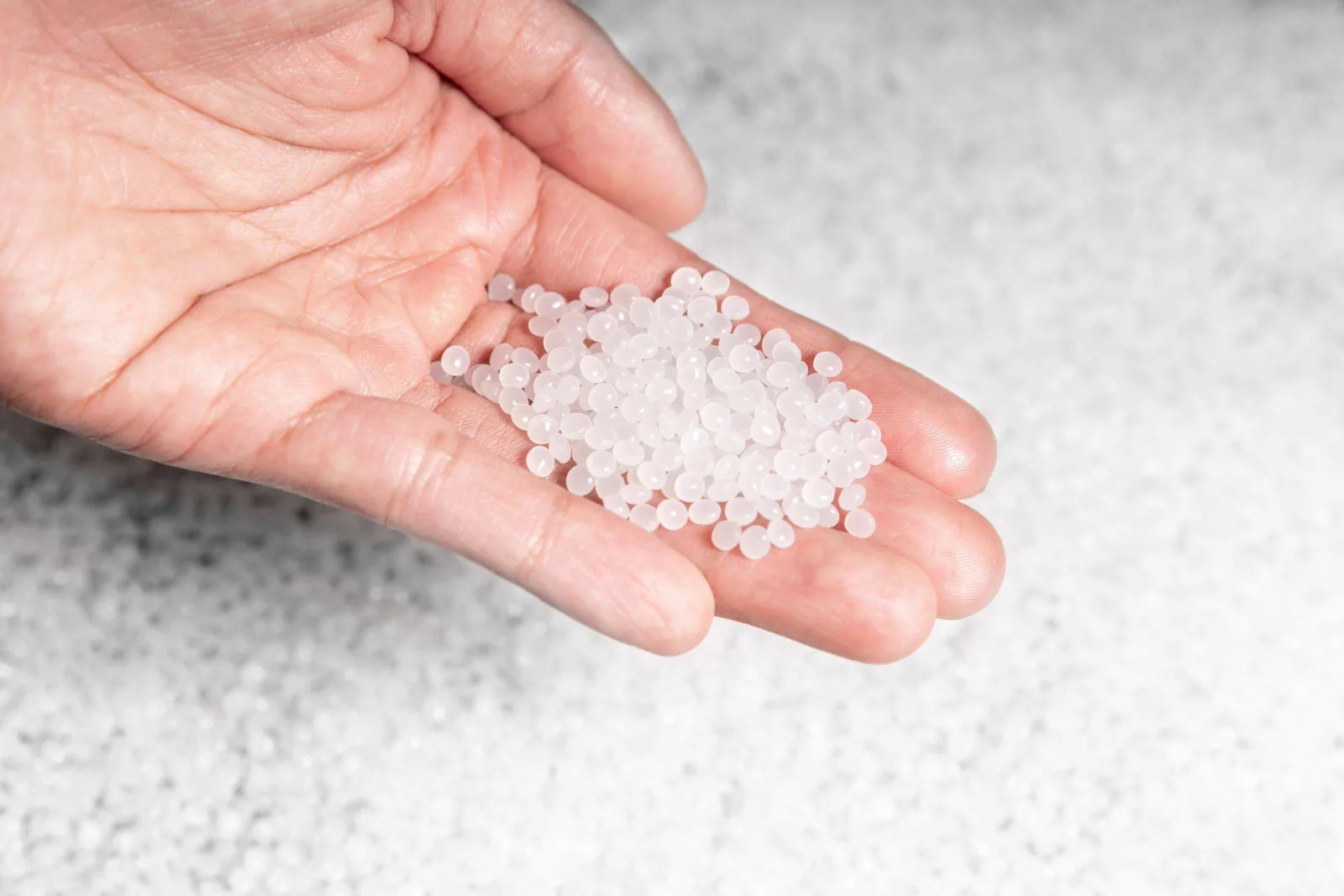
Fine detail only matters when it can be reproduced reliably. Injection moulded figurine manufacturing shapes plastic by injecting molten material into a closed mould, cooling it, then ejecting the formed part. The method supports repeatable, intricate components, while the mould’s design and precision influence how consistently those details appear.
It’s understandable to focus first on the sculpt: facial features, accessories and clean paint lines define a figurine’s appeal. But injection moulded figurine manufacturing also depends on material, part design, tooling investment and order size. A design that looks impressive on screen may need adjustments to mould cleanly and assemble without fit issues.
This article explains how toy injection moulding works, which plastics suit different figurine requirements, and how tooling and production volume shape unit economics. It also covers how tolerances, cooling, decoration and supplier coordination affect the finished result, helping you assess trade-offs before committing to a production plan.
• Understand how injection moulding turns a designed part into repeatable figurines, and why mould layout and cooling affect detail and consistency.
• Compare plastics by the qualities your figurine needs, such as rigidity, flexibility, impact resistance or surface finish.
• Weigh tooling investment against production volume, part count and finishing requirements when assessing order economics.
• Define tolerances, paint and decoration standards, assembly checks and approved samples before production begins.
• See how coordinated sourcing and procurement can support supplier selection, factory-direct negotiations and production oversight in China.
Injection molding forms plastic parts by injecting molten material into a closed mold, cooling it, then ejecting the molded part. Compared with resin casting, 3D printing and soft-vinyl rotocasting, it suits repeatable production: resin casting may be more practical for 100-300 highly detailed figures, while soft vinyl rotocasting forms hollow PVC figures.
Common risks include warping or shrinkage caused by uneven cooling, as well as fit problems when separately moulded parts do not match. A stable process starts with a mould designed for the figure’s geometry and intended assembly.
The production cycle clamps the injection mould, injects molten plastic, holds pressure, cools the material and ejects the finished part. Each step affects whether fine features are reproduced consistently throughout a run. Cooling-system design matters because uneven cooling can cause warping or shrinkage. Reviewing the parting line, wall transitions and assembly interfaces during design helps prevent avoidable production problems.
Injection moulding can reproduce complex shapes and detailed components, including action figures and model vehicles, with consistent dimensions suited to assembly. The main trade-off is the upfront tooling investment: moulds cost money to develop, while production becomes more economical per unit over larger runs. This makes the process suitable for repeat production, but less practical when a design is still changing or the order is small.
Family moulds produce multiple related parts in one moulding cycle. For a figurine, a mould might combine compatible accessories or body components, reducing separate production steps. The layout must still account for each part’s shape, material flow and cooling. If components need different plastics or distinct surface finishes, combining them may not suit the design. Automated production and inspection can support efficient output on large runs, but clear part specifications remain essential.
For smaller quantities, resin casting may suit realistic or highly detailed figures, particularly when injection moulding’s tooling investment is hard to justify. Soft-vinyl rotocasting offers another option: the mould rotates while heated, forming a PVC layer along its walls. These methods differ in construction and feel, so compare the desired weight, hollow or solid structure, detail, finish and intended volume before choosing. Three-dimensional printing can support early design evaluation, while injection moulding is better suited to repeating an approved part at scale.
Injection-moulded applications include collectible figures, poseable action figures, model vehicles and precise-fit building bricks. Each puts different demands on the design. A brick needs accurate mating geometry; a character figure may rely on separate parts, paint and accessories. Before tooling, translate the approved sculpt into mold-ready geometry, with draft, parting lines and interfaces considered. A mould-ready product development handoff helps align the design with production requirements.
Inspect the first moulded samples for warped limbs, uneven shrinkage, incomplete details and mismatched joints. Check decoration and assembly against an approved reference, not only a digital render. In injection moulded figurine manufacturing, resolving these issues before mass production helps protect visual consistency and component fit.
Material choice affects a figurine’s stiffness, flexibility, impact resistance, surface finish and weight. Specify each component separately: the body, joints, accessories and decorative parts may have different functions. Compare resin grades against the intended use and finished design, rather than choosing from a generic material name alone.
ABS is used for rigid figures and model toys where strength and a smooth surface matter. Polypropylene can suit lightweight, flexible components, including moving parts. Polyethylene offers flexibility and impact resistance, while HDPE and PET are also used in robust toy applications. For example, a rigid torso and a flexible accessory may need different plastic specifications.
Soft vinyl and hard PVC are not interchangeable descriptions. Soft-vinyl rotocasting typically uses PVC plastisol to form hollow figures. Hard PVC injection moulding typically uses PVC compound or pellets, producing solid figures or separate parts for assembly. Define the required feel, structure and finish in the product specification so the chosen material and process suit the design.
Multi-material moulding combines plastics within one product. Over-moulding adds a material layer over a previously moulded component, while two-shot moulding forms a part from two materials in a coordinated process. These techniques can create, for example, a rigid figure with a softer grip or flexible feature. The design should identify each material boundary and the function of every component.
PHAs are bio-based and biodegradable materials that can be used in injection moulding. PLA is an organically derived thermoplastic also used for moulded toys. Neither material name alone establishes that a finished figurine meets safety requirements. Specify the resin grade, colourants and coatings, and assess the complete product’s intended use.
In the United States, the Consumer Product Safety Commission (CPSC) oversees applicable toy safety requirements. Toys intended primarily for children aged 12 and under are subject to applicable federal rules, including the mandatory toy safety standard ASTM F963; manufacturers or importers must address required testing and certification, tracking information and labeling. Requirements for lead, phthalates and small-parts warnings depend on the product and its intended age group, so classification matters before production.
• Specify the resin and color for each component.
• Identify flexible, rigid and over-moulded areas on the design.
• Review samples for fit, finish and material transitions.
• Define intended use and age group before assessing US requirements.
For a figure with separate accessories, assess those pieces as part of the complete product, not as isolated materials. Align the design, resin specification and intended market before approving production samples.
Minimum order quantities for injection-moulded PVC and blind-box figures depend on the factory and the exact project. Obtain a quotation for your design and planned assortment rather than relying on a generic quantity range. The factory’s production setup, design count, decoration and packaging specification all influence the order it can efficiently schedule. Ask whether a stated MOQ applies to one design, one colorway or the full assortment.
For a multi-character range, get the quantity basis in writing for each figure. A supplier may distinguish between total pieces and per-character quantities because each design can require different tooling, paint masks and assembly work. If the order includes several colours, clarify whether they share the same production quantity or are treated as separate variants. This prevents a seemingly suitable total order from leaving one design below its actual production minimum.
Listed prices are useful only as a rough comparison when the product specification is incomplete. An online listing may describe a basic figure, while your brief adds accessories, hand-applied decoration, assembly or retail packaging. Price depends on the project and is provided after a quote request; key factors include material, size, part count, finish, packaging and order volume. Don’t compare a listing with a detailed factory quotation as if both cover the same deliverables.
Request a cost breakdown that separates tooling, sampling and unit production. The per-unit amount should state which components, colours, decoration steps, assembly work and packaging it includes. Ask whether the quotation assumes a particular order quantity and how the unit amount changes across the volumes you are considering. This makes the effect of tooling allocation visible without treating a low unit figure as the project’s total cost.
Use one identical request package for each quotation: approved design files, dimensions, material requirements, colour references, finish standard, component list, packaging specification and target quantity. Then compare the returned terms line by line. Record exclusions, such as artwork preparation, special inserts or final packing, because omitted steps can add cost or coordination later.
• Confirm whether the MOQ is per design, colorway or total assortment.
• Ask how separate character designs affect quantity and quotation terms.
• Check which tooling, sampling, decoration and packaging items are included.
• Compare unit pricing at the same stated order volumes and specification.
A staged launch can reduce the risk of ordering too much before demand is clear, but it may mean comparing the initial run with later replenishment terms. For example, a publisher launching several characters could prioritise the strongest designs while keeping artwork and specifications consistent across the range. Before committing, align the order plan with the MOQ, cost breakdown and inventory needs. This turns listed prices into a useful starting point for a comparable production decision.

Figurine molds are designed from production-ready geometry, then manufactured to reproduce the intended surfaces and interfaces. The design defines the parting line, gates, vents and cooling channels before mold components are machined and assembled. Mold steel selection depends partly on the figure’s appearance requirements. P20, 718H and NAK80 are used for toy injection molds, with higher-grade materials considered for demanding finishes.
Precision should focus on features that affect fit, appearance or assembly. Mark critical dimensions on the drawing, such as a peg-and-socket joint or the alignment between a figure’s head and torso. Achievable tolerances depend on part geometry, resin, tooling and process capability. Agree on the achievable tolerance for each critical dimension with the tooling team. Specify tolerances for functional interfaces individually, and avoid applying tight limits to dimensions that don’t affect the finished product.
Cooling-channel layout is part of mould engineering, not an adjustment to leave until production. The channels must support consistent heat removal across the mould and suit the part’s geometry. A torso, thin accessory and thick base have different shapes and material volumes, so the mould design should account for how each area will cool. This supports a repeatable cycle and helps maintain stable dimensions from one production cycle to the next.
Tooling complexity has a direct impact on cost control. More components, moving sections, fine surface features and separate cavities can add design and machining work. A multi-part figure also requires decisions about how parts locate, assemble and meet at visible seams. During design review, identify the features essential to character recognition and those that can be simplified without changing the approved appearance or function.
Review the digital design before machining begins. Confirm that the file represents production geometry, not only a sculpt intended for viewing or printing. Check the parting line against visible surfaces, and review how gates and ejector positions could affect presentation areas. A mould-flow or tooling review can help resolve these choices before steel is cut, when design revisions are easier to coordinate than after tooling is complete.
Use sample approval to validate the design against measurable criteria. Compare critical dimensions, inspect surface detail and test assembled interfaces using the same method each time. Keep a record of approved revisions so the mould, sample and production specification stay aligned. When a sample misses a requirement, identify whether the cause is geometry, tooling or process settings before authorising a change.
• Mark critical fit dimensions and visible surfaces on the drawing.
• Review parting lines, gates, vents and ejection points before machining.
• Document sample revisions and acceptance criteria for production reference.
• Compare tooling options against required detail and assembly needs.
This approach keeps engineering effort focused on the figure’s functional and visual priorities. The right design choices support efficient production while preserving the details that make the approved figurine recognisable.
For action figures and collectibles, assess a Chinese supplier against the full production brief, not a sample photo alone. Quality control commonly checks dimensions, surface appearance, component fit, decoration and packaging against approved specifications. If the figure is intended for children, identify the applicable product-safety testing for its intended use, age group and destination.
Start by matching the factory’s production scope to your product. A figurine with separately moulded limbs, accessories, painted details and retail packaging requires coordinated moulding, finishing and assembly. Ask which stages happen at the factory and which involve subcontractors. Map responsibility for each stage so a paint mismatch or missing accessory has a clear production owner.
Use the same technical package with every supplier: approved 3D files, material requirements, dimensions, colors, component list, finish references and packaging artwork. Ask how the factory controls plastic injection settings, including pressure, and records approved changes. For a poseable figure, review joint fit and movement on assembled samples. For a static collectible, focus on alignment, paint boundaries and visible surface defects.
Quality checks should compare production parts with an approved golden sample and written acceptance criteria. Inspect moulded parts for warping, shrinkage, flash and incomplete details, then assess fit, assembly, decoration and packed contents. Automated inspection and testing can support factory quality controls, but sampling remains a snapshot of inspected units. A clear defect record should identify the component, observed issue, acceptance requirement and corrective action.
Environmental impact depends on the resin, decoration, product construction and end-of-life options. Excess plastic from injection moulding can often be recycled or reused, and many plastics can be melted into other products. A painted, multi-material figurine may be harder to separate than a single-material part, so ask what scrap is reused and how the finished components can be sorted.
Before approving production, align these decisions in writing:
• Who controls mold changes, sample approval and production settings?
• Which visual, dimensional, assembly and packaging checks apply?
• How are paint colors and decoration compared with approved references?
• What happens when inspection finds a defect, and who verifies correction?
These answers reveal whether a supplier’s process fits your product, from a simple molded mascot to a multi-part collectible. If you need support coordinating supplier assessment and production requirements in China, discuss your figurine manufacturing project.
Buying Office Asia coordinates end-to-end sourcing and procurement for businesses developing figurines and managing production in Asia. This support is useful when a project involves more than selecting a moulding factory, such as aligning supplier vetting, factory-direct price negotiations, tooling decisions and production requirements.
A dedicated Asia procurement team can keep those decisions connected, from supplier discussions through high-volume sourcing and procurement. That coordination gives you a clearer view of specifications, responsibilities and production updates, rather than treating each decision as an isolated transaction.
If you’re preparing a figurine project or reviewing an existing supply chain, contact Buying Office Asia to discuss your sourcing and procurement needs.
Your next step is to clarify project requirements before production decisions move forward. Bring together the approved sculpt, component map, material and colour references, intended audience, packaging requirements, target order volume and acceptance criteria. Clarify who approves artwork and samples, and how proposed design changes will be reviewed. One shared brief gives the project team a consistent reference as the work advances.
For injection moulded figurine manufacturing, consider how design, tooling, sampling and production decisions fit together, not only whether a factory can make the shape. Buying Office Asia supports this coordination through end-to-end sourcing and procurement, high-volume sourcing and procurement, and a dedicated Asia procurement team. This approach can help keep supplier decisions and production requirements aligned.
Bring your project brief and current decisions to discuss your figurine project with Buying Office Asia. A clear starting point can help you move from concept toward a workable production plan.
Common choices include ABS, polypropylene, polyethylene and PVC. ABS suits rigid parts that need a smooth finish, while polypropylene can suit flexible components. PVC is used in both soft-vinyl and hard-PVC figures, though the process and construction differ. For example, a design with a rigid body and flexible accessory may need separate material specifications. Select resin by component function, required finish and intended use, then assess the complete material specification for the destination market.
Production typically moves from design approval to mould development, sample review and mass production. First, finalise the sculpt, component breakdown, materials, colours and artwork. Next, translate the design into mould-ready files and develop tooling. Review moulded samples for fit, appearance and decoration, then approve a reference sample. During production, monitor parts and assembly against the agreed criteria. Finally, inspect the finished product and packaging before release. Changes after tooling can affect cost and schedule.
There is no dependable per-unit figure based on volume alone. Price depends on the project and is provided after a quote request; key factors include tooling, resin, figure size, component count, decoration, assembly and packaging. Higher quantities can spread initial tooling across more units, but added paint steps or separate parts may still raise unit cost. Compare quotations using the same design files, specifications, order volume and included production stages.
There is no universal minimum order quantity for injection-moulded PVC or blind-box figures. Request a project-specific minimum from each qualified factory. Actual factory minimums can depend on the mold, figure size, number of designs, colors and finishing work. Ask whether the minimum applies per character or across the full assortment. A multi-design order may still require separate quantities for each figure if components, molds or decoration differ.
A collector’s edition succeeds when its packaging supports the product experience and the practical demands of production. Collector’s edition box manufacturing brings design, materials, components, and assembly planning together in one coordinated brief. The aim is a presentation that feels conside...
Learn how to find a manufacturer in China without an in-house Asia team: define your brief, shortlist factories, compare quotations, validate samples and control quality.
A final inspection is a release checkpoint, not a guarantee that every unit is flawless. A standalone quality inspection in Asia can assess a random sample against your agreed specifications; a pre-shipment inspection typically takes place after production is 100% complete and at least 80% of the or...