

Browse articles in this category or search the archive.

What if your signed OEM agreement protects the product on paper but leaves the factory unclear about what to make, when to deliver it, or how quality will be judged? That gap is where an oem manufacturing agreement china project can lose control: responsibilities blur between buyer, sourcing interme...
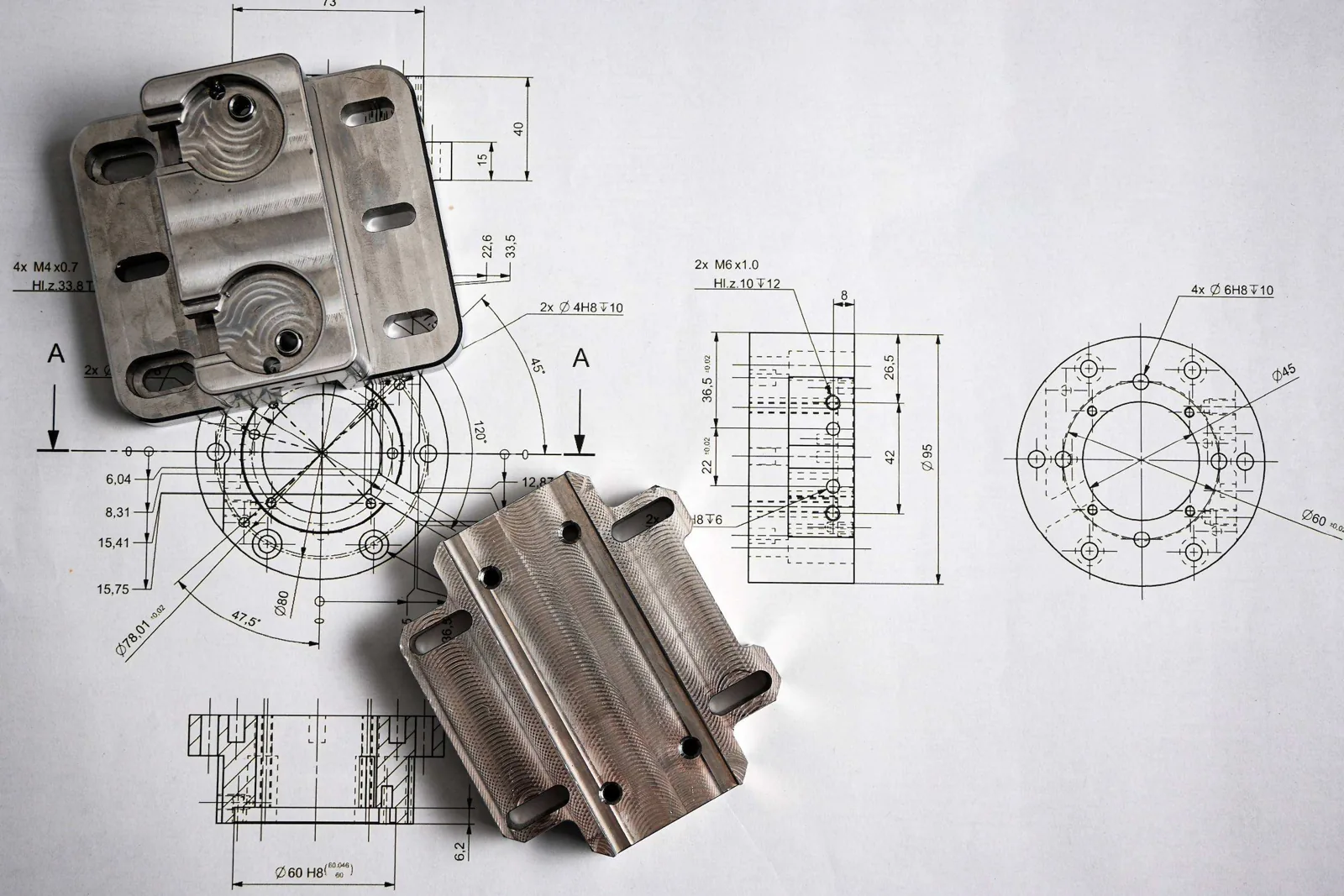
What if the mold you paid to develop couldn’t be released when you needed to change suppliers? Managing tooling and molds with a foreign factory means more than tracking where production equipment is stored. Payment alone may not establish clear ownership, access, or transfer rights. Without visibil...
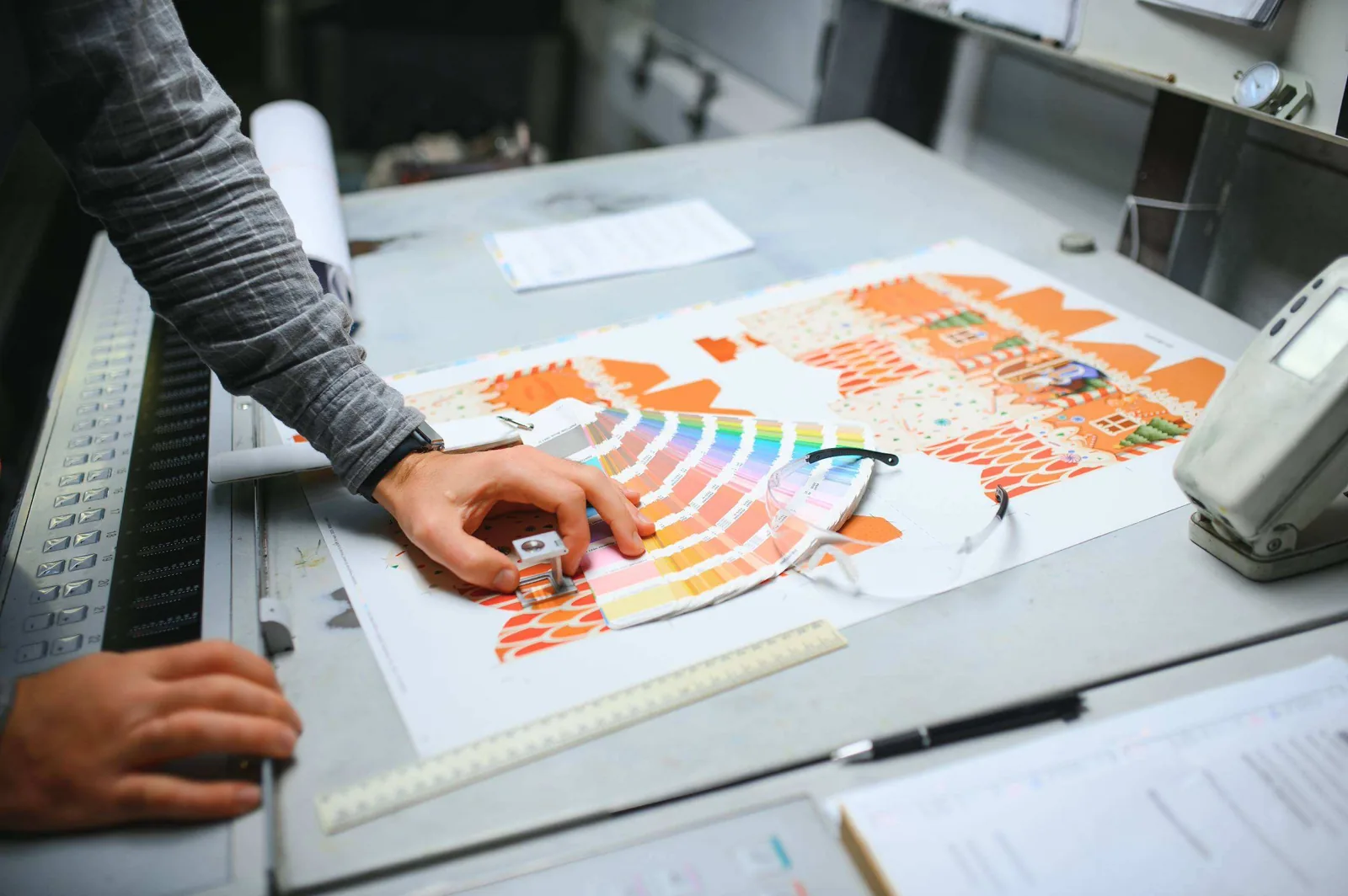
A polished factory sample can still be the wrong one to approve if it doesn’t reflect the materials, dimensions, and process planned for mass production. If you’re figuring out how to get product samples from Asian factories, the challenge isn’t simply getting a package delivered. It’s making sure t...

A lower quoted unit price does not always mean a lower-cost supply chain. In manufacturing in Thailand vs Malaysia, the better choice depends on your product, production model, and ability to manage execution, not a country’s reputation. A factory that fits one buyer’s specifications and volume may...

A technical drawing isn't just an engineering reference; it's your primary legal baseline against cost-driven supplier compromises. When sourcing abroad, vague manufacturing product specification sheets inevitably invite unauthorized material substitutions, delayed timelines, and sudden quotation in...
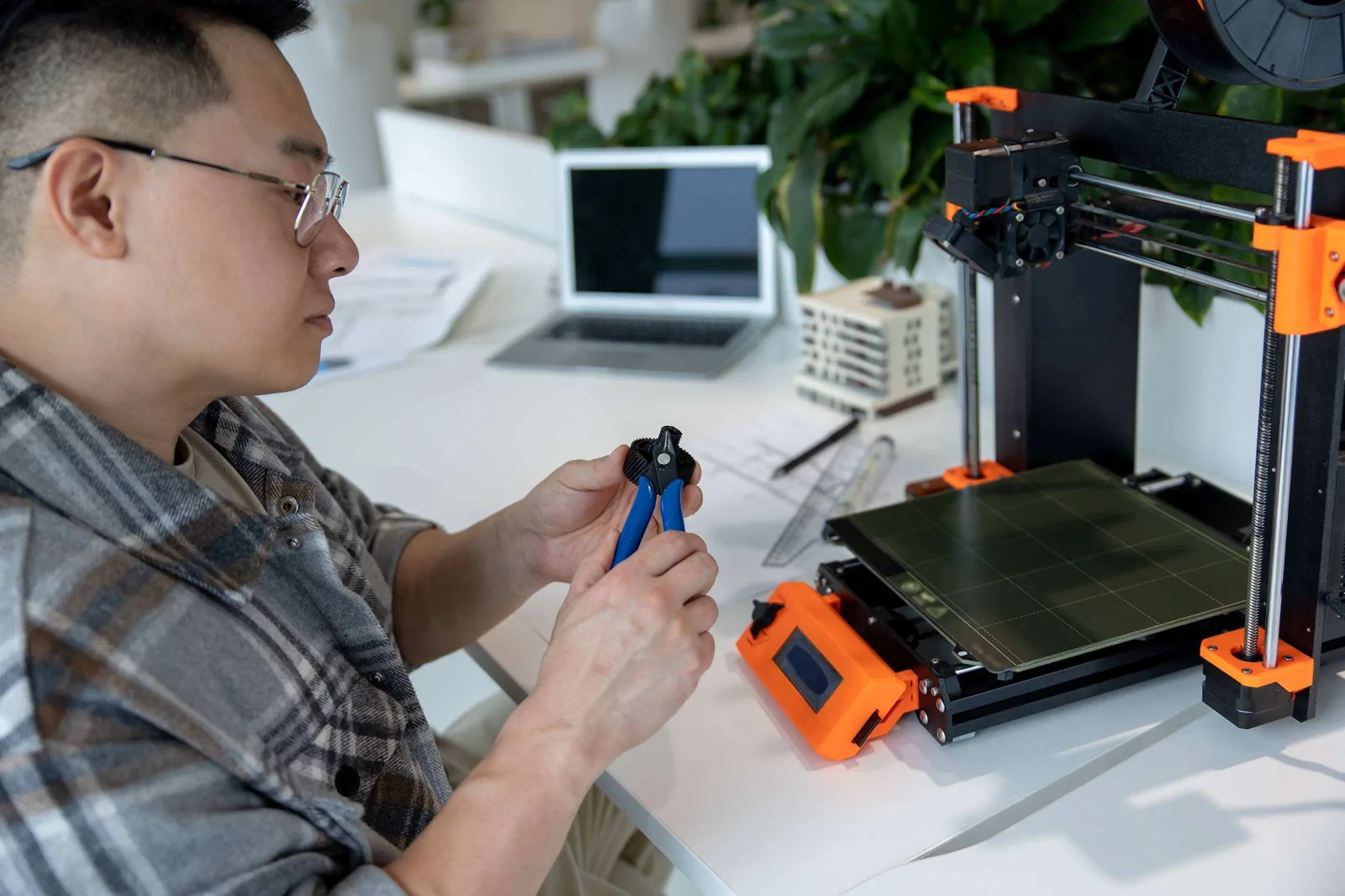
A perfect golden sample is often the most dangerous document in your supply chain. If a prototype is handcrafted by a master technician rather than built using scalable factory processes, your sample development phase isn't a success; it's a liability. This gap between a one-off masterpiece and a hi...
Successful oem sourcing asia isn't just a search for a factory, but the implementation of a transparent, on-the-ground management ecosystem. You likely already know that the traditional intermediary model is flawed, often hiding true costs behind layers of markups and opaque communication. It's frus...

Is your current China manufacturing management strategy robust enough to survive the regulatory shifts of 2026? With the recent implementation of Decree 834 and the new "Made in China" procurement standards, the distance between a successful product launch and a costly supply chain failure has never...

In 2026, the lowest factory quote for China plastic injection molding is no longer a competitive advantage; it's a liability. You've likely felt the frustration of receiving a perfect sample only to see the quality of mass production batches drift into territory that puts your brand at risk. It's ex...
What if the traditional "hands-off" approach to custom tooling development China is now the single greatest threat to your 2026 profit margins? You're likely aware that while China's machine tool exports reached nearly $23 billion early this year, the operational risks have never been more complex....
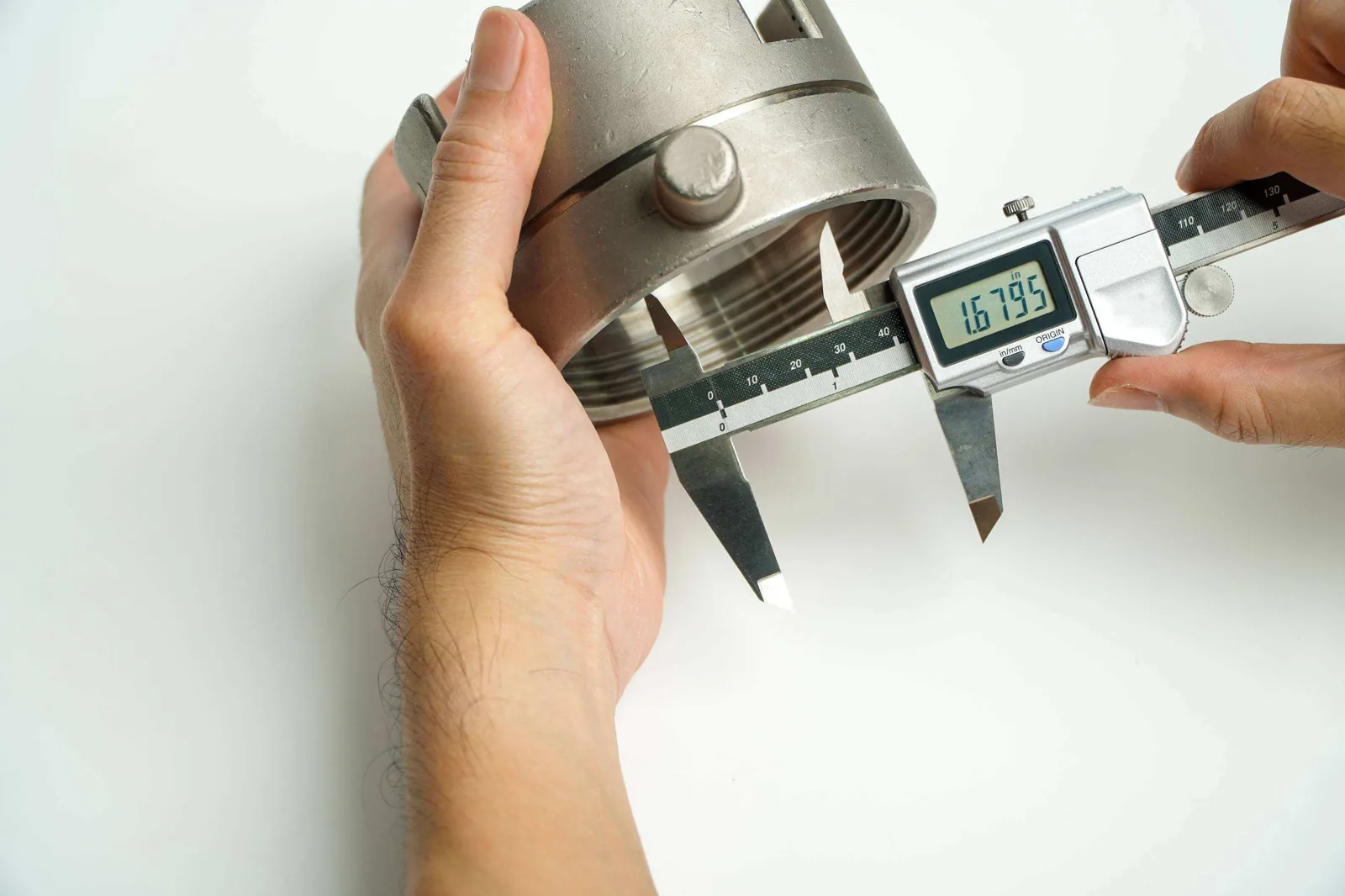
Why does a factory quote you $200 for a prototype when the mass production unit price is only $2? It's a question that often stalls procurement projects, leaving buyers to wonder if they're being hit with hidden markups. Understanding product sampling costs in china is not about accepting every invo...

The most powerful legal document in your supply chain isn't a signed PDF; it's the physical object sitting in your master sample cabinet. You've likely felt the sting of receiving a "hero sample" that looks perfect, only to find the factory can't replicate that quality at scale. This discrepancy oft...