

A factory label is a starting point, not proof of who makes your product. Finding manufacturers in Ningbo means searching by product and production process, then checking whether each supplier’s capabilities and business details match your requirements.
A direct factory relationship can give you greater visibility into specifications, pricing and production. But search results may also include trading companies, and an online profile alone does not establish who owns or operates a factory. Build a reliable shortlist by checking company records, addresses, product focus and factory evidence before committing to tooling.
This checklist covers where to find Ningbo suppliers, how to distinguish manufacturers from intermediaries, and what to assess before making contact. It also shows how to organize a shortlist around product fit, export experience, production requirements and the questions to raise in an initial discussion.
• Build your supplier search around Ningbo’s relevant industries, product-specific channels and trusted referrals.
• Distinguish factories from trading companies by comparing business details, addresses and production evidence, not profile claims alone.
• Combine product, city and factory-related search terms, then use image clues to uncover potential supplier leads.
• Shortlist prospects by product fit and export experience, and prepare clear questions before discussing samples, tooling or production.
• Buying Office Asia can coordinate supplier vetting, production oversight and quality checks, or arrange standalone inspections starting from one inspector-day with same-day reporting.
Finding a factory starts with matching your product to relevant manufacturing capabilities, then checking the evidence behind each lead. In Ningbo, combine industry networks, online searches and referrals before discussing samples or production.
Networks and platforms help you discover suppliers through different routes, but each lead needs follow-up. Search social media and industry groups using your product, Ningbo and factory-related terms. Ask industry contacts for introductions tied to comparable products, processes or export markets. The Canton Fair exhibitor search lets buyers filter by product or category. 1688 can surface supplier profiles, while company names from the Yiwu Fair exhibitor database can provide additional leads.
Trade fairs and referrals add context to a name on a screen. The China Diecasting fair in Shanghai is relevant for die-casting leads, while the Canton Fair covers many product categories. Compare each prospect’s product focus and stated production capabilities before adding it to your shortlist.
Ningbo’s manufacturing base includes petrochemicals and chemicals, IT-related industries, electrical machinery, port-related industry, telecom equipment manufacturing and textiles. The city is not a single-product sourcing hub. Match your product’s materials and processes to a supplier’s stated specialization instead of assuming any Ningbo factory can meet your specifications.
How do Ningbo manufacturers compare with suppliers in Shenzhen, Shanghai and other Chinese cities? Compare individual factories by product expertise, process, capacity fit and location. A city name alone does not show which supplier is the better match.
How can you find and verify manufacturers in Ningbo? Build a longlist through platforms, trade fairs and referrals, then compare legal names, addresses, product focus and factory evidence. Social posts and profiles are leads, not proof of production.
Which trade shows, sourcing platforms and directories list Ningbo manufacturers? Start with the Canton Fair exhibitor search, 1688 and the Yiwu Fair exhibitor database; use relevant industry events such as China Diecasting for targeted leads.
What are the costs of sourcing, sampling, tooling and shipping from Ningbo? Costs depend on product specifications, materials, processes, sample work, tooling, packaging, shipment size and route. A project quote sets the price after you request a quote.
What is the typical minimum order quantity for Ningbo manufacturers? It varies by product, materials, setup and production process. Custom tooling or components can also affect the quantity a factory will accept.
What are the steps for negotiating and placing an order with a Ningbo manufacturer? Define specifications, request a written quotation, agree on samples and acceptance criteria, document commercial terms, then approve production and quality checkpoints.
What quality-control inspections and payment protections should you use? Set an approved sample as the reference, arrange checks during production and before shipment, and tie payment milestones to documented order stages.
What are the risks, including scams, quality issues and intellectual-property theft? Misrepresented factory claims, inconsistent output and uncontrolled sharing of designs can expose buyers to risk. Verify company details and limit access to sensitive files.
How do Ningbo Port and local logistics affect shipping times and costs to the United States? Port access supports export logistics, while transit time and freight cost depend on routing, shipment mode, cargo details and destination handling.
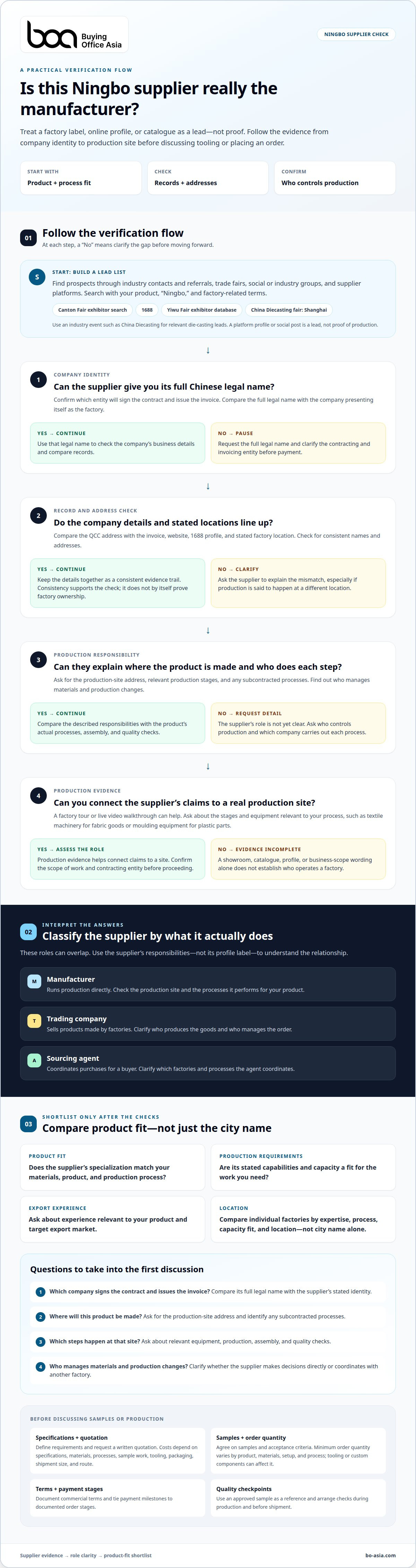
A manufacturer runs production directly, a trading company sells products made by factories, and a sourcing agent coordinates purchases for a buyer. These roles can overlap, so classify a Ningbo supplier by its actual responsibilities, not its profile label.
Start with the company’s Chinese legal name and business scope. Manufacturing terms meaning production, manufacturing or processing can support a factory claim, but wording alone does not prove that the company owns a facility. A supplier profile on 1688 also doesn’t establish factory ownership. Treat both as leads for further checks.
Check the supplier’s Chinese legal name and registration details in the official National Enterprise Credit Information Publicity System, using its company name or Unified Social Credit Code. A commercial database such as QCC can support research, but cross-check important details against official records. Compare the registered address with the invoice, website, 1688 profile and stated production site. Look for consistent legal names and addresses across those records. A mismatch needs an explanation, especially if the company says production happens somewhere different from its registered address. The contracting and invoicing entity should be clear before payment.
Ask focused questions that reveal who controls production:
Compare its full legal name with the company presenting itself as the factory.
Request the production-site address and identify any subcontracted processes.
Ask about the relevant equipment, process, assembly and quality checks for your product.
Clarify whether the supplier makes decisions directly or coordinates with another factory.
A factory tour, live video walkthrough or discussion about production stages can help connect a company’s claims to a real site. Ask to see equipment relevant to your process, such as textile machinery for fabric goods or moulding equipment for plastic parts. A showroom or catalogue demonstrates sales capability, not necessarily manufacturing capability.
A trading company may offer a useful product range and coordination, while an agent may represent your purchasing interests. The key is transparency: establish who selects the factory, controls specifications, communicates changes and receives payment. Record those roles in project documents, including any approved subcontracting.
For a structured review of supplier identities, addresses and factory evidence, discuss supplier verification support before committing to tooling or production.
Search queries work best when they combine the product, its production process and Ningbo. Searching for “manufacturer” alone can return broad directories, retailers and unrelated suppliers. Specific terms narrow results toward businesses that describe relevant production capabilities. When finding manufacturers in Ningbo, treat each query as a way to generate leads, not proof that a company makes your product.
Start with the product name, then add material, process or component terms. A buyer seeking a plastic collectible might search “plastic figurine injection moulding Ningbo factory.” For fabric goods, try “textile product Ningbo manufacturer.” A product with several parts may require separate searches for its main components, such as printed packaging, plastic mouldings or assembled goods.
Build query variations by changing one element at a time:
“sports figurine” or “collectible figure.”
“injection moulding,” “cut and sew” or “metal stamping.”
“Ningbo,” then a nearby district or town when one appears in a supplier’s details.
add “factory” or “manufacturer” to focus results on production claims.
Use the process your specification requires. “Plastic product” may be too broad, while “plastic injection moulding” names a manufacturing method. If you need a custom part, search for the process and part type together. For example, “custom plastic enclosure injection moulding Ningbo” can produce more relevant leads than “electronics supplier Ningbo.”
Run the same query across search engines, B2B platforms, social media and trade-fair exhibitor searches. Compare the wording suppliers use for their products and processes, then add useful terminology to later searches. A result that repeats your exact phrase may still be an intermediary, so retain the company name and stated production location for later checks.
Keep a simple search log with the query, platform, company name, product match and claimed factory location. Group results by process, such as textiles, electrical machinery or telecom equipment, rather than mixing unrelated suppliers. This makes gaps visible: if no prospect shows experience with your required process, broaden the search terms before expanding to other cities.
Improve search results through iteration. Replace generic product words with the material, component or manufacturing step that determines product fit, then compare supplier descriptions with your specification.
A matching product image can point to a potential supplier, but it does not prove which company made the item. Use reverse-image searches to find earlier copies, product pages, catalogues and repeated factory photographs. Treat each match as a lead, then compare it with the company’s stated products and production capabilities.
Start with a clear image of the product, preferably one showing distinctive features rather than a generic stock photo. Search the full image and useful crops, such as a unique handle, joint or printed mark. A product page may reveal a model number, packaging text or brand name that gives you more precise search terms.
Compare repeated visual details across the results. If the same workshop photo appears on several supplier websites, it may be a shared image rather than evidence of each company’s own facility. Check whether product photos repeat the same marks, backgrounds, props or framing. Record the page and company name beside each image match.
Product clues can also suggest which production capabilities to investigate. A visible seam may indicate how two parts join; a detailed painted figure may require moulding, finishing and decoration. Packaging can reveal inserts, printed components or assembly features. These clues help you ask focused questions, but do not establish the supplier’s equipment or process.
Use this image-review checklist:
compare dates and page context where available.
note model numbers, logos, labels and packaging text.
look for repeated photographs across different company profiles.
check whether the supplier’s catalog shows the same product features.
request relevant process information or a product sample tied to the claimed capability.
Suppose a Ningbo search surfaces the same collectible figure image in several catalogues. One listing includes a model number and close-ups of painted details; another shows only a cropped hero image. The first offers stronger clues for follow-up, but neither image confirms who made the product. Ask each company to explain its role and the processes used.
Protect licensed artwork during your research. Do not upload unreleased character designs or confidential product files to public image-search tools. Use public reference images or cropped, non-sensitive details instead. Once a supplier is under consideration, share controlled files through an agreed project process and track which artwork version supports each sample.
A useful shortlist ranks suppliers against your product requirements, not just their visibility in search results. Move from initial leads to focused discussions by recording evidence, comparing fit and sending each prospect the same brief.
Start with prospects from B2B platforms, trade fairs and industry referrals, then group them by product specialization and process. For each company, record its full Chinese legal name, stated factory location, product range, export experience and relevant equipment. This gives you a consistent basis for comparison and highlights gaps before you invest time in samples or tooling.
Review the company’s website for workshop and equipment pages, catalogs, addresses, domain-based email and telephone details. If an ICP filing number is displayed, compare its entity details with the company presenting itself as the supplier. Website details are supporting clues; neither a filing number nor its absence proves factory ownership or production capability. Compare the legal name and location across its website and supplier profiles. A factory claim on 1688 alone does not establish factory ownership.
Use a simple scorecard tied to your project needs. Record whether each supplier can meet requirements for materials, processes, component count, assembly, packaging and target quality criteria. Keep separate notes for evidence, unanswered questions and assumptions. Prioritize manufacturers whose documented specialization matches the product, rather than choosing only by quoted unit cost.
Send each prospect the same concise product brief so you can compare replies fairly. Include drawings or approved reference images, materials, dimensions, tolerances, decoration, packaging, expected order quantity and destination market. State whether you need a prototype, a golden sample, custom tooling or production of an existing design.
Ask who will manufacture the product, which processes take place at the stated site, and whether any work is subcontracted. Request a quotation that separates tooling, sampling, unit price, packaging and other project assumptions. Ask about minimum order quantities, capacity for your specification, export experience and proposed quality checkpoints.
Assess the response, not just the price. A useful reply addresses technical details, identifies open questions and explains how sample approval connects to mass production. If a supplier proposes changing the material, tolerance or construction, request the impact in writing before approving a revised specification.
Keep correspondence, quotations, drawings and sample feedback in one project record. Before tooling begins, document the agreed specification, sample status, intellectual-property handling, payment milestones and approval authority. This provides a clear baseline for production decisions.
Need support assessing Ningbo suppliers or organizing the next sourcing steps? Discuss your manufacturer shortlist.
Buying Office Asia helps turn Ningbo supplier research into a managed sourcing and production process. This is useful when your team needs local coordination to assess suppliers, align specifications and maintain oversight from development through shipment planning.
End-to-end sourcing and procurement connects decisions that can otherwise become disconnected. Supplier vetting and factory audits assess whether a prospective partner fits your product and production requirements. Product development and sampling support help translate your brief into a sample for review. After approval, production oversight keeps specifications, timelines and quality checkpoints in view as manufacturing progresses.
That continuity matters because changes after sampling can affect materials, tooling, decoration, assembly or packaging. Coordinated supplier management helps track changes, clarify responsibilities and follow corrective actions. On-site quality inspections provide evidence at defined production stages, while logistics coordination helps organize the handoff from completed goods to onward transport. An inspection is a snapshot of the goods checked, not a replacement for production follow-up.
For example, when sourcing custom merchandise, the approved sample can establish the reference for colour, finish, component fit and packaging. Production checks can then focus on those agreed criteria, while any proposed substitution or deviation is recorded for review. This keeps decisions connected instead of leaving the buyer to reconcile separate supplier updates.
Buying Office Asia also offers standalone inspections for companies that need a focused check rather than broader procurement support. An inspection can start from one inspector-day, with same-day reporting. Before arranging one, the work is scoped around the product and inspection requirements, factory access, inspection location, sampling or tests, and timing. This option suits a defined inspection need; ongoing supplier management and production follow-up require a broader scope.
The right level of support depends on where your sourcing process needs control. You may need help assessing a Ningbo supplier before tooling, coordinating development and production, or documenting product condition at an inspection point. Clear specifications, approved samples and agreed checkpoints give each activity a practical reference.
If you’re planning production in Ningbo or need a standalone inspection, contact Buying Office Asia to discuss your requirements.
Choosing a Ningbo manufacturer is not the finish line. The next decision is how much of the sourcing process your team can manage directly, and where local coordination can help keep product requirements clear as discussions move toward sampling and production.
Buying Office Asia provides sourcing and procurement support, including supplier communication and operational follow-through, while your team retains control of product requirements and approvals. The practical next step is a sourcing plan shaped around your product, order needs and decision process.
If finding manufacturers in Ningbo has surfaced a promising lead but left questions about supplier assessment or what comes next, bring your product brief, supplier details and key decisions into a discussion. Buying Office Asia can help you identify an appropriate way forward for your project. Contact Buying Office Asia about your Ningbo sourcing plans. A clear next step can help your team move forward with greater confidence.
Assess whether the factory can show a credible path from approved sample to finished production. Ask how it controls incoming materials, records production changes and handles nonconforming goods. Compare the answers with a sample or pilot run, including the product’s finish, assembly and packaging. A site visit or live walkthrough can add context, but judge the supplier against documented requirements, not presentation alone.
Ningbo has a varied manufacturing base, spanning industrial and consumer-oriented production. The right opportunity for a buyer depends on the product’s materials, processes and components, not simply its broad category. A finished product, for example, may require separate suppliers for moulded parts, printed packaging and assembly. Treat Ningbo as a sourcing location to investigate against your specification, rather than assuming a city-level industry label proves a particular factory is a good fit.
Request documents that match the actual product, model, materials and intended destination, rather than accepting a generic certificate as proof of compliance. Agree on the shipment document set before production, including who prepares each document and which order details it must match. Product type and destination determine which supporting records are relevant. Keep approved versions with the order file so you can compare the documentation with the goods prepared for dispatch.
Separate a company’s right to conduct business from its relationship to the production premises. Ask whether it owns or leases the facility, or contracts production elsewhere, and document the answer. To assess capacity, discuss the production schedule, equipment availability and competing commitments for your required process. A walkthrough can help establish whether the described workflow is plausible, while a sample run tests execution against your specifications.

Paying for a mould doesn’t, by itself, settle who owns it or controls its use. Protecting mould design in China means defining ownership, access, permitted use, storage and return in written agreements, then considering whether design patents, copyright or trade-secret protection also fit the produc...
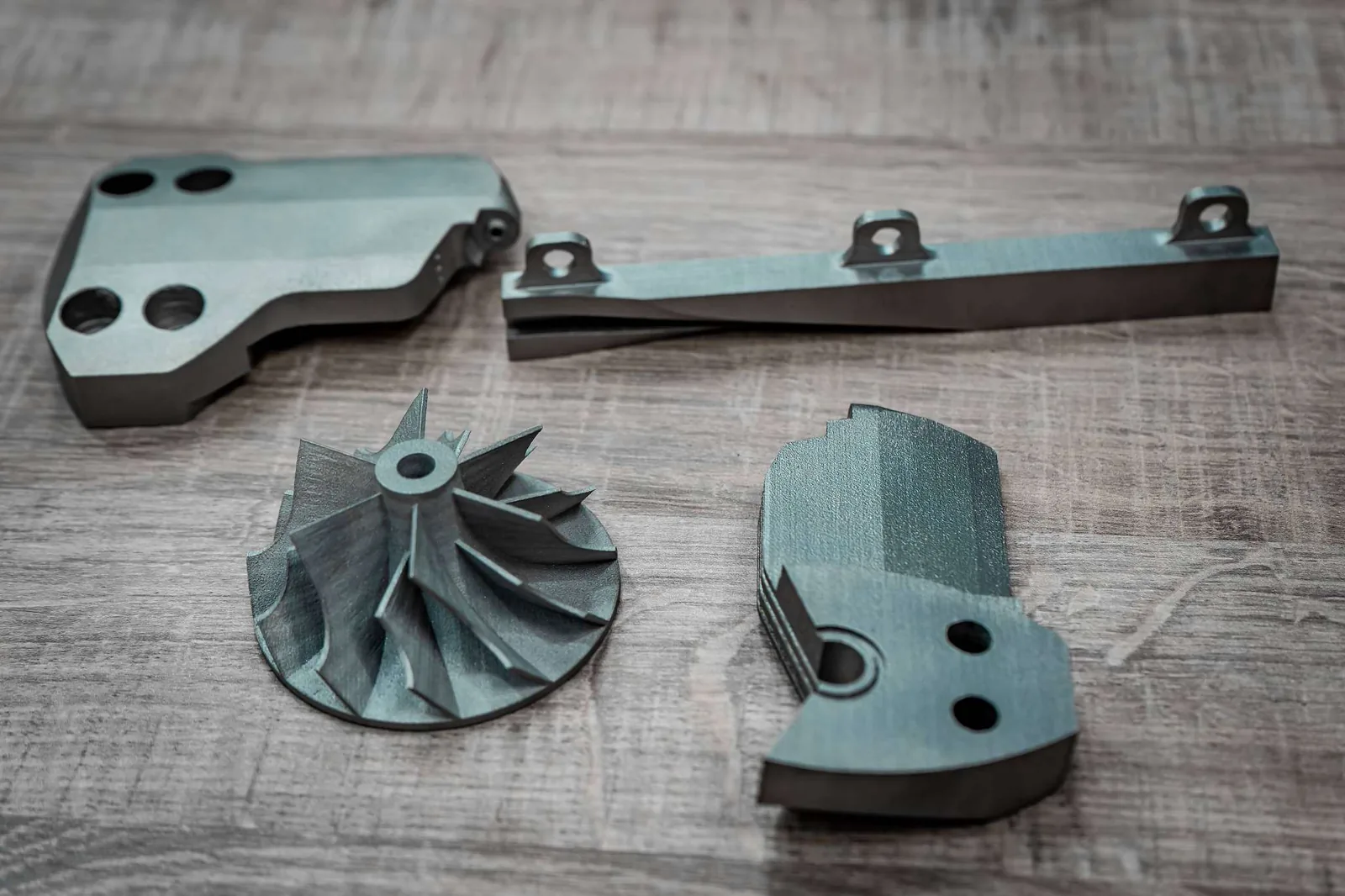
A perfect sample doesn’t prove a production run is under control. A golden sample in manufacturing is the approved physical reference for the product’s expected materials, dimensions, finish, function and packaging. It gives the buyer, factory and inspectors a shared standard, but cannot by itself s...
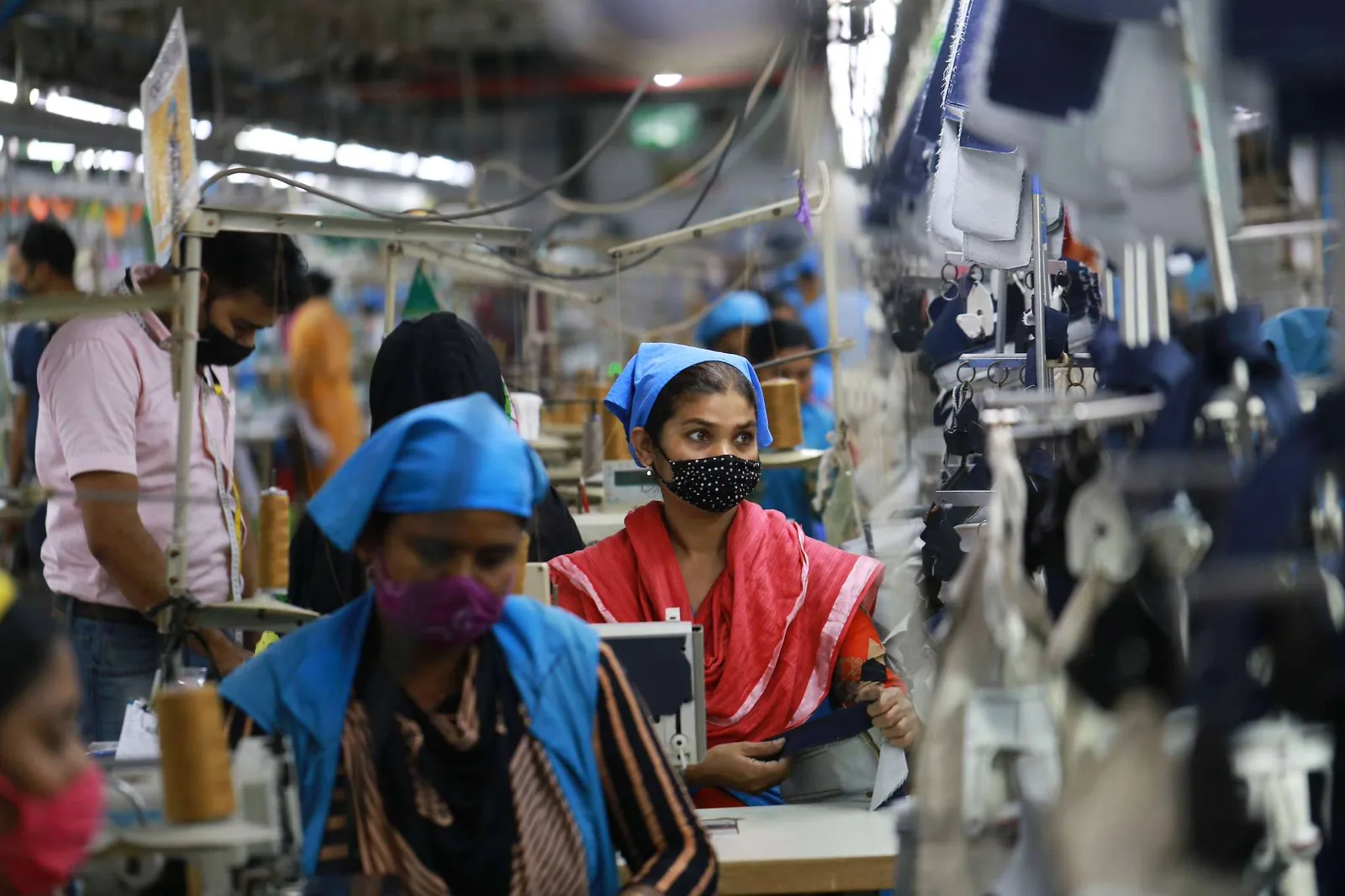
India’s textile advantage lies in the breadth of its materials and manufacturing capabilities, rather than in one fabric or production model. For brands considering textile sourcing from India, the country offers cotton, silk, synthetic fabrics and handloom production, with regional clusters such as...