


A polished factory sample can still be the wrong one to approve if it doesn’t reflect the materials, dimensions, and process planned for mass production. If you’re figuring out how to get product samples from Asian factories, the challenge isn’t simply getting a package delivered. It’s making sure the factory understands your requirements and that the sample gives you a reliable basis for a production decision.
It’s reasonable to expect clear answers about specifications, sample fees, revisions, and shipping, but details can become muddled across messages and time zones. Treat sampling as a documented decision point, not a miniature production order. This guide explains how to make a measurable sample request, compare the result against your requirements, record revisions, and decide whether the sample is ready for approval. You’ll also learn what to confirm about sample shipping and how to connect approval to mass-production oversight, so you can make a controlled decision before committing your production budget.
• Learn how to get product samples from Asian factories by preparing a brief that makes your product requirements clear and measurable.
• Confirm sample scope and feasibility with the factory, then keep a written record of requests, charges, and revisions.
• Choose between direct factory communication, marketplace coordination, and local sourcing support based on complexity, language needs, and oversight requirements.
• Use a consistent checklist to assess the sample, and keep any unresolved exceptions visible before approval.
• Understand how sample approval fits into production planning, and when repeated revisions or supplier uncertainty may warrant additional coordination.
A useful factory sample starts with a precise product brief. If you’re learning how to get product samples from Asian factories, make the brief your shared reference point. It reduces guesswork, gives the factory a clear basis for quoting and development, and helps you judge the sample against the product you intend to make. A product sample can help you assess workmanship, test function, or evaluate material suitability, so define what you need to learn from it before placing the request.
A sample brief is a written set of product requirements and acceptance criteria that tells a factory what to make and how you’ll assess it. Include drawings or annotated images, dimensions, materials, color references, finish, function, packaging, target market, and any labels, accessories, or components. Mark up images with arrows and notes, and use measurable criteria where possible, such as a specified dimension and its acceptable tolerance. “Smooth finish” can mean different things to different people; a reference image and a clear description narrow the interpretation gap.
Separate non-negotiable requirements from preferences. Identify required materials, functions, and packaging components as mandatory, while listing possible finish alternatives as options for the factory to discuss. Don’t leave the factory to infer which details can change. State the intended target market and any relevant product or labeling requirements you’ve confirmed for it.
Organize the requirements so the factory can respond to each one clearly. Attach the latest drawing, label files, and reference images, and identify their versions. List dimensions and tolerances, material and color requirements, finish, and functional expectations. Specify what must be included in the sample, such as packaging, labels, accessories, or other components. Flag unanswered questions for factory confirmation rather than treating an assumption as an agreed specification. For clarity, give each attachment a file name or version that matches the brief.
Ask the factory which sample type can answer your current questions. A stock sample lets you assess an existing product or get an initial view of baseline workmanship, but it may not reflect your custom specifications. A prototype helps you review a custom design or functional concept before details are finalized. A pre-production sample is a checkpoint against agreed production specifications. Confirm what the sample will and won’t represent, then record any differences before deciding whether it meets your brief. If a sample is missing a custom component or uses an alternative material, note that limitation before relying on it to approve the full design.
Once your brief is ready, use a clear sequence: send it to the factory, ask whether the requirements are feasible, agree exactly what the sample will include, then record the request in writing. Confirm the sample type, specifications, included components, and any known differences from the intended production version. This gives both sides a shared reference before work begins and makes it easier to identify where a later revision went off track.
Ask for a breakdown of charges rather than treating them as one total. Clarify which items relate to making the sample, courier delivery, or other costs, and confirm how payment and any potential credit against a production order are handled. Don’t assume these terms; get the factory’s explanation in writing. For country-specific commercial context, consult the International Trade Administration guides.
Ask the factory to confirm which specifications it can meet, list unresolved questions, and identify any proposed substitutions before making the sample. Assign each request a reference number, such as “Sample 01,” and keep dated photos, files, and correspondence under that identifier. This simple record helps prevent confusion if several versions or contacts are involved.
When revisions are needed, send consolidated feedback in one message. Replace “make it look better” with a precise observation, such as which area differs from the reference and what should change. Keep a change log with the version, issue, requested adjustment, and factory response. For example, record the location of a mismatch, the measurement or appearance you observed, and the change requested. That makes each revision traceable and helps you assess whether it solved the original problem.
Written approval should identify the exact sample version being approved. Include its reference number, date, and any accepted exceptions so approval can’t be mistaken for sign-off on a different version.
Compare the received item with the approved brief and request, not just with memory or a general impression. Check dimensions, materials, finish, function, packaging, labels, and included components. Record each defect or deviation with a close-up photo and a measurable description where possible. For example, identify the location and observed measurement rather than noting only that a part “seems too large.”
Separate acceptable differences from issues that need correction, and send the factory a single, prioritized list. If the product is regulated or safety-sensitive, confirm applicable requirements with qualified specialists rather than relying on a sample review alone. If repeated factory communication or physical coordination becomes difficult, Buying Office Asia’s product development and sampling support may be relevant to your project.
The right coordination model depends on how much interpretation and follow-up your sample requires. Straightforward products with settled specifications may be manageable through direct factory communication. Custom designs, language barriers, repeated revisions, or a need for physical oversight can call for additional coordination. Marketplace messaging may provide a convenient communication channel, but it doesn’t by itself verify who will make the product or confirm that a sample meets your requirements.
Use the same controls whichever route you choose: confirm the supplier’s identity, share an agreed specification, retain written responses, and keep approval in your hands. Sampling support can help coordinate development and communication, but it doesn’t replace your product specification or your decision to accept the sample.
| Coordination option | Responsibilities | Suitable situations | Key control points |
|---|---|---|---|
| Direct factory communication | You communicate requirements, clarify questions, and follow up on changes. | Specifications and communication are straightforward, with few expected revisions. | Verify the supplier’s identity, document specifications, and retain revision records. |
| Marketplace coordination | You use the platform to communicate with a supplier and track the exchange. | You’re identifying or communicating with suppliers through a sourcing marketplace. | Confirm the actual manufacturer, responsibilities, and agreed sample details rather than relying on the platform alone. |
| On-the-ground sourcing partner | A local partner can coordinate with the factory, clarify feedback, and support follow-up. | Product complexity, repeated revisions, language needs, or physical oversight increase coordination demands. | Define the partner’s scope, keep your specifications authoritative, and retain final approval. |
Direct coordination can work well when the product is simple, the requirements are settled, and the factory can respond clearly in writing. You still need to confirm the supplier’s identity and document what the sample must include. Direct contact alone doesn’t prove that a supplier has the capability to meet your requirements, or that the sample will match them. Verify both against evidence and agreed criteria.
Local coordination may help when technical details need clarification across multiple exchanges, or when physical follow-up is important. A partner can help keep feedback connected to the correct sample version and support supplier checks alongside sample development. Buying Office Asia offers supplier vetting and factory audits, as well as product development and sampling support. Confirm the specific activities available for your project, and keep your written requirements and approval decision in your control.
To decide how to get product samples from Asian factories, weigh complexity, customization, language needs, likely revision count, and the level of oversight you require. Choose the model that provides enough coordination to close information gaps without weakening your documented approval process.

Approval should be a documented decision against your agreed requirements, not a general impression that the sample looks acceptable. Use a checklist to compare the sample with the specification and record any exception before production planning moves forward.
Check dimensions, materials, colors, and other agreed requirements.
Confirm the product performs as intended under the checks relevant to its use.
Review workmanship and surface details against the agreed reference.
Confirm packaging, labels, accessories, and included components match the brief.
List every accepted deviation and any unresolved change. Don’t treat an open issue as approved by default.
Sample approval confirms the product direction; mass-production quality control checks whether actual batches conform to the agreed requirements. A single approved sample can’t prove that every unit in a later production run will match it. Retain the approved physical sample, clearly marked with its reference and version, alongside the versioned specification and approval record. These references give you a basis for comparing production output and discussing discrepancies.
Keep the sign-off concise but specific. Record the sample reference or version, review date, person approving it, criteria used, and any accepted deviations. Note outstanding changes and identify whether they must be resolved before production. End with an unambiguous decision: approval permits production to proceed, or another sample round is required. If approval applies only after specified changes, state that condition clearly and request confirmation once the changes are made.
Sampling helps you assess whether the product design, materials, function, and finish are moving in the right direction. Production inspection addresses a different question: whether items made in an actual batch meet the agreed standard. Keep both controls in your plan. For projects involving OEM and ODM manufacturing, define how the approved reference and specifications will be used during production oversight, and clarify the inspection scope before work begins.
If you’re deciding how to get product samples from Asian factories, make approval the handoff between development and production planning. Keep the record, reference sample, and specification aligned, then establish separate checks for production. Explore production oversight and quality-control services if your project requires coordinated support from sampling through manufacturing.
A sample is one decision point in a larger procurement process. Keep the handoff controlled: finalize the product brief, select the sample type that fits development, review it against agreed criteria, document approval, then move into production planning. Each step should leave a clear record the factory and your team can use.
Before placing or confirming a production order, check that the final specification matches the approved sample version. Record accepted deviations, close unresolved issues or explicitly carry them forward, and make sure the factory has the current files. Then agree who is responsible for production updates, inspection arrangements, packaging requirements, and shipment coordination. Clarify these responsibilities rather than assuming they are covered by sample approval.
Approval confirms that a particular sample meets the criteria you reviewed. It doesn’t guarantee that production will match it. Plan how production output will be monitored and how discrepancies will be raised and addressed. Keeping the sample, specification, and production instructions aligned gives your team a stronger reference point as the order progresses.
Repeated revisions, uncertainty about the supplier, or a technically complex product can add communication and coordination demands. Product development and sampling support can help manage factory exchanges and sample follow-up; supplier vetting and production oversight can also form part of a broader sourcing process. The appropriate scope depends on your product and project, so confirm which activities are available before relying on them.
An on-the-ground partner may be useful when closer supplier coordination or physical oversight is needed. Buying Office Asia has operations in Hong Kong and supports international buyers with product development and sampling, supplier vetting, sourcing, procurement, and mass-production oversight. This coordination can support your process, but it doesn’t replace your specification, approval decision, or agreed production controls.
If you’re working out how to get product samples from Asian factories and want to connect sample development with the next procurement steps, explore end-to-end sourcing and procurement. Consider how your product requirements, sample brief, supplier questions, and production needs fit together, then discuss those specific requirements with the sourcing team.
Knowing how to get product samples from Asian factories means more than requesting a prototype. A clear brief helps align factory expectations, documented revisions keep changes traceable, and written approval tied to a specific sample version creates a stronger handoff to production planning.
Keep sample approval separate from production verification. Retain the approved reference and specification, record accepted exceptions, and plan how production quality will be checked. That discipline gives you a practical basis for managing supplier communication and making decisions before committing further resources.
For projects that need added coordination, Buying Office Asia provides product development and sampling support, supplier vetting, and on-site quality inspections. Its Hong Kong operations and European leadership support international buyers coordinating with factories in Asia. The specific support available depends on your product and project requirements.
Discuss your product sampling requirements with Buying Office Asia, including your product, sample brief, and any questions about factory coordination. With clear requirements and a documented approval process, you can move forward with greater control and confidence.
Send the factory a concise brief with drawings or annotated images, materials, dimensions, finish, function, and packaging requirements. Ask it to confirm what it can produce, what the sample will represent, and which details still need clarification. Keep the request and factory responses in writing. For a custom product, agree how revisions will be handled, and identify the final reference sample by its version before approving it.
Include the product’s intended use, measurable specifications, dimensions, materials, colors, finish, components, and packaging. Attach clear drawings or reference images, and mark mandatory requirements separately from preferences. Ask the factory to flag assumptions or proposed substitutions before it starts making the sample. This gives both sides a shared reference for review and makes later feedback easier to explain, compare, and track across revisions.
There’s no universal number of sample rounds. The amount depends on product complexity, how complete your initial specifications are, and whether each version meets the acceptance criteria. Before work begins, agree on the review process, what revisions are in scope, and how approval will be documented. Treat every sample as a distinct version, with dated feedback and clear reasons for changes, rather than relying on memory or informal messages.
A sample can help you assess whether a product meets agreed requirements, but it can’t prove that every unit in a production batch will match. Confirm what the sample represents, retain the approved version, and document any accepted deviations. Plan suitable production oversight and inspection separately, especially for larger or higher-risk orders. This distinction keeps approval of one reference sample from being mistaken for verification of a full batch.
Request a prototype when you need to assess a custom design, early concept, or function that’s still being developed. A pre-production sample is more useful when specifications are close to final and you want to review a version against them before production. A stock sample can help you assess an existing product or baseline workmanship. Ask the factory what each option can and can’t validate for your specific project.
Compare the sample with the latest written specifications, including dimensions, materials, finish, function, and packaging. Record defects, accepted deviations, the sample version, and any changes still required. State the decision clearly: approved for production, or another revision is needed. Keep the approved sample and its documentation accessible for comparison later. Approval is not a substitute for separate controls to check product quality during production.
A sourcing partner may help if your project needs repeated revisions, closer factory communication, or local coordination. Buying Office Asia offers product development and sampling support, supplier vetting, and on-site quality inspections. Its operations in Hong Kong and European leadership support international coordination. If you’re considering how to get product samples from Asian factories with additional support, first confirm the available project scope, responsibilities, reporting, and fees. You retain authority over the requirements and final approval.

A supplier listing can open a door, but it can’t show whether a factory is right for your order. Choosing a ningbo sourcing agent means looking beyond access to local suppliers: you need clear oversight of supplier vetting, production follow-up, and quality checks. Without defined responsibilities,...

What if the supplier with the strongest online profile isn’t the factory best suited to your shoes? In footwear manufacturing in China, a directory listing can start your search, but it can’t confirm who will make your product, whether the factory can handle its construction and materials, or how cl...
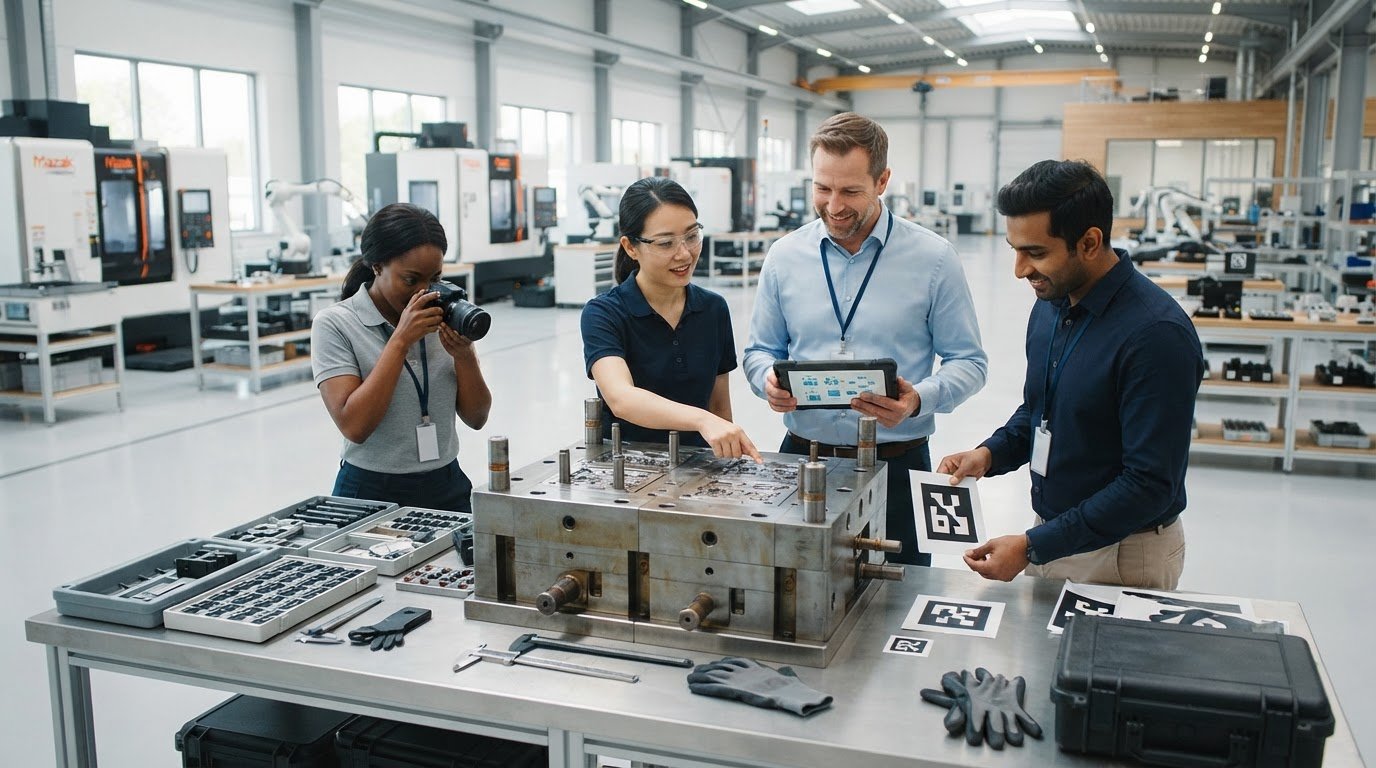
What if the mold you paid to develop couldn’t be released when you needed to change suppliers? Managing tooling and molds with a foreign factory means more than tracking where production equipment is stored. Payment alone may not establish clear ownership, access, or transfer rights. Without visibil...