
Browse articles in this category or search the archive.

What if the main gap in your Asian supply chain isn’t distance, but the lack of someone accountable between your decisions and the factory floor? Remote updates can keep a project moving, yet may not show whether a production change was approved, a price reflects the factory’s actual terms, or a qua...

What if the factory’s lowest quote isn’t the lowest-cost option? A lower unit price can hide differences in materials, tooling, packaging, quality checks or production terms. Understanding how sourcing agents negotiate factory prices starts with making those differences visible, not simply asking a...

Trade Assurance can help protect a transaction, but it can’t prevent a delayed or defective order from disrupting your production schedule. When a claim doesn’t resolve the problem as expected, you still need to manage cash flow, customer commitments, and the next steps in your supply chain.If you’r...
What if the safest payment deal isn’t the one that delays the most cash, but the one that releases it only when progress is verifiable? Payment terms negotiation with Asian suppliers is about balancing your working capital with the supplier’s need for confidence, not simply pushing for a smaller dep...

What if your biggest supply chain risk isn’t the supplier you chose, but what you can’t see after the order is placed? Asia procurement services can connect supplier selection with factory follow-through, giving you clearer visibility into production, product quality, and responsibilities along the...

What if the lowest supplier quote becomes the most expensive choice once quality issues, delays, or unclear charges surface? Successful supplier price negotiation isn’t about securing the smallest unit price at any cost. It’s about understanding what the quote includes and agreeing on terms the supp...

Traditional sourcing agents don't protect your supply chain; they monetize your blind spots. If you manage overseas production, you already know the frustration of watching landed margins erode beneath hidden intermediary markups, communication barriers, and unexpected defect rates. The fundamental...
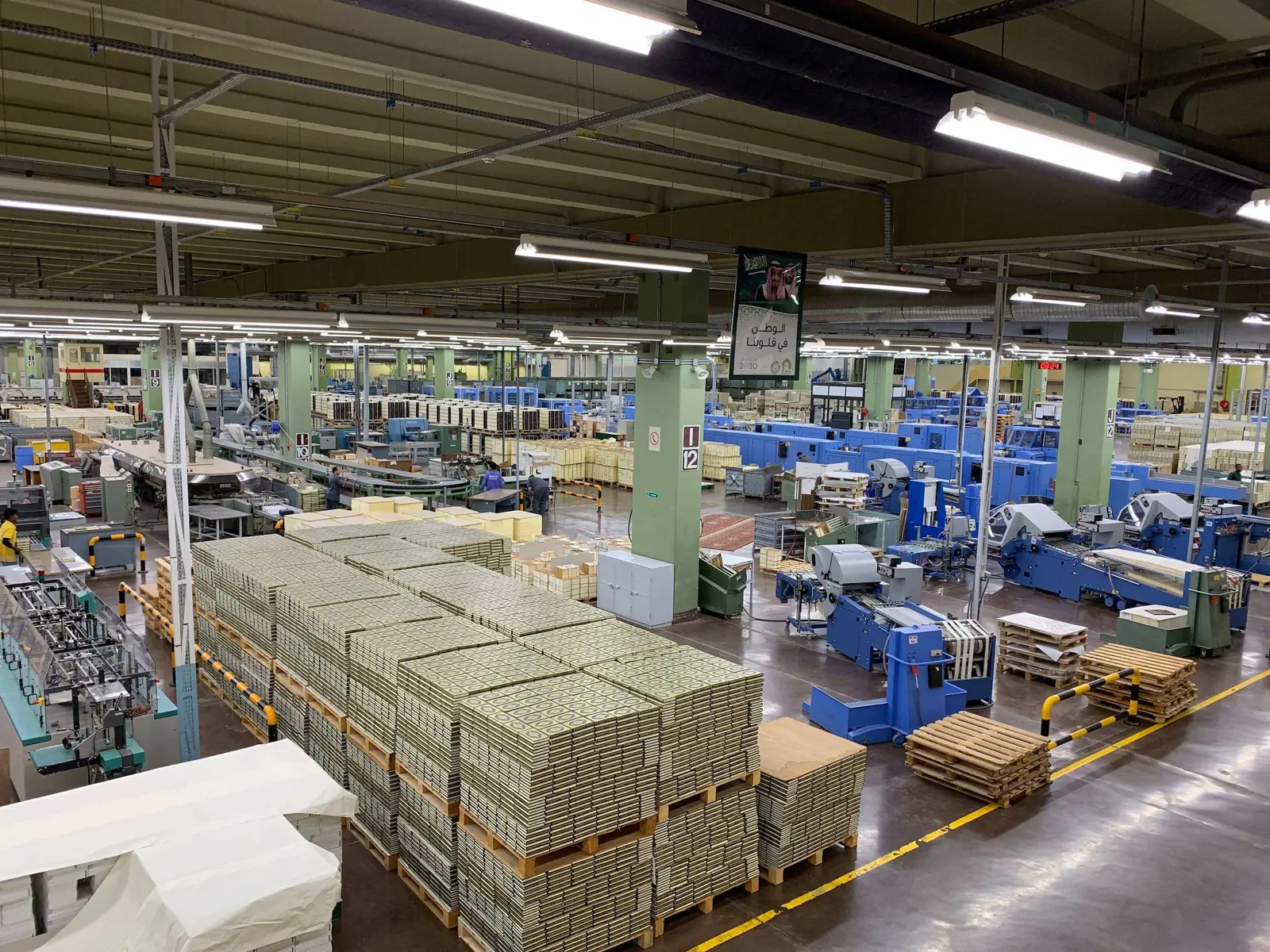
Scaling production to millions of units isn't a purchasing task; it's a high-stakes risk management discipline where a single percent of quality fade can liquidate your annual margin. You likely understand that the leap from mid-scale orders to massive procurement runs often exposes cracks in even t...

If your procurement strategy relies on digital communication across twelve time zones without physical eyes on the factory floor, you aren't managing a supply chain; you're managing a series of expensive surprises. By 2026, the global procurement outsourcing market is projected to reach 7.18 billion...

The million-dollar procurement suite you just licensed cannot walk onto a factory floor in Ningbo to verify a production line. While software provides data, it often fails to provide the ground-level truth needed to secure genuine factory-direct pricing in Asia. You've likely realized that managing...

You might think that moving production closer to home is the only way to reclaim control over your supply chain in 2026. While nearshoring dominates the headlines, the strategic advantages of sourcing from Asia have actually intensified for high-volume manufacturers who prioritize long-term viabilit...
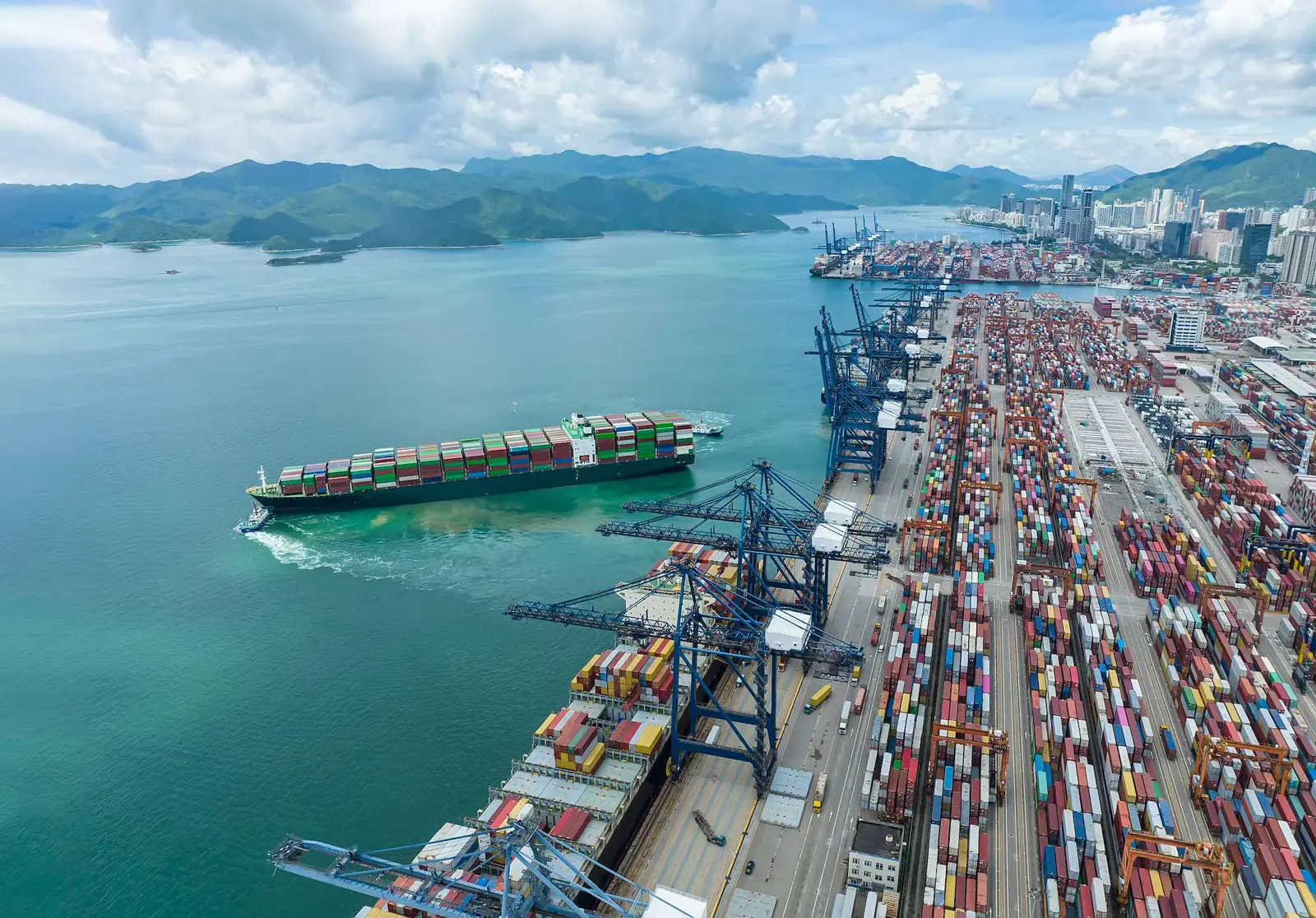
In 2026, the traditional intermediary model isn't just inefficient; it's a direct threat to your company's financial health. You've likely felt the sting of opaque pricing from trading companies or the anxiety that follows a report of quality defects in a mass production run. It's a common struggle...