

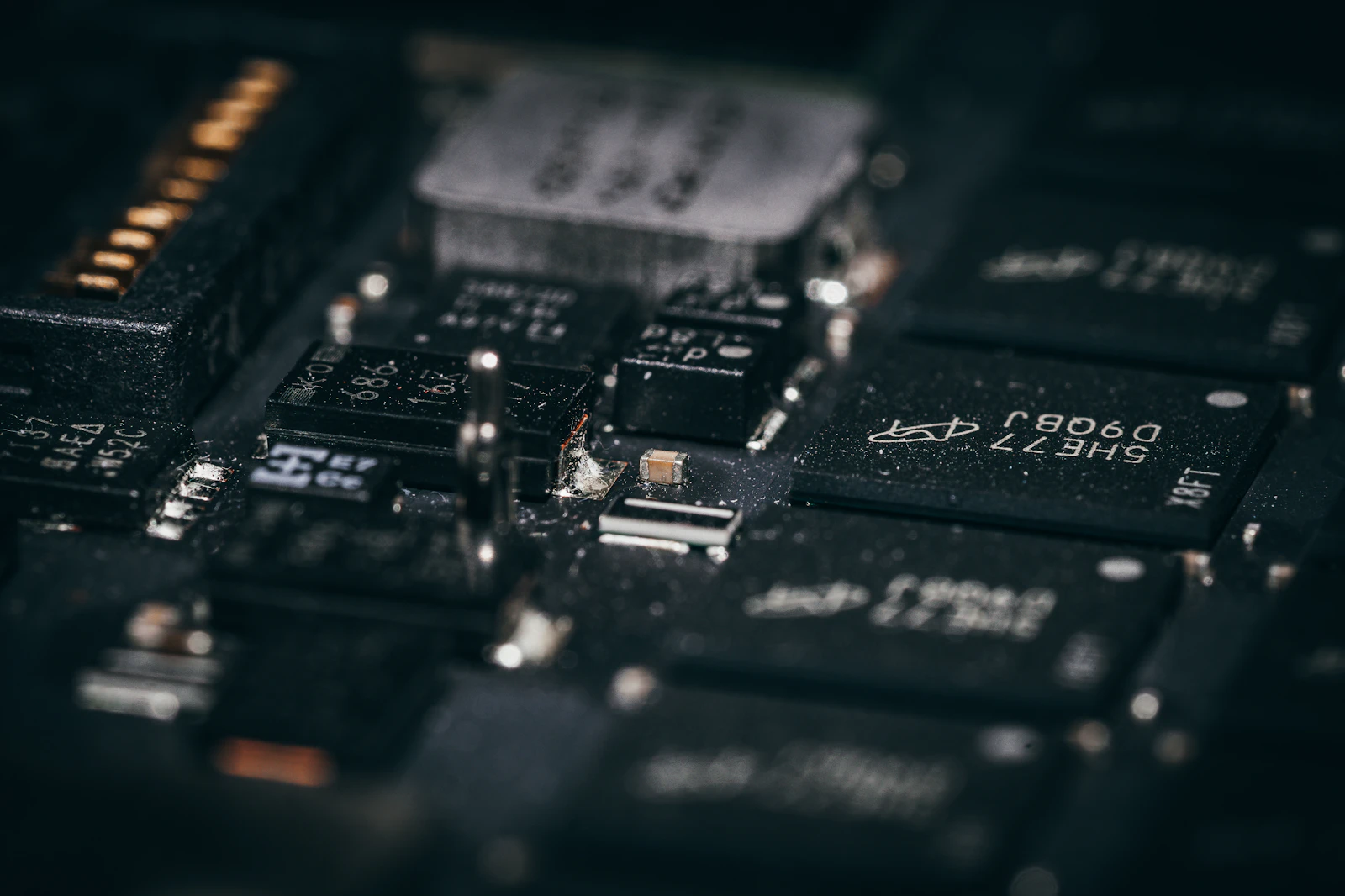
Choose the production base by matching the product’s requirements to the work each supplier actually performs. The best fit for electronics manufacturing in Asia depends on what you’re making: China offers a broad electronics supply chain, Taiwan is strongly associated with semiconductor production, and markets such as Malaysia, Vietnam, Singapore, South Korea and Japan bring different strengths.
Choosing a location is only part of the decision. Match supplier capabilities to your board design, component needs, production volumes, development support and quality requirements. Also understand where the supply chain depends on partners in other markets.
This comparison explains how Asian markets differ across electronics supply chains, PCB production, research and development, exports and consumer-device manufacturing. Use the practical criteria here to narrow your shortlist and assess whether each supplier’s strengths fit your product, production plan and risk controls.
• Match your product’s component, board, development and production needs to the strengths of each market, rather than choosing on export scale alone.
• Separate semiconductor and PCB requirements from final device assembly when comparing supplier capabilities across Asia.
• Assess how research and development support connects to manufacturing, including design changes, prototypes and production handover.
• Use export figures as context, then weigh supplier fit, production structure and the markets your product needs to serve.
• Build your shortlist around clear specifications, quality checkpoints and coordinated supplier oversight.
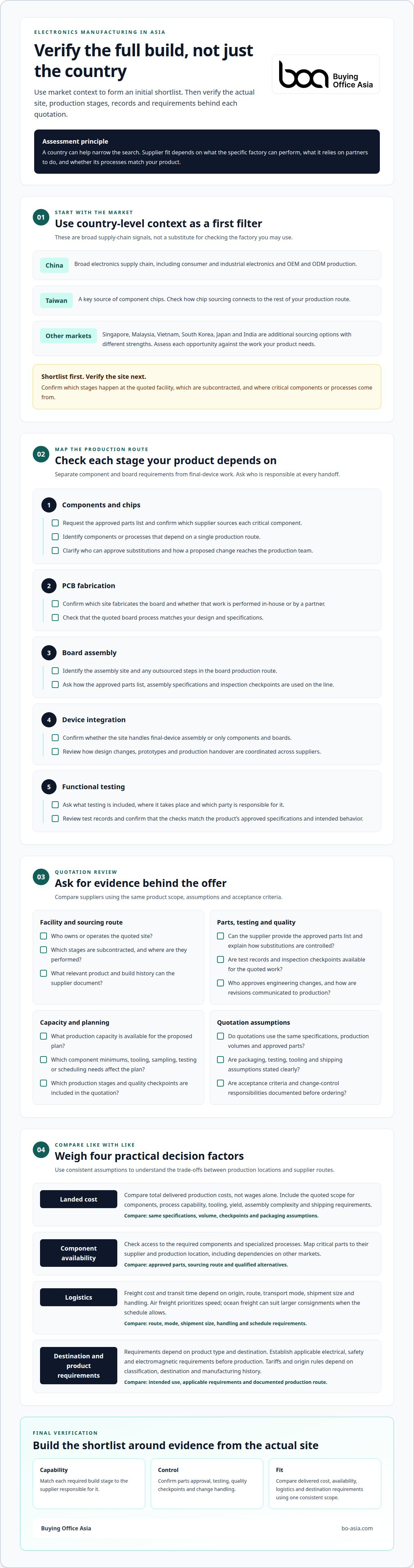
Asian electronics supply chains span component production, board assembly, semiconductor operations and finished-device manufacturing. The right hub depends on which stages your product needs nearby.
Asian manufacturing hubs differ in their roles across electronics production. China offers a broad supply chain serving consumer and industrial electronics, including OEM and ODM production. Taiwan is a key source of component chips. Singapore has suppliers in wafer fabrication and semiconductor assembly and test; confirm the specific site and process. Malaysia and Vietnam also feature in regional electronics exports, while South Korea, Japan and India provide additional sourcing options.
For shipments to the US, freight costs and transit times depend on origin, route, transport mode, shipment size and handling. Air freight prioritizes speed, while ocean freight can suit larger consignments when the schedule allows.
Manufacturing investment builds capacity, equipment and supplier networks, which can support resilience when production needs change. Singapore’s Economic Development Board describes electronics manufacturing services from new product introduction to final assembly; confirm which stages the quoted site can handle. The scale and type of investment matter: wafer fabrication serves different needs from board assembly or finished-device production.
To build resilience, map each critical component to its supplier and production location. Identify dependencies, such as a specialized semiconductor or board process sourced from one market. A second qualified source can reduce reliance on a single production route, but it must meet compatible specifications and receive approval.
China, Vietnam, Taiwan, South Korea, India and Malaysia have different labor, factory and operating-cost structures. Compare total delivered production costs, not wages alone. Component availability, process capability, tooling, yield, assembly complexity and shipping requirements all affect the calculation.
Labor-intensive assembly and semiconductor fabrication have different cost drivers. A factory’s location can also affect access to specialized suppliers and equipment. Request comparable quotations using the same product specifications, volumes, quality checkpoints and packaging assumptions. Consistent assumptions make bids easier to interpret and help avoid comparing different scopes.
Import tariffs and rules of origin depend on product classification, destination and manufacturing history. The final assembly location alone may not determine origin, so keep component and processing records to support customs declarations. Trade agreements can affect how a product is treated, so assess the finished product and its documented production route.
Regulatory requirements and certifications depend on product type and destination market. Define the intended use and applicable electrical, safety and electromagnetic requirements before production. Factory timelines and minimum order quantities also vary with component minimums, tooling, sampling, testing and production scheduling.
Typical production steps include design review, prototype approval, component sourcing, assembly, inspection and packing. Lock specifications and acceptance criteria before ordering; changes after sampling can affect tooling, materials and schedule. A documented OEM and ODM manufacturing plan helps align product requirements with supplier processes.
Research and development may take place in a different market from manufacturing. For electronics, break the work into product architecture, component selection, circuit design, board layout, prototyping, testing and production engineering. Map each activity to the responsible supplier to see where technical decisions are made and who owns changes. A factory that assembles boards may not control component design or product firmware.
Access to process knowledge matters when moving a design from engineering to production. For your project, establish who owns the design files, who can approve substitutions and how engineering changes reach production teams.
A fabrication site's advertised process capability is only a starting point. Confirm that the component is qualified for your design and available through an approved supply channel. Match the required chip, process and supply arrangements to the actual design before selecting a production location.
For a new device, connect design choices to manufacturability early. A component that fits the schematic may still complicate sourcing, board layout or assembly. Have the engineering team review the bill of materials, component footprints, thermal needs, connectors and test access together. This can reveal conflicts before tooling, board fabrication or production scheduling begins.
Prototypes turn those decisions into a physical review. Compare each assembled sample with approved drawings and specifications. Check connector fit, enclosure alignment, cable routing, board stability and software behavior. Record defects and change requests against specific revisions. Keep the approved sample, files and change log aligned so the factory doesn’t build from outdated artwork or board data.
Before scaling, define the handover from development to production. Agree on the released bill of materials, approved component alternatives, assembly instructions and inspection criteria. A change from one capacitor supplier to another, for example, may affect fit or performance. Require documented approval for substitutions and track revisions across purchasing, engineering and the factory floor.
Compare suppliers’ development capabilities by responsibility, not location alone. Determine whether each can support design review, sample builds, testing coordination, process planning and production feedback. Assign clear ownership for every deliverable, revision and decision. This helps distinguish a design partner from a contract assembler and shows where specialist support is needed.
If you need help aligning product specifications, samples and factory handover, discuss your product development needs with the team.
For a shortlist in China, separate board fabrication, assembly and final testing. Ask for the site and process owner for each step, including subcontractors, and check that the quotation covers the same scope as competing offers.
China’s electronics industry serves consumer and industrial electronics. Its activity also spans AI, 5G, electric vehicles, the Internet of Things and smart manufacturing. This range can support products that need more than final assembly. Yet each factory’s actual processes matter. A supplier experienced in consumer devices may not have the equipment or engineering expertise your industrial design requires.
A mature supply chain, skilled labor force and government policies support China’s electronics industry. These factors provide context for the country’s manufacturing base, but they don’t verify an individual supplier’s capabilities. Assess the factory’s process experience, equipment, component access and production controls against your bill of materials.
Chinese electronics companies offer OEM and ODM services, high-mix, low-volume production and turnkey electronic manufacturing solutions. Each model suits different procurement needs. OEM production focuses on building to your design; ODM work can include supplier-led product design. Turnkey solutions may coordinate multiple production inputs. Before comparing proposals, define who owns design decisions, component selection, substitutions and final assembly.
Do not assume a board assembler can secure the specified chips. Ask for approved distributors, lead-time evidence and a documented approval process for alternatives. This distinction matters when a device depends on particular chips. Match the required semiconductor to its process and availability, then examine how it reaches the board assembler. Export statistics for finished electronics don’t establish chip supply for an individual project.
For your shortlist, divide the product into production stages: critical components, PCB fabrication, board assembly, enclosure production, testing and final packing. Note the required process at each stage, then map suppliers and locations to those requirements. This shows whether one factory covers the work or production relies on a wider supplier network.
China’s export scale can make it a strong candidate, especially when several production stages need coordination. Still, compare quotations on equal terms. Use the same drawings, component specifications, order assumptions, testing criteria and packaging details. Ask each supplier to identify excluded processes and proposed substitutions. A lower headline quotation may reflect a narrower scope, not a more efficient production plan.
Verify the exact component and manufacturing process your product needs. Review sample builds, approved component lists and change-control procedures. Those records connect China’s broad export position to the requirements of your own electronics project.
Consumer devices combine components, electronics, software and enclosure work. Production location matters because these stages may involve different suppliers.
Consumer electronics production includes personal devices such as smartphones, telecommunications equipment and household electronics. A finished device depends on coordinated parts and processes. For a mobile product, map the display, circuit board, power system, enclosure, software loading and final testing to named suppliers. This reveals handoffs that a single “assembly location” can conceal.
For a consumer device, evaluate the supplier’s actual role: does it assemble components, integrate the whole device, or also manage functional testing? Define those responsibilities before comparing locations.
Product design also affects factory fit. A compact device with a display and multiple connectors requires different assembly controls from a simple electronic accessory. Give candidate suppliers the same product requirements and revision-controlled drawings. Ask which processes they perform in-house, which stages they outsource, what testing they cover and where your approval is required.
Production locations show where each device component and manufacturing stage is handled. This matters because a product’s final assembly country may differ from the locations supplying its board, display or other parts. Create a stage-by-stage map instead of treating the factory address as the complete origin of production.
Distinguish display production from finished-device assembly. If your design uses a display, document its supplier, integration process and acceptance checks separately. That record helps clarify who owns defects discovered during assembly or final testing.
For each location under consideration, compare the supplier’s equipment and process experience with your device’s specific needs. Request a process flow covering incoming components, board integration, enclosure fit, software loading and final inspection. A factory that performs one stage may still depend on other sites for parts or specialist work.
Country reputation alone is not a production plan. For sourcing, focus on the specific factory relationship, approved component sources and documented change controls. Identify who informs you when a supplier or production stage changes.
Use a comparison sheet for each candidate, covering product category, factory location, production stages, subcontracted work, sample approval and testing ownership. For a smartphone, trace the display and board through final assembly. For telecommunications or medical electronics, document the product’s distinct functional requirements before selecting a production partner.
Asia’s electronics hubs differ in export profiles, production specializations and supplier networks. Export values help compare their scale, but they don’t identify the best factory for your product. Use them to narrow the landscape, then assess whether suppliers meet your component, process, quality and delivery requirements.
For suppliers in Taiwan, confirm whether the quote covers component sourcing, PCB fabrication, assembly or all three. Distinguish chip sourcing from board assembly and finished-device production when building a supplier map.
For shortlists in South Korea and Japan, identify the exact components or manufacturing steps for which you are evaluating each supplier. Your product may need a particular component or process, so compare suppliers’ production scope rather than treating national export share as a capability rating.
For shortlists in Malaysia, Vietnam and Thailand, compare site-level evidence: recent builds of similar complexity, test fixtures, approved component sources, subcontracted operations and capacity for the proposed order.
Singapore offers a different comparison point. When evaluating a Singapore site, distinguish engineering and pilot build support from volume assembly. Ask whether the same site owns both and how process validation transfers if production moves.
Singapore also has semiconductor design activity. Fabless companies design chips but rely on other firms for fabrication. This distinction matters when evaluating component development. Chip design presence doesn’t itself establish where a device’s board or finished assembly will be produced.
For a practical comparison, distinguish each candidate’s role: semiconductor production, components, PCB fabrication, assembly or finished products. Record the factory location for every stage. A product assembled in one country may rely on chips or boards from another. Mapping production clarifies supplier dependencies and helps determine whether a proposed location fits.
Use export figures as a screening tool, not a final decision. Compare the same bill of materials, product specifications, sample requirements and inspection criteria across suppliers. Ask each factory to identify subcontracted stages and component substitutions. This makes bids more comparable and reveals gaps between a country’s export profile and a factory’s actual capabilities.
To choose among Asian manufacturing hubs, weigh process fit, component access, supplier coordination and destination-market requirements. A country may be strong in exports but unsuitable for a particular design. Tie your shortlist to the production stages your device requires, then assess factories against them.
Buying Office Asia helps turn a regional shortlist into a coordinated sourcing and procurement plan. When an electronics project spans suppliers, components or production locations, end-to-end support brings procurement decisions into one managed process. A dedicated Asia procurement team can assess supplier fit, coordinate high-volume sourcing and support factory-direct price negotiations.
This approach is useful when you need consistent specifications across multiple suppliers or clearer oversight of sourcing decisions. You retain visibility into choices that affect production while the team coordinates procurement around your requirements.
For a defined sourcing project or broader manufacturing plan, contact Buying Office Asia to discuss your requirements.
Use your comparison to define what the next supplier conversation must resolve: which production stages need oversight, what decisions require your approval and how changes will be documented. A clear decision framework makes electronics manufacturing in Asia easier to manage across suppliers and locations, without treating the country choice as the whole sourcing strategy.
Buying Office Asia supports this next step with end-to-end sourcing and procurement, high-volume sourcing and a dedicated Asia procurement team. This support connects supplier selection and purchasing decisions to your production requirements, giving your team a clearer basis for moving from evaluation to execution.
Bring your product requirements and sourcing priorities into the discussion, then decide what level of coordination fits your project. Contact Buying Office Asia to discuss your sourcing needs and take the next step with a practical plan.
The strongest ecosystem is the one that can meet your component requirements and documentation needs. Compare candidate suppliers on access to approved parts, component traceability, engineering support for obsolete components and communication of product-change notices. A device with a long service life, for example, needs a different sourcing plan from a short-run consumer product. Assess these factors alongside factory production capabilities.
Start with a controlled RFQ that includes drawings, a bill of materials, revision details, expected volumes and acceptance criteria. Compare responses for process scope, component sourcing, subcontracting and proposed substitutions. Review production records and sample builds, then assess factory processes and quality controls against your product requirements. Buying Office Asia provides supplier vetting and factory audits to support manufacturer selection and sourcing decisions.
Disruptions can affect production access, schedules, component availability or cross-border movement. Set an escalation path before production starts: name decision-makers, define how delays are reported and agree when work pauses or resumes. For quality issues, document corrective actions, owners and evidence of closure rather than relying on verbal updates. Keep current production records and key technical files accessible to your team so a disruption doesn’t leave critical decisions or recovery steps unclear.
Requirements depend on the product and destination market. Define the intended use and applicable electrical, safety and electromagnetic requirements before production. Tariffs and rules of origin also depend on product classification and manufacturing history.
Minimum order quantities and timelines vary with component minimums, tooling, sampling, testing and production scheduling. Typical steps include design review, prototype approval, component sourcing, assembly, inspection and packing.
Shipping costs and transit times depend on origin, route, transport mode, shipment size and handling. Air freight prioritizes speed, while ocean freight can suit larger consignments when the schedule allows.
Import tariffs and rules of origin depend on product classification, destination and manufacturing history. Final assembly location alone may not determine origin. Keep component and processing records, and assess whether applicable trade agreements affect the finished product’s treatment.
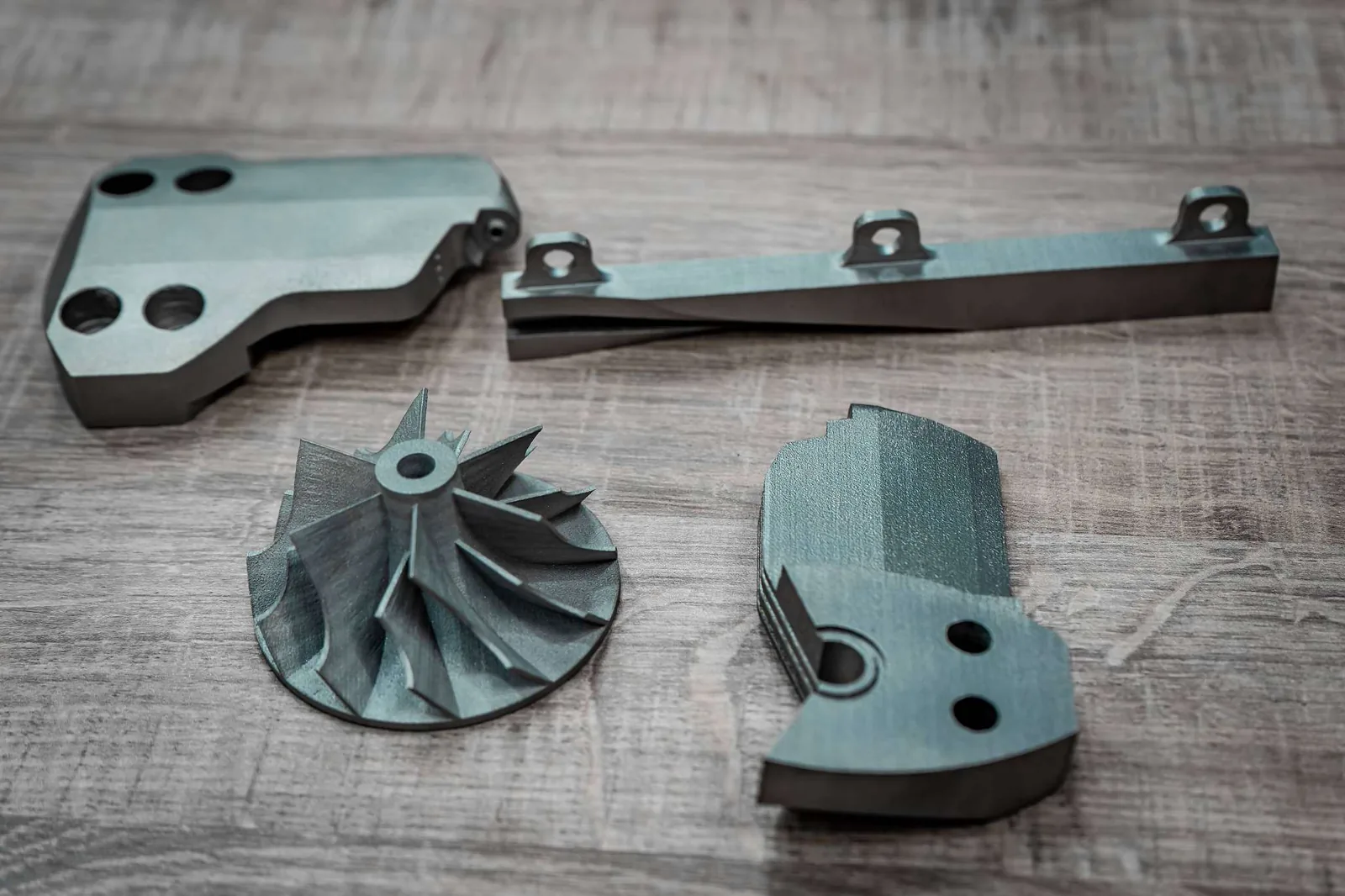
A perfect sample doesn’t prove a production run is under control. A golden sample in manufacturing is the approved physical reference for the product’s expected materials, dimensions, finish, function and packaging. It gives the buyer, factory and inspectors a shared standard, but cannot by itself s...
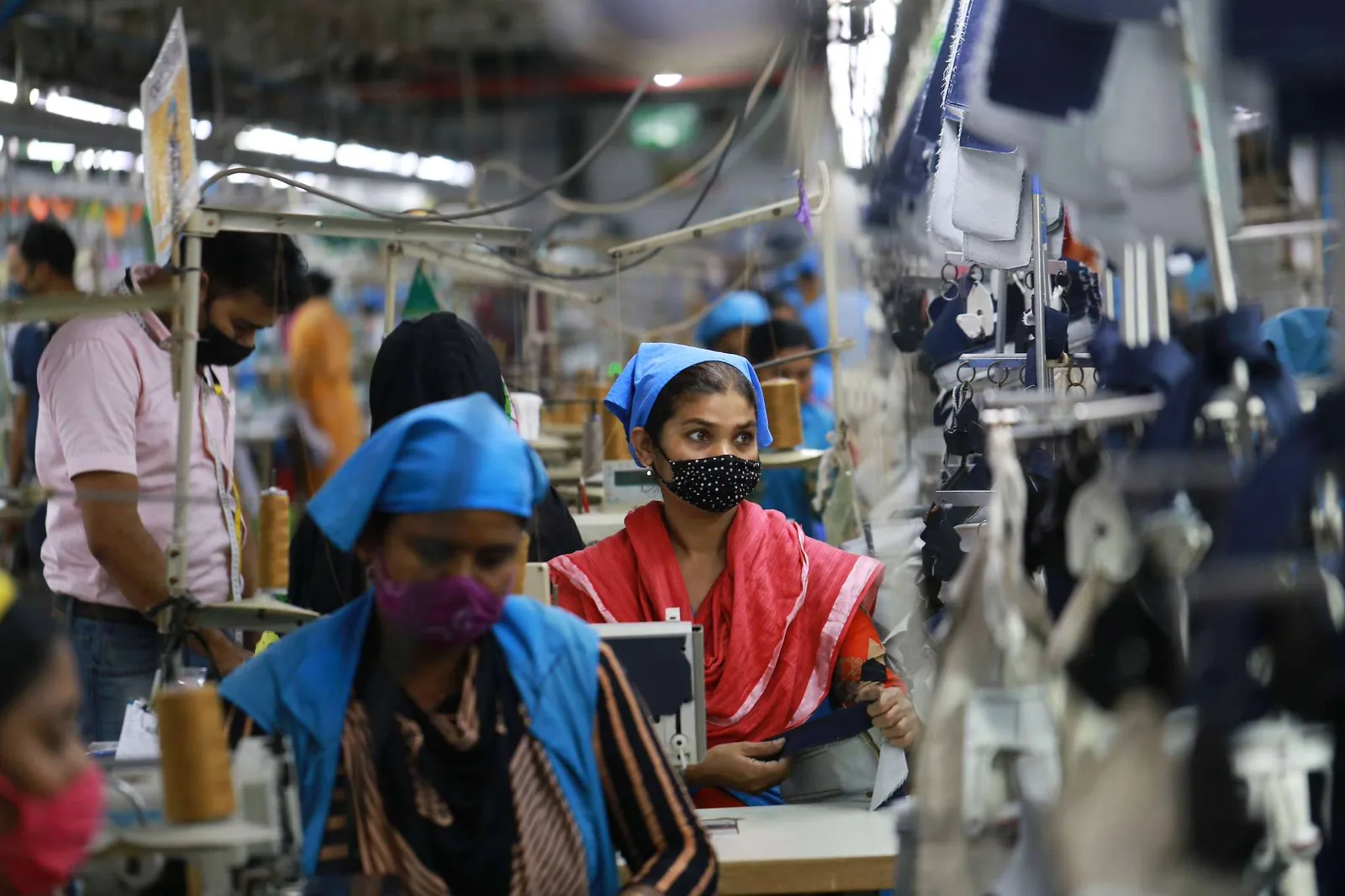
India’s textile advantage lies in the breadth of its materials and manufacturing capabilities, rather than in one fabric or production model. For brands considering textile sourcing from India, the country offers cotton, silk, synthetic fabrics and handloom production, with regional clusters such as...

Furniture manufacturing in Indonesia can support custom and private-label orders using materials such as teak, mahogany, mindi, suar, acacia, rattan, and natural stone. Cirebon is one of the country’s furniture-making regions, alongside Jepara, Bali, and Yogyakarta. The right production plan matches...