


A custom gaming product succeeds or stalls on the clarity of its brief. A gaming merchandise manufacturing brief should turn the design into a buildable specification: product type, artwork files, materials, decoration, sample-approval criteria, target order quantity and milestone dates. Manufacturers can then assess the same requirements, making their proposals easier to compare.
It’s understandable to focus first on finding a factory. But a shortlist is useful only when every manufacturer is responding to a clear scope, especially for designs involving detailed figurines, multi-part products or custom packaging. Gaps in the brief can surface later as sample changes, cost adjustments or schedule pressure.
This article explains how to prepare artwork and product specifications, compare manufacturing methods, and assess minimum order quantities and launch costs. It also covers sample approvals, production milestones and the questions that help you move from a promising concept to a controlled production plan.
• Build a launch timeline around sample approval, production milestones and confirmed stock arrival, rather than relying on an assumed factory schedule.
• Compare minimum order quantities and launch costs against materials, tooling, component count, assembly and packaging requirements.
• Choose a decoration method based on the design, product material, finish and production needs, then approve a physical sample before bulk production.
• Give manufacturers clear artwork files and specifications, including dimensions, colors, tolerances, packaging and approval criteria.
• Bring in coordinated sourcing and procurement support when supplier selection, production follow-up and quality checkpoints need to work as one process.
Launch timing depends on product complexity, sample revisions, production approvals and delivery. If a tournament or game release sets the sales date, plan backward from the confirmed arrival of stock.
Production approval is the documented sign-off that a sample, artwork and specifications are ready for manufacturing. It matters because changes after sign-off can affect the production schedule and reorder plan. Ask the supplier to date each milestone, from file release and sample approval to tooling, production, inspection and delivery. Confirm which steps can overlap and which must finish before the next begins.
Tooling, component availability, sample revisions, decoration and transport shape the schedule. For a reorder, ask the supplier to confirm capacity, material availability and any changes to the approved design before committing to a delivery date. Put approval dates and responsibilities in the project plan, so feedback does not sit unresolved between the studio and manufacturer.
For a tournament deadline, a simpler product with approved artwork and no new tooling is easier to schedule than a complex collectible. Set the public launch date around confirmed stock arrival, not an estimated production finish. If the date is fixed, allow time for sample review, production checks and delivery before announcing a drop.
Streamers commonly launch apparel, caps, desk accessories and collectibles. Domestic manufacturers can make communication and sample review more direct, while overseas manufacturers can support custom production and volume. Compare the full schedule, production capabilities, sample process and delivery plan rather than choosing on unit cost alone.
For a phased demand test, set the assortment and quantities against your budget and the supplier’s minimums. Decide what sales, returns and customer feedback would justify a reorder before the test begins. Use sales by design and product to decide what to replenish. Avoid treating early interest as proof that every size or item will sell at the same rate.
A custom manufacturing brief for OEM and ODM production helps manufacturers assess the same product scope. Include the intended materials, artwork, packaging and order quantities so the proposed route reflects the actual merchandise.
Licenses and intellectual property permissions determine which game artwork, characters, logos and names may be manufactured. Secure written rights for the intended products, sales channels and territories, and follow the rights holder’s approval process for artwork and samples.
From concept to delivery, the key steps are specification, artwork approval, sampling, production release, quality checks, packing and transport. Unclear acceptance criteria or inconsistent decoration can lead to defects; unresolved revisions or production changes can cause delays. To reduce counterfeit risk, control artwork files and compare finished goods with the approved design.
A launch budget should separate product development, production and delivery to customers. For each item, list sample and setup expenses, unit costs, packaging, freight, storage and fulfillment. A custom figurine may involve tooling and assembly, while a printed shirt has different setup and production requirements. Comparing total costs by product helps show which design makes the best use of the launch budget.
Ask manufacturers to quote against the same written specifications and assumptions. Include material, dimensions, decoration, component count, packaging, order quantity and destination. Request setup costs separately from repeat unit costs, and ask how volume changes price breaks. A larger order may lower the unit cost but tie up more cash in inventory. Include potential leftover stock in your decision, not just the factory’s per-unit figure.
Minimum order quantities can reflect production setup, material purchasing, color choices or the way components are assembled. For example, a hypothetical 1,000-unit commitment may suit a product with established demand, but it can expose an untested design to excess inventory. Ask whether the MOQ applies per design, color, size or combined order. Clarifying the basis matters for clothing ranges, where one style may divide into several colors and sizes.
The product is made after a customer orders, so the launch doesn’t require the same upfront commitment to finished stock. It can suit a simple design test, though custom materials, construction and packaging choices may be limited.
You purchase a production run before customer orders arrive. This allows more control over the finished product, but requires inventory planning and a way to store, pack and dispatch stock.
Ordering five samples before a larger merchandise order provides physical items for review. Compare details such as print placement, stitching, color and packaging, then record any changes before committing to production.
Fulfillment affects the budget after manufacturing ends. Decide where stock will be stored, how orders will be picked and packed, and which destinations the launch will serve. Freight costs depend on shipment size, route, delivery method and destination. Request these as separate line items, alongside packing and final delivery, so an attractive factory quote doesn’t obscure the cost of getting saleable products to customers.
For a staged release, choose products whose production and fulfillment needs fit your budget and operating capacity. Track sales and remaining inventory by design, size and channel. Use that information to decide which items merit replenishment and which should remain limited. This grounds the next order in actual performance rather than assuming every product will sell at the same pace.
Decoration determines how gaming artwork translates from a screen to a finished item. Choose a method based on the garment, image detail, color coverage and intended finish. Compare physical samples before approving a production method, especially when a design combines fine lines, gradients or several decoration techniques.
Sublimation transfers dye into fabric and is often used for all-over jersey graphics. It can suit esports apparel where the design covers broad fabric panels. Screen printing applies ink through screens and is suited to designs with defined color areas. Ask for a physical strike-off on the intended fabric and agree a placement tolerance with the supplier. Check placement against seams and garment panels.
Embroidery uses stitched thread to give a logo texture on a cap, jacket or hoodie. Small lettering and intricate shapes may need adjustment for stitching. Direct-to-film (DTF) applies a printed transfer to fabric, while digital garment printing places detailed, multicolor artwork directly onto suitable textiles. Compare edge definition, color, feel and placement on the actual garment, not just a digital mock-up.
Specialty finishes can add contrast to a gaming brand’s release, but each introduces another detail to approve. Foil, reflective elements and raised effects create different surface appearances. Specify the finish, location and intended visual effect, then review a sample under consistent lighting. For example, a reflective accent on a team emblem should stand apart from the surrounding print without changing the artwork’s proportions.
Firewatch photo prints offer a useful reference for atmospheric landscape imagery, with broad color transitions and detailed scenery. If a brand wants a similar visual mood, develop an original composition and assess how the chosen method handles gradients, shadows and small details. A print sample shows whether the final fabric preserves enough contrast for the image to read clearly.
This route can suit a straightforward shirt design or a digital audience test, with production triggered by customer orders. The available fabric, placement and finish options may limit how closely the product follows a custom concept.
This route allows more control over garment construction, decoration combinations and packaging. It requires production planning and review of the intended materials, so it fits a release where the physical specification matters.
Provide the manufacturer with one artwork file per placement, including clear dimensions, color references and notes on specialty effects. Ask for a sample using the intended garment and decoration combination. Record accepted color and placement tolerances, then retain the approved sample for production comparison. This gives the brand a practical reference for assessing consistency across finished apparel.
Custom merchandise turns a video game’s visual identity into physical products that players can use, wear or display. The challenge is translating artwork from a screen into specifications a factory can reproduce. Treat each design as a product brief, not just an image file: define the intended item, materials, dimensions, color references, decoration, packaging and approval process.
Start with the community’s recognizable visual elements, such as a game emblem, character silhouette or in-world motif. Then decide how each should work on the chosen product. A fine line that reads clearly on screen may disappear when stitched on a cap; a large graphic may need repositioning across a hoodie seam. Identify critical details and show their placement on a product mock-up.
Build each product specification around its actual design. For shirts and hoodies, document garment construction, fabric, color, print or embroidery location, label details and size range. For accessories, define the base material, dimensions, attachment method and packaging. Separate requirements by SKU so manufacturers can quote each item and identify process differences. Approved artwork should include editable production files and clearly named versions.
Hypothetical example: A studio plans a hoodie, shirt and desk accessory for a community release. The hoodie features a stitched emblem, the shirt a full-color graphic, and the accessory a simple repeated icon. A shared color palette ties the products together, while separate artwork layouts suit each manufacturing process. A physical sample lets reviewers assess how the emblem, print and accessory finish look in real materials.
Custom product development matters more as designs move beyond standard blanks. A shaped accessory, detailed collectible or multi-part item may require custom tooling, component coordination or assembly planning. These choices affect development work, production setup and unit economics. Compare the complete product with the expected audience and revenue plan before adding features that increase complexity without strengthening the design.
Turn creative feedback into measurable production criteria. Replace “make the logo prominent” with a placement drawing and approved reference. Specify color references, permitted artwork changes, material expectations and acceptable finish differences. Name the person authorized to approve revisions, then keep decisions in one version-controlled record. This helps prevent conflicting feedback between the game, licensing and production teams.
Before release, review the approved sample against the specification, not just the original concept art. Check artwork placement, construction, decoration, component fit and packaging as applicable. Keep the approved sample as the production reference and document any accepted variation. This gives the studio a consistent basis for reviewing finished merchandise and deciding which designs to develop next.
A controlled launch moves through defined handoffs, from product concept to delivery. For a gaming brand, each handoff should preserve the approved design, product requirements and team decisions.
Identify whether the item is promotional merchandise, a collectible, a toy, or a product with food-contact or electrical functions. That distinction, together with intended users and destination, shapes design choices and applicable review. A character figurine and a branded desk accessory need different product specifications.
Provide artwork files, dimensions, materials, colors, decoration, component details and packaging requirements. Mark which design elements must remain unchanged, such as a licensed character’s proportions or a game logo. Add reference images and label each version so the factory can distinguish approved art from concepts.
Review the design with the manufacturer before finalizing details. For a multi-part collectible, discuss material choices, tooling, component fit, assembly and paint application. For a collector’s edition box, document inserts, printed surfaces and how each component sits inside the packaging. Resolve design conflicts before sampling.
Compare the sample with the brief and intended use. Check dimensions, material, color, artwork placement, moving or joined parts, finish and packaging fit. Record specific corrections, assign approval responsibility and keep the approved sample as the reference for bulk production. A note such as “align the emblem with the center seam” gives clearer direction than “improve placement.”
Confirm the approved files, specifications, sample reference and inspection checkpoints in one controlled record. During production, monitor whether materials, decoration, assembly and packaging match that record. For a game kit with several components, verify the component list and packing configuration so missing pieces are identified before cartons are closed.
Review finished goods against defined acceptance criteria, document defects and agree corrective actions before shipment. Confirm carton markings, quantities, packaging condition and destination details. Delivery planning should account for the product’s size, fragility and launch schedule, with freight arrangements coordinated around confirmed production readiness.
These handoffs create a traceable path from concept to finished stock. Keep artwork approvals, sample decisions, production records and inspection findings together so the team can resolve questions against the same specification. That record also supports replenishment, new colorways or a revised edition without relying on informal messages or memory.
Buying Office Asia supports gaming brands that need coordinated supplier selection, purchasing and production management across Asia. Its End-to-End Sourcing & Procurement service connects product requirements with supplier vetting, factory-direct price negotiations and production coordination. This helps keep decisions about artwork, samples, components and packaging aligned from development through delivery.
For projects involving collectible figurines, custom-moulded products or collector’s edition boxes, a Dedicated Asia Procurement Team can manage supplier communication and procurement details. High-volume sourcing & procurement suits approved products moving into larger production runs. The right scope depends on your product range, order requirements and level of oversight.
If your gaming merchandise plans involve multiple suppliers or production stages, contact Buying Office Asia to discuss your project.
Your first production run should provide a basis for deciding what comes next. Record which designs earn repeat interest, where approvals took longer than planned, and which product details generated the most feedback. Use those findings to refine the next release instead of automatically repeating the original assortment.
Treat the gaming merchandise manufacturing brief as a working decision record, not a file to abandon once production begins. Keep approved specifications connected to later changes, so your team can assess new products against clear requirements and carry useful decisions forward. This discipline supports better planning as your merchandise range develops.
When you’re ready to turn a product plan into coordinated sourcing and production work, contact Buying Office Asia about your next gaming merchandise project. A clear starting scope helps frame the discussion around your product, suppliers and production priorities. Take the next step with a plan your team can build on.
Start by matching the product’s production needs with manufacturers that have relevant process capabilities. A gaming merchandise manufacturing brief should state the item, materials, dimensions, artwork, packaging and target volume, so suppliers can respond to the same requirements. For example, a factory experienced in detailed figurines may not be suited to apparel. Compare sample quality, communication, production scope and documented factory details before selecting a supplier.
Yes, you can test demand with print-on-demand or a limited production run before expanding. Choose a test that reflects the product you intend to sell: a digital mock-up won’t show how a stitched emblem feels, and a sample won’t reveal how customers respond to the finished price and packaging. Track orders, returns and customer feedback by design, then use the results to shape your next production decision.
Production cost depends on product design, materials, tooling, component count, decoration, packaging and order volume. Licensed artwork approvals or revisions can also affect development work and scheduling. Separate one-time setup and sampling expenses from repeat unit costs, then include freight and fulfillment in your overall budget. The price depends on the project and is provided after a quote request, based on its specifications and production requirements.
Gaming merchandise can include apparel, accessories, collectibles, figurines, printed boxes, influencer kits and tabletop game products. Intended use matters: a promotional display item differs from a toy designed for play, even if both feature the same game character. For a multi-item collector’s set, define each component, its quantity per pack and how it should be arranged, so the finished package matches the licensed concept.
Materials and processes vary by product: apparel uses fabric and decoration methods, while figurines may use moulded plastic and painted details. Printed packaging and tabletop components need their own material and finishing specifications. Match the process to the design’s detail, intended use and expected finish. For example, review a sculpted character’s shape and paint application, while a card game needs clear specifications for printed faces and packaging.
Minimum order quantities and timelines depend on the product, factory process, materials, tooling, sample revisions and production schedule. Custom moulded items often involve development steps that differ from those for standard printed products. Map the sequence from artwork approval to sample sign-off, production, inspection and transport. For reorders, changes to colors, materials or packaging can affect timing, so treat each revised specification as a production decision, not an automatic repeat.
Applicable requirements depend on product type, intended use, age group and destination. A promotional collectible, a toy intended for children, an electrical item and a food-contact product can require different safety assessments. Define the product’s use and age grading before setting testing and labeling plans. Separately, write measurable quality criteria for dimensions, decoration, assembly and packaging, so production checks assess the approved specification rather than subjective impressions.
Evaluate manufacturers against the actual production process, not a broad claim of experience. Review relevant samples, factory details, production capabilities and how the supplier handles specification changes. Ask how artwork versions, sample approvals, component counts and corrective actions are recorded. A factory audit can help assess production conditions and controls, while an approved sample gives the team a reference for evaluating later output. Keep selection decisions tied to documented requirements.
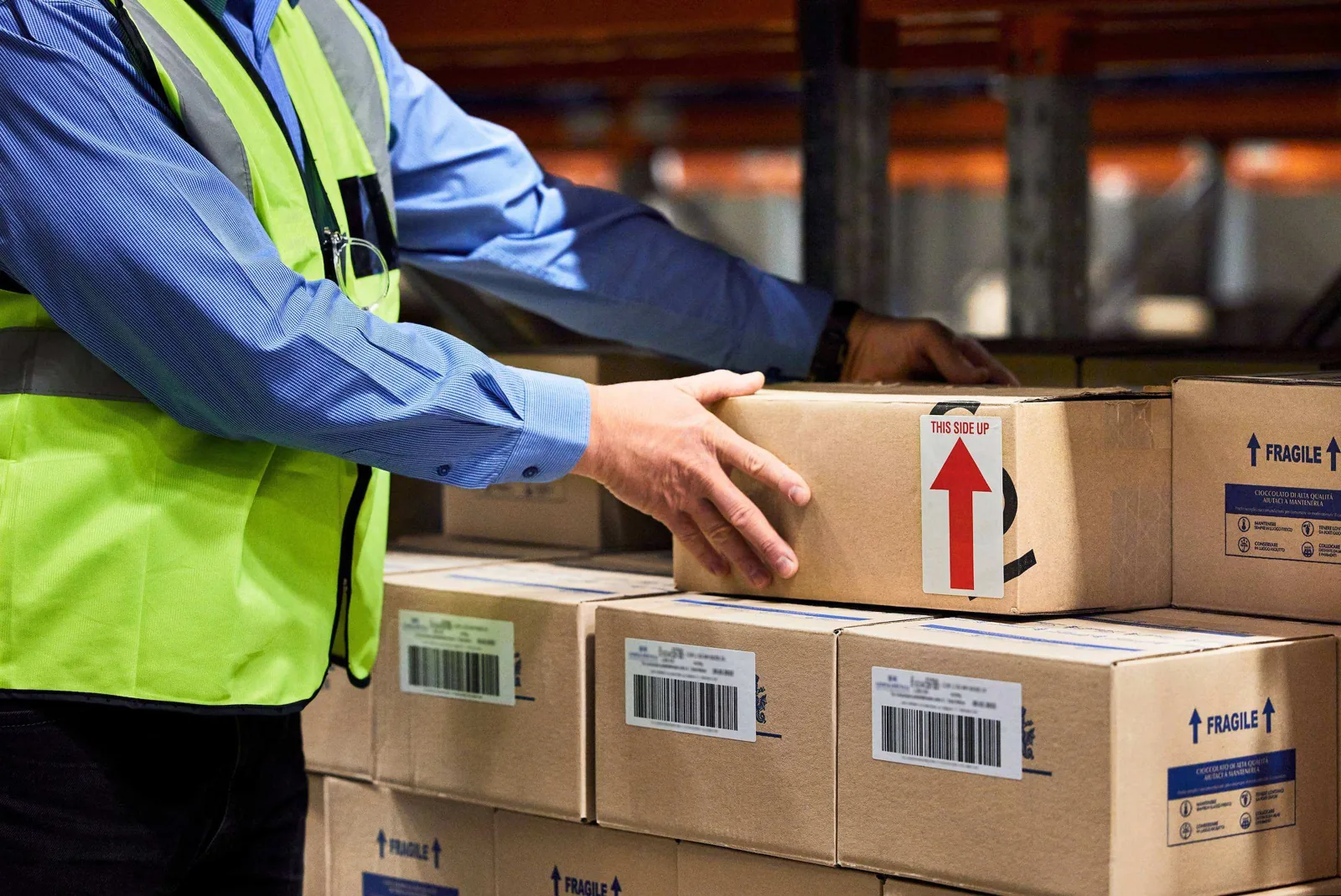
Knowing how to manage overseas manufacturing projects starts with comparing total landed cost, not just the factory quote. Include tooling, freight, tariffs and duties, insurance, management time, and the cost of correcting problems. Weigh those expenses against product quality, delivery risks, and...

The biggest risk in contract manufacturing in India is not simply finding a factory. It is starting production before product specifications, responsibilities and intellectual property terms are clearly documented.Finding and contacting suitable manufacturers is an important first step, but the righ...
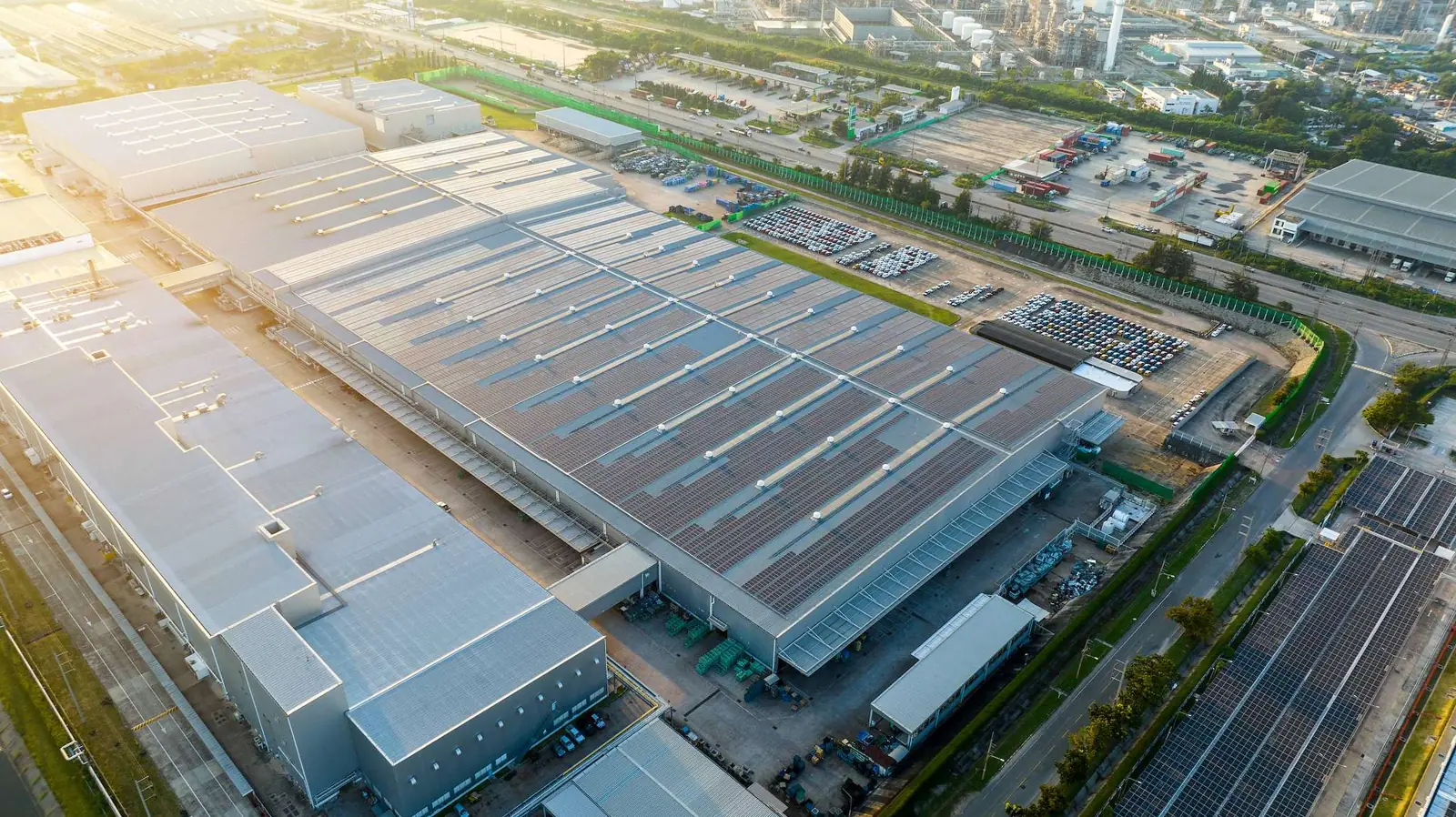
A manufacturer’s quotation can look right while the factory behind it lacks the capacity or quality controls your product needs. Knowing how to vet manufacturing suppliers in Asia means assessing production fit, business credentials, quality practices, and sample results before committing to an orde...